
Property Taxes and Stamp Duties in Singapore
Property taxes and stamp duties in Singapore form an essential part of the costs of buying, owning, and maintaining real estate. Whether you are a Singapore citizen, permanent resident (PR), or foreign investor, understanding these fees is crucial for making informed decisions and budgeting accurately. The property tax system in Singapore is transparent and well-regulated, with clear guidelines set by the Inland Revenue Authority of Singapore (IRAS). This page explains the different types of taxes, duties, and recurring costs that property owners should expect, along with how and when they are paid.
Quick Facts
- Property transactions in Singapore attract three main stamp duties: Buyer's Stamp Duty (BSD), Additional Buyer's Stamp Duty (ABSD), and Seller's Stamp Duty (SSD).
- Property tax is an annual tax payable by owners based on the property's annual value.
- Foreign buyers pay significantly higher ABSD rates than citizens and PRs.
- Maintenance and conservancy charges are additional ongoing costs for homeowners.
- Most payments are made annually, though some management fees are billed monthly.
- Stamp duties must be paid within 14 days of signing the sale and purchase agreement.
Stamp Duties When Buying or Selling Property
Stamp duties are taxes payable on documents related to the purchase, sale, or lease of property in Singapore. They are one-time charges, usually paid at the time of acquisition or disposal of a property.
1. Buyer's Stamp Duty (BSD)
Buyer's Stamp Duty (BSD) applies to all property purchases, whether residential or non-residential. It is calculated based on the purchase price or the market value of the property, whichever is higher. The BSD rates are progressive, meaning they increase as the property price rises.
As of 2025, the BSD rates for residential properties are as follows:
- 1% on the first S$180,000
- 2% on the next S$180,000
- 3% on the next S$640,000
- 4% on the next S$500,000
- 5% on the next S$1.5 million
- 6% on the amount exceeding S$3 million
For non-residential properties, the rates differ slightly, with a top marginal rate of 5%.
2. Additional Buyer's Stamp Duty (ABSD)
Additional Buyer's Stamp Duty (ABSD) is levied on top of BSD and is designed to regulate demand in the housing market. The ABSD rate depends on the buyer's citizenship and the number of properties owned at the time of purchase.
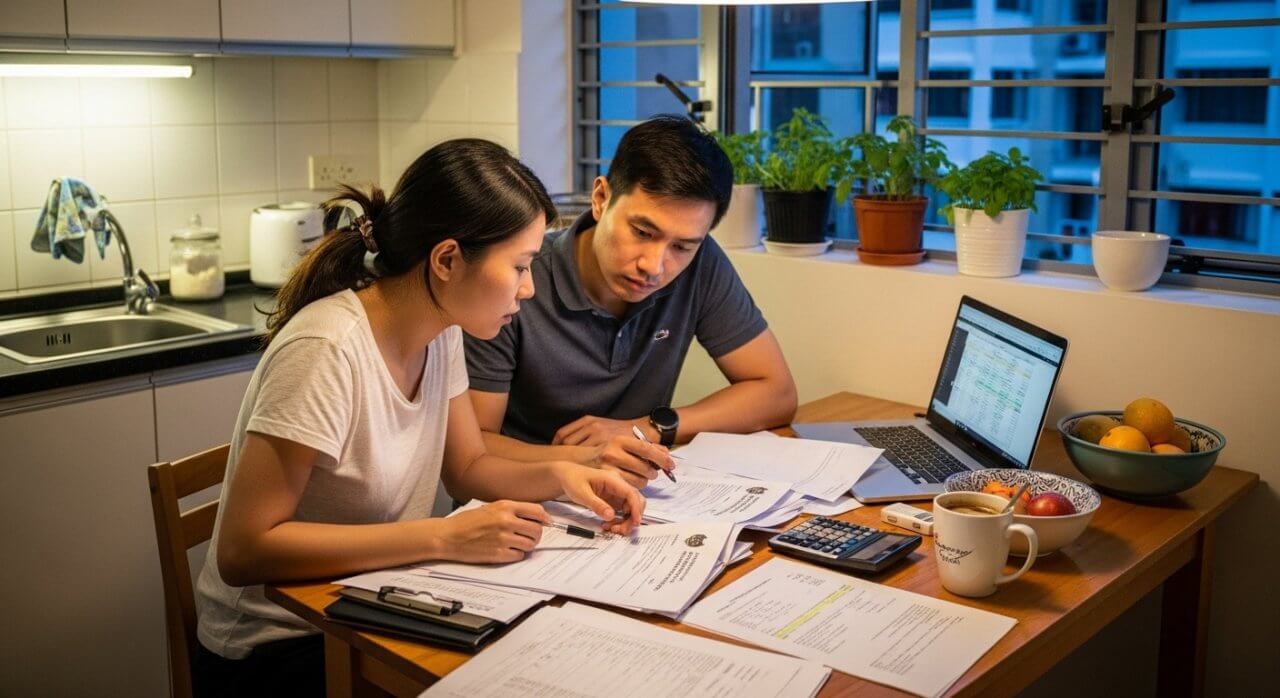 Property Taxes and Stamp Duty in Singapore (7 October 2025 AI Generated)
As of 2025, the ABSD rates for residential properties are:
- Singapore Citizens: 0% on the first property, 20% on the second, and 30% on the third and subsequent properties.
- Permanent Residents (PRs): 5% on the first property, 30% on the second, and 35% on subsequent properties.
- Foreigners: 60% on any residential property purchase.
- Entities (Companies, Trusts): 65% for housing purchases under company ownership or trust structures.
Foreign investors should pay particular attention to the ABSD as it significantly increases acquisition costs. For example, a foreigner purchasing a S$2 million condominium would pay S$1.2 million in ABSD alone, in addition to BSD.
3. Seller's Stamp Duty (SSD)
Seller's Stamp Duty (SSD) is imposed when a residential property is sold within a short period of purchase. It discourages speculative buying and selling. SSD applies to residential properties bought on or after 14 January 2011 and sold within three years.
The rates are:
- 12% if sold within 1 year
- 8% if sold within 2 years
- 4% if sold within 3 years
- 0% after 3 years
SSD is based on the selling price or market value, whichever is higher, and is payable by the seller.
Annual Property Tax
Property tax is a recurring annual tax levied on property owners, whether the property is occupied, rented out, or vacant. It is calculated based on the property's Annual Value (AV)—the estimated yearly rent the property could fetch if rented out, excluding furniture and maintenance charges. The AV is assessed by IRAS and reviewed periodically.
Owner-Occupied vs. Non-Owner-Occupied Rates
Property tax rates differ depending on whether the property is owner-occupied (used as the owner's residence) or non-owner-occupied (rented out or vacant).
Owner-Occupied Residential Properties (as of 2025)
- 0% on the first S$8,000 of annual value
- 4% on the next S$47,000
- 6% to 32% for higher annual value bands, up to 32% for properties with AV above S$100,000
Non-Owner-Occupied Residential Properties (as of 2025)
- 12% on the first S$30,000 of annual value
- 20% to 36% for higher bands, depending on AV
These rates mean that rental properties and investment homes are taxed more heavily than homes occupied by their owners, ensuring fairness in the property tax system.
When Property Tax Is Paid
Property tax is billed annually, typically in December for payment by 31 January of the following year. Property owners receive a notice from IRAS, which can be paid through online banking, GIRO instalments, or other approved channels. Owners who fail to pay on time may incur late payment penalties.
Recurring Fees and Maintenance Costs
Beyond taxes and stamp duties, property ownership in Singapore involves several recurring costs that owners should budget for:
- Maintenance Fees: For condominium or strata-titled developments, owners must pay monthly maintenance fees to the Management Corporation Strata Title (MCST). These cover common facilities, landscaping, cleaning, and security.
- Town Council Conservancy Charges: For HDB flat owners, monthly fees are payable to the Town Council for maintenance of common areas, lifts, and estate services.
- Fire Insurance: Mandatory for HDB homeowners with a mortgage from the Housing & Development Board. Private homeowners are also encouraged to maintain property insurance.
- Utilities and Service Charges: Regular costs for electricity, water, gas, and refuse collection, usually billed monthly.
Legal and Transaction Fees
In addition to government taxes, property buyers should expect the following professional fees:
- Legal Fees: Payable to conveyancing lawyers for preparing and registering property documents (typically 0.3%–0.6% of the property's value).
- Agent's Commission: Usually paid by the seller, but buyers may also engage their own agent and agree on fees. Standard commission rates are 1–2% for resale properties.
- Valuation Fees: Required if a bank loan is used; typically S$500–S$1,000 per valuation.
Property Tax Exemptions and Reliefs
In certain situations, property owners may qualify for tax reliefs or rebates. Examples include:
- Owner-Occupied Tax Rates: Automatically granted for properties used as the taxpayer's residence.
- Vacancy Rebate: For landlords whose properties are vacant for a substantial period due to renovations or difficulty finding tenants (subject to IRAS approval).
- Senior Citizen Property Tax Rebate: Occasionally granted under government support packages.
Example of Total Costs in a Property Purchase
To illustrate, let's assume a foreign buyer purchases a condominium in Singapore for S$2 million:
- Buyer's Stamp Duty (BSD): Approximately S$69,600
- Additional Buyer's Stamp Duty (ABSD): 60% × S$2,000,000 = S$1,200,000
- Legal Fees: Around S$8,000
- Annual Property Tax (non-owner-occupied): Around S$16,000–S$20,000 per year, depending on AV
- Monthly Maintenance Fees: S$300–S$1,000 (depending on condo facilities)
These figures show how taxes and recurring costs can form a substantial portion of total property ownership expenses, especially for foreign investors.
When to Pay the Various Taxes
- BSD and ABSD: Within 14 days of signing the Sale & Purchase Agreement (or 30 days if signed overseas).
- SSD: Upon sale of the property, if applicable.
- Annual Property Tax: Billed yearly by IRAS, due by 31 January.
- Maintenance and Conservancy Charges: Paid monthly or quarterly, depending on the development.
Why Singapore's Tax System Attracts Investors
Despite high stamp duties for foreigners, Singapore's property tax regime remains attractive because of its clarity, predictability, and fairness. There are no capital gains taxes on property sales (unless you are deemed a property trader), and inheritance taxes have been abolished. Combined with a transparent legal system, strong governance, and stable returns, Singapore remains a preferred destination for real estate investment in Asia.
Conclusion
Property taxes and stamp duties in Singapore are important financial considerations for anyone looking to buy or own property in the city-state. From BSD and ABSD to annual property tax and maintenance fees, understanding these obligations helps prevent unexpected costs and ensures compliance with Singapore's tax laws. Whether you are a local upgrading your home or a foreigner investing in Singapore real estate, careful planning and sound legal advice can make your property journey smooth and rewarding.
References
- Inland Revenue Authority of Singapore (IRAS)
- Singapore Land Authority (SLA)
- Monetary Authority of Singapore (MAS)
- Urban Redevelopment Authority (URA)
Page Details
This page was created on 7 October 2025. Hi, my name is Timothy and created it from my research, for my own entertainment, knowledge and to satisfy my curiosity. I am providing the information to you in good faith and hope it is useful. I try to get the details as accurate as possible. I also try to update the page whenever I stumble on new details. So this and all my other pages are perpetual work in progress. If you discover any error, please politely inform me, pointing out where the error lies, and I will correct it as soon as possible. Your helpfulness will keep this page accurate, relevant and helpful to those who need the information.Articles related to Residential Properties in Singapore
- Get a list of condominiums in Singapore
- Find out about Property Taxes and Stamp Duties in Singapore
- What is Buyer's Stamp Duty (BSD)
- What is Additional Buyer's Stamp Duty (ABSD)
- What is Seller's Stamp Duty (SSD)
- What is CCR, RCR and OCR
- What are HDB Flats
- What are Executive Condominiums
- What are Private Condominiums
- What are Landed Homes
- Understand Singapore's Ethnic Integration Policy
- Understanding Postal Districts and Postcodes
- What to expect from Real Estate Agents in Singapore
My videos of Singapore
Want to share your Singapore travel experiences or get tips from fellow travellers?
Join the Singapore Travel Tips Facebook GroupMore information for visiting and living in Singapore
Here are some related articles to help you get to know Singapore better.- Cost of Living in Different Singapore Neighbourhoods (2025 Guide)
- EZ-Link Card
- Owning a Car in Singapore
- Singapore MRT Map & Guide 2025
- Singapore Postal Districts and Postcodes
- Singapore Tourist Pass
- Taking the Bus in Singapore: A Visitor's Guide
- Understanding CCR, RCR and OCR in Singapore real estate
 Latest Pages & Updates
Buy Me A Coffee
If you enjoy the information I provide and want to support the work I do, please buy me a coffee! I appreciate it immensely, thank you so much!
