
Munich, Germany
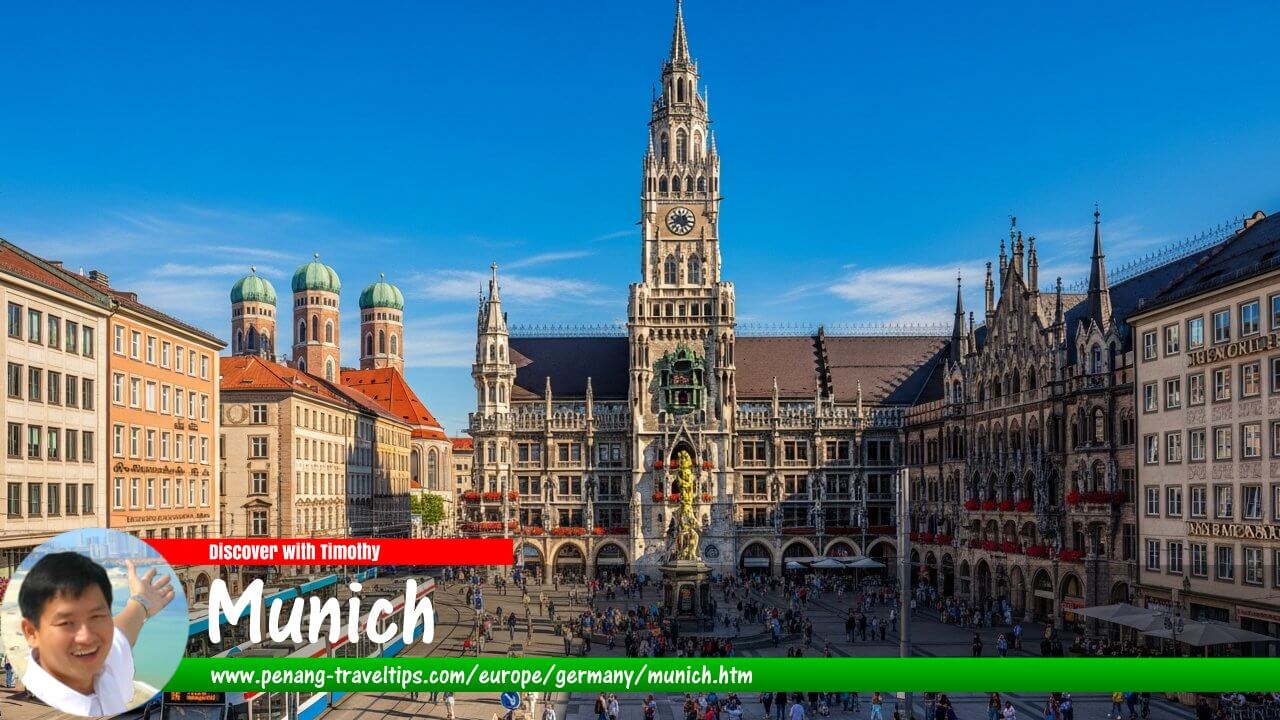 Munich, Germany (AI Generated on 21 January 2026)
Munich is the capital city of the German state of Bavaria and one of the country’s most important cultural, economic, and historic centres. Known in German as München, the city combines a rich medieval heritage with modern innovation, world-class museums, and a famously high standard of living. Munich is internationally recognised for its architecture, beer culture, public spaces, and role as a major European hub for business, education, and tourism.1
Quick Facts
Country: Germany
State: Bavaria (Bayern)
Population: Approximately 1.5 million
Official Language: German
Time Zone: Central European Time (CET)
River: Isar
Founded: 1158
City Centre: Marienplatz
Known for: Oktoberfest, beer halls, museums, high quality of life
Location of Munich
Munich is located in southern Germany, approximately 50 kilometres north of the Alps, and serves as the administrative and cultural capital of Bavaria. The city lies within the Alpine Foreland, a region characterised by gently rolling terrain that transitions toward mountainous landscapes further south. Its position places Munich close to the Austrian border, making it an important gateway between Germany and Central Europe.2
The city’s strategic location has historically supported trade, migration, and cultural exchange. Today, Munich is well connected to other major European cities by road, rail, and air, reinforcing its role as an international transport and economic hub.3
Geography and Natural Setting
Munich is situated along the River Isar, which flows from the Alps northward through the city before continuing toward the Danube. The river and its surrounding green corridors form an important natural feature of Munich’s urban landscape, providing recreational space and contributing to the city’s reputation for livability.4
The city’s topography is relatively flat, with gentle elevations that allow for distant views of the Alps on clear days. Munich benefits from numerous parks and open spaces, including large landscaped gardens and riverside meadows, which are integrated into residential and historic districts alike.5
History of Munich
Munich was officially founded in 1158, when Henry the Lion, Duke of Saxony and Bavaria, established a settlement near a bridge over the Isar. The city’s name derives from the Old High German term for monks, referencing a nearby monastic community that existed before the town’s formal establishment.6
During the Middle Ages, Munich grew steadily as a market town and ducal residence. It became the capital of Bavaria in the 13th century and later flourished under the rule of the Wittelsbach dynasty, which shaped much of the city’s architectural and cultural identity.7
The city experienced significant expansion in the 19th century, particularly under King Ludwig I, who promoted grand architectural projects and cultural institutions. Although Munich suffered damage during the Second World War, extensive post-war reconstruction preserved historic layouts while accommodating modern urban needs.8
The Heart of Munich
The historic and symbolic heart of Munich is Marienplatz, the central square that has served as the city’s main gathering place since the Middle Ages. From here, distances within the historic centre are traditionally measured, making it an effective “zero point” for understanding Munich’s spatial layout.9
Marienplatz has long functioned as the focal point for civic life, commerce, and celebration. Streets radiate outward from this square into the old town and beyond, forming the basis for exploring Munich street by street, from its medieval core to its outer districts.10
Map of Streets in Munich, Germany
Streets and Urban Structure of Munich
Munich’s street network reflects centuries of historical development, beginning with narrow medieval lanes in the old town and expanding into broader avenues and residential streets as the city grew. The historic centre is largely enclosed by the route of former city walls, beyond which later districts developed in planned stages.11
- Burgstraße
- Dienerstraße
- Fürstenfelder Straße
- Hofgraben
- Karlsplatz
- Lenbachplatz
- Löwengrube
- Maxburgstraße
- Rindermarkt
- Rosenstraße
- Weinstraße
Major Sights and Landmarks
Munich is home to a wide range of historic and cultural attractions, including grand squares, royal palaces, churches, and museums. Many of the city’s most notable sights are concentrated within or near the old town, making them easily accessible on foot.13
Beyond the historic centre, Munich offers expansive parks, modern cultural institutions, and sports venues. The balance between preserved heritage and contemporary architecture contributes to the city’s distinctive character.14
List of Sights in Munich

Food and Drink in Munich
Munich is internationally renowned for its traditional Bavarian cuisine and beer culture. Local dishes often feature meat, bread, and hearty accompaniments, reflecting regional agricultural traditions and historical influences.15
The city’s beer halls and breweries play a central role in social life, while cafés and international restaurants reflect Munich’s cosmopolitan population. Seasonal foods and beverages are closely tied to festivals and local customs.16
Festivals and Cultural Events
Munich hosts numerous festivals throughout the year, the most famous of which is Oktoberfest, the world’s largest beer festival. This event attracts millions of visitors annually and has become a global symbol of Bavarian culture.17
In addition to Oktoberfest, the city celebrates traditional seasonal festivals, Christmas markets, and cultural events that highlight music, film, and the arts. These gatherings reinforce Munich’s strong sense of local identity.18
Real Estate and Cost of Living
Munich consistently ranks among the most expensive cities in Germany in terms of real estate and cost of living. High demand for housing, strong economic performance, and limited space have contributed to rising property prices and rents.19
Despite higher costs, Munich remains attractive due to its economic opportunities, safety, infrastructure, and quality of life. These factors continue to drive population growth and investment.20
Public Transport in Munich
Munich has an extensive and highly efficient public transport system that includes suburban trains, underground lines, trams, and buses. The network connects the city centre with outlying districts and surrounding regions, making private car use largely unnecessary for daily life.21
The system is known for its reliability, integration, and ease of use, supporting Munich’s reputation as one of Europe’s most accessible and well-planned cities.22
Further Reading
Fun Facts About Munich
Munich has more beer gardens than any other city in the world, many of which are located within public parks. These spaces are traditionally open to all and encourage a relaxed, communal atmosphere unique to the city.23
On clear days, the Alps can be seen from certain elevated points within Munich, despite being several dozen kilometres away. This visual connection between city and mountains is a source of local pride.24
References
- Encyclopaedia Britannica – Munich
- Official City of Munich Website
- German Federal Statistical Office
- Bavaria Tourism Board
- German Museum Resources
Page Details
This page was created on 22 January 2026. Hi, my name is Timothy and created it from my research, for my own entertainment, knowledge and to satisfy my curiosity. I am providing the information to you in good faith and hope it is useful. I try to get the details as accurate as possible. I also try to update the page whenever I stumble on new details. So this and all my other pages are perpetual work in progress. If you discover any error, please politely inform me, pointing out where the error lies, and I will correct it as soon as possible. Your helpfulness will keep this page accurate, relevant and helpful to those who need the information. Latest Pages & Updates
Buy Me A Coffee
If you enjoy the information I provide and want to support the work I do, please buy me a coffee! I appreciate it immensely, thank you so much!
