
Drummond Gate, London
Drummond Gate, Pimlico – A Quiet Link in Central London
Drummond Gate is a small but notable street in the Pimlico area of the City of Westminster, Central London. It runs in an east-west direction, connecting Bessborough Street at its western end to Vauxhall Bridge Road at its eastern end. While modest in size, its location places it just a stone's throw from the River Thames and within walking distance of landmarks such as Millbank Tower and Tate Britain.
The street sits at the junction of several neighbourhoods: Pimlico, Millbank, and Victoria. It lies within Transport for London's Zone 1, making it centrally located for both residents and commuters.
Length and Layout
Drummond Gate measures approximately 150 metres (about 490 feet) in length. It has a single carriageway and includes pedestrian footpaths on either side. The short length of the road means that it serves primarily as a connector or access street, rather than a destination in its own right.
The street's traffic pattern is relatively quiet, used mostly by local residents, taxis, and occasional service vehicles accessing nearby buildings.
A Brief History
Drummond Gate was laid out during the urban expansion of the Pimlico and Millbank area in the early 20th century. Much of this neighbourhood's development occurred as a result of slum clearance and the construction of public housing in the interwar and post-war periods.
Originally serving as a service road for nearby housing blocks and government buildings, the street became more significant in the post-war era when office buildings and mid-century housing developments sprang up in the vicinity. The street remains an interesting example of mid-century planning in Westminster.
Origin of the Name
Drummond Gate is believed to be named after the Drummond family, a lineage of Scottish nobility and military officers with historical ties to the United Kingdom. Though the exact date of the naming is uncertain, it likely dates to the early 20th century, around the same time as the construction of surrounding estates.
The “Gate” suffix reflects a common naming convention in London that suggests either a former entrance or junction — in this case, possibly referencing a now-demolished boundary or gate between estates in the area.
The Character of Drummond Gate
The character of Drummond Gate is subdued and utilitarian. The street is lined mostly with post-war housing blocks and government office buildings, with some newer private flats developed in recent years.
Unlike neighbouring streets in Pimlico that feature elegant white stucco terraces, Drummond Gate has a more institutional feel, though some modernisation has taken place. The area is clean, safe, and quiet, ideal for professionals seeking a central yet low-key residential environment.
Real Estate and Property Sizes
Property prices on Drummond Gate tend to be more affordable than Pimlico's historic garden squares but still carry a central London premium. As of May 2025:
- 1-bedroom flats average around £535,000
- 2-bedroom flats range from £700,000 to £850,000
- Rents start from £2,100/month for a 1-bedroom unit
Flat sizes typically range from 500 to 800 square feet (46 to 74 sq metres), reflecting the post-war apartment layouts that prioritised efficiency. A few modernised buildings on or near the street offer slightly larger or open-plan layouts.
Nearest Underground Stations
Drummond Gate is well served by several London Underground stations:
- Pimlico Station (5-minute walk): Victoria Line
- Victoria Station (10-minute walk): Victoria, District, and Circle Lines, as well as National Rail and coach services
This high level of connectivity makes the street very attractive for city workers and commuters alike.
Nearby Bus Stops
Drummond Gate benefits from proximity to several major bus routes that run along Bessborough Street and Vauxhall Bridge Road. Key bus stops are located:
- At the junction of Bessborough Street and Drummond Gate
- Along Vauxhall Bridge Road near Tate Britain
These stops serve routes including the 24, 360, 2, 36, and 185, providing easy access to Westminster, Trafalgar Square, and south of the river toward Vauxhall and Brixton.
Fun Fact
Despite its modest appearance, Drummond Gate was once the location of a Secret Intelligence Service satellite office during the Cold War, owing to its proximity to the MI6 building across the river in Vauxhall. While little of this history is visible today, it adds an air of intrigue to the street's otherwise plain character.
Additionally, the street hosted the headquarters of the Central Office of Information until the department was dissolved in the 2010s. The building has since been redeveloped.
Quick Facts
- Location: Pimlico, City of Westminster
- Length: Approx. 150 metres (490 feet)
- Connects: Bessborough Street and Vauxhall Bridge Road
- First developed: Early 20th century
- Name origin: Likely named after the Drummond family
- Street character: Quiet, residential, mid-century architecture
- Property prices (May 2025): Flats from £535,000; 1-bed ~500 sq ft (46 sq m)
- Nearest Tube stations: Pimlico (Victoria Line), Victoria (multiple lines)
- Nearby bus routes: 2, 24, 36, 185, 360
- Fun fact: Former Cold War-era government office site
Map of Drummond Gate, London
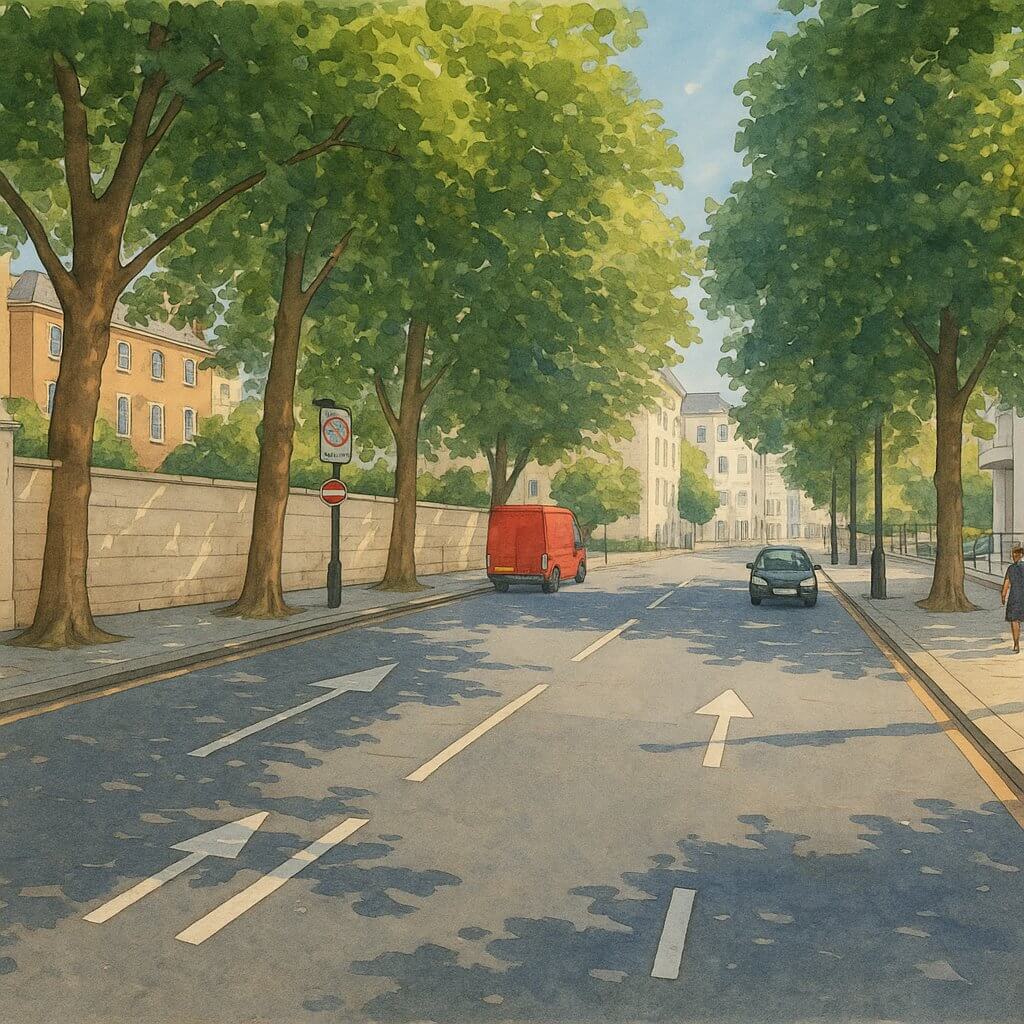
Square painting of Drummond Gate, London (View image in full size)

Page Details
This page was created on 10 May 2025. Hi, my name is Timothy and created it from my research, for my own entertainment, knowledge and to satisfy my curiosity. I am providing the information to you in good faith and hope it is useful. I try to get the details as accurate as possible. I also try to update the page whenever I stumble on new details. So this and all my other pages are perpetual work in progress. If you discover any error, please politely inform me, pointing out where the error lies, and I will correct it as soon as possible. Your helpfulness will keep this page accurate, relevant and helpful to those who need the information.Moving to London?
New to London and need a place to live? Read our Renting A Flat Guide. This guide covers everything you need to know about renting a flat in London, from viewing to signing.Streets of London
Come, let's explore and discover the streets of London together! Listed here afre the Streets of London that I have documented. Dive in and discover!Map of Streets in London
View all the streets that I have documented on Google Maps in this Map of Streets in London.Want to share your London travel experiences or get tips from fellow travellers?
Join the London Travel Tips Facebook GroupMore information for visiting London
Here are some related articles to help you get to know London better.- Cost of Living in London: Discover the true cost of living in London, including housing, transport, groceries, and more - plus tips for budgeting in one of the world's most expensive cities.
- Driving in London: Planning to drive in London? Learn about roads, car rentals, parking, tolls, and key tips for tourists and visitors from outside the capital.
- Driving Tips for Visiting London: Thinking of driving to London? Discover the best times to travel, congestion tips, parking apps, breakdown help, and petrol advice for a smoother journey.
- Evolution of London's Streets: Discover the fascinating history of how London's streets developed from ancient footpaths to today's complex network of roads across the capital.
- History of Immigration to London: Discover the rich history of immigration to London, from Huguenots to Bangladeshis, and how diverse communities have shaped the city's vibrant identity.
- How Big Is London Compared to Other World Cities?
- How London's Streets Measure Up: A Global Comparison of Road Widths
- How Streets of London are Named: Discover how London streets get their names, who decides them, and how historic, political, and public influences shape street naming in the capital.
- How the Grosvenor Family Came to Own Much of Mayfair, Belgravia and Pimlico: Explore how the Grosvenor family came to own much of Mayfair, Belgravia, and Pimlico, and learn about their historical connection (or lack thereof) with the British royal family and government.
- Living and working in London
- London's Quiet Collapse: How Living Standards Fell as Costs Skyrockted (1975-2025): Explore how London residents endured rising costs and falling living standards from 1975 to 2025 - from rocketing rents to wage stagnation and inflation.
- Marvel of the London Underground: Discover the history, challenges, and triumphs of the London Underground - the world's first underground railway and a vital transport lifeline for the UK capital since 1863.
- Moving to London: Expat Tips for Settling in Westminster: Essential advice for expats moving to London's Westminster: neighborhood insights, cost of living, transportation, housing, healthcare, schools, and tips to help you feel at home in the heart of the city.
- Places in London that aren't pronounced the way they're spelled
- Shopping in London: Discover London's diverse shopping scene
- Taking the bus in London: This is your complete guide to taking the bus when in London.
- The Anglican Faith: A Visitor's Guide to the Church of England: Learn about the Anglican faith and its deep ties to London's landmarks like Westminster Abbey and St Paul's Cathedral.
- Top 10 London Streets Every Visitor Must See: Discover London through its most iconic thoroughfares - 10 streets every visitor must experience. From historic Abbey Road to vibrant Camden High Street, explore culture, shopping, and hidden gems.
- Why are most roads in Central London so narrow? Learn why there are so few multi-lane roads and elevated highways in the heart of the city.
 Latest Pages & Updates
Buy Me A Coffee
If you enjoy the information I provide and want to support the work I do, please buy me a coffee! I appreciate it immensely, thank you so much!
