
Fort Canning, Singapore
Fort Canning (GPS: 1.29499, 103.84601) is a historic subzone located within the Museum Planning Area in Singapore. Covering 0.3887 sq km, it has a small population of 210 as of 2024, reflecting its primarily park, heritage, and institutional character1. Fort Canning is renowned for its iconic hill, colonial history, and cultural sites.
Fort Canning is the name of the fortification on Government Hill, a small hill in the southeast portion of Singapore, within the Central Area that forms Singapore's Central Business District. However, the term "Fort Canning" is commonly used to refer to Government Hill itself. Although small in size, Fort Canning has a long association with the history of Singapore, due to its elevation over the city's civic district.
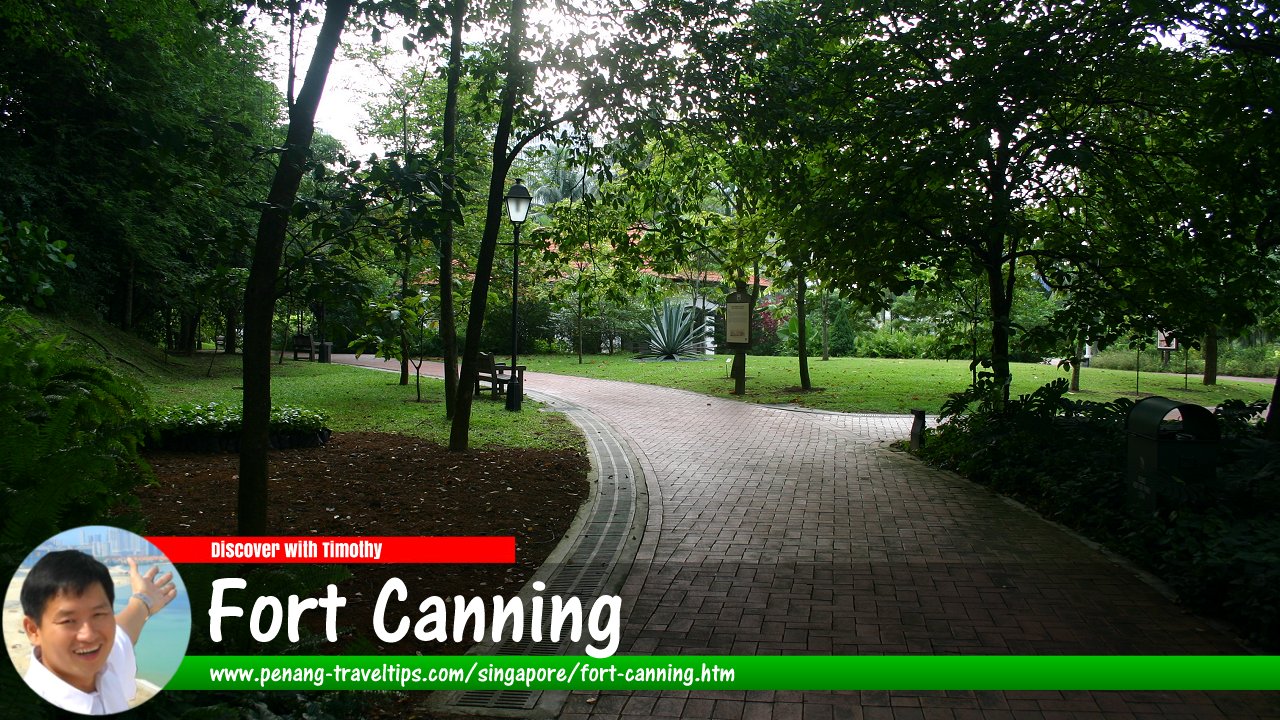 Fort Canning, Singapore (9 July 2006)
Etymology
The name Fort Canning (卡宁堡, Kǎ níng bǎo in pinyin) derives from Viscount Charles John Canning, the first Viceroy of India during the British colonial period. The area historically hosted a military fort atop the hill and played an important role in Singapore’s colonial administration and defence.
History
Fort Canning Hill has been a significant site since the early 14th century, believed to be the location of the ancient palace of Singapore’s Malay rulers. During the colonial era, it became a military headquarters and fortified position. Remnants of colonial buildings and the fort can still be seen today. Over time, Fort Canning was transformed into a public park and cultural hub.
At the time when Stamford Raffles arrived in Singapore, Fort Canning Hill was called Bukit Larangan, meaning "Forbidden Hill" in Malay. Raffles was told that the local settlers were afraid of climbing the hill because they believed it was a holy site where the palace of their ancestral kings were located. At the southern slope of the hill is Keramat Iskandar Shah, venerated by the locals as the grave of the last Malay king of the island.
Archaeological excavation of Fort Canning Hill indeed revealed ruins of ancient brick buildings validating the folklore. Little was known about these ruins, however, or the connection to the hill's ancient history. Relics uncovered suggested the existence of a settlement at the hill, and possibly Singapore's pre-colonial involvement as a regional trading hub. It was probably overcome by invading foreign forces around the 14th century.
Previously, Fort Canning Hill was called Government Hill, but was renamed Fort Canning after Lord Charles John Canning, the Governor General of India. Fort Canning was part of the fortification of 19th century Singapore which included Fort Fullerton, Fort Palmer, Fort Teregah and Fort Faber. The construction of Fort Canning required that the top of the hill be levelled, to create a 3-hectare area.
A lighthouse was built at Fort Canning in 1903. It replaces the Fullerton Lighthouse and was used from 1903 to 1958. Most of the fort was demolished in 1926 when Fort Canning Reservoir was built.
Today Fort Canning Park overlooks Orchard Road and offers a variety of recreational activities as well as historical, educational, entertainment and cultural experiences. The park also serves as a green lung for Singapore's downtown area.
Geography and Boundaries
Fort Canning occupies a central location in Singapore. It is bordered by Dhoby Ghaut to the north, Bras Basah to the northeast, City Hall Subzone to the southeast, Clarke Quay and Robertson Quay to the southwest, Institution Hill to the west, and Oxley to the northwest. Its hilly topography distinguishes it from the surrounding urban landscape.
Population and Demographics
The subzone has a very small resident population of 210 people (2024 estimate), with a low population density of 540.2 per sq km. Population growth between 2020 and 2024 was modest at 2.5%1. Most residents live in low-rise heritage or private housing close to the park.
Land Use and Character
Fort Canning is primarily a recreational, heritage, and institutional area. Its land use is dominated by Fort Canning Park, historic buildings, arts venues, and cultural institutions. The area is characterized by green open spaces, colonial-era architecture, and educational and arts facilities.
Transport and Connectivity
Fort Canning is well-served by nearby MRT stations including Dhoby Ghaut MRT Station and City Hall MRT Station. Major roads such as Hill Street, Canning Rise, and Stamford Road provide road access. Pedestrian pathways connect the park to surrounding commercial and cultural hubs.
Community and Amenities
The subzone offers limited residential amenities but has extensive cultural and recreational facilities, including Fort Canning Park, Fort Canning Green, the Fort Canning Centre, and various event venues. Cafes and small restaurants cater to visitors and tourists.
Neighbourhood Identity
Fort Canning is strongly identified with heritage, culture, and greenery. It is an oasis of history and nature in central Singapore, frequently used for concerts, festivals, and public events, giving it a unique urban identity.
Interesting Sights
- Fort Canning Hill – historic hill with colonial and military remnants
- Battle Box – former WWII underground command centre
- Fort Gate – 19th-century entrance to Fort Canning
- Raffles House – colonial mansion and heritage site
- Fort Canning Green – open-air event space for concerts and festivals
Real Estate Information
Fort Canning has minimal residential developments. Housing includes private condos and heritage houses near the park. Average condo unit sizes range from 700–1,500 sq ft, with prices from SGD 2M–5M. Rental rates are approximately SGD 4,000–8,000 per month, reflecting its central and historic location.
Fun Fact
Fort Canning Hill is historically known as “Bukit Larangan” or the Forbidden Hill in Malay, believed to be the ancient seat of Malay rulers, and it is said to be haunted according to local folklore.
Map of Fort Canning, Singapore
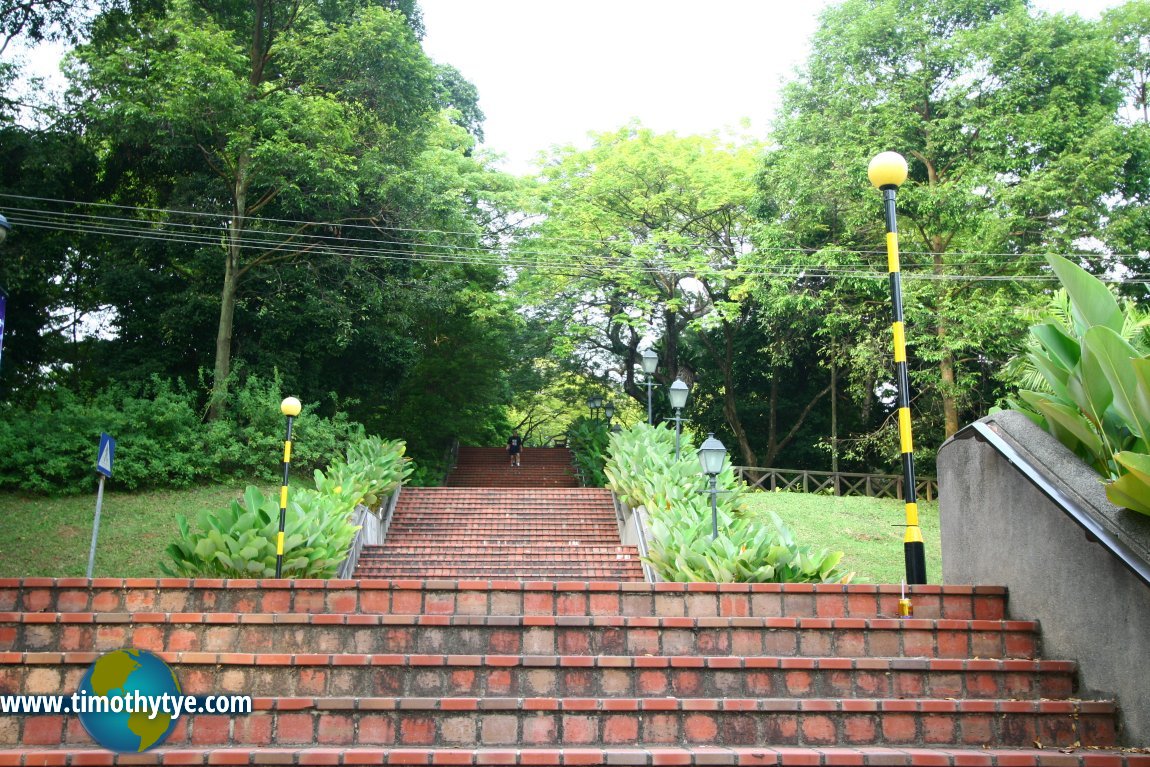 Steps leading up to Fort Canning (GPS: 1.29728, 103.84639)
  (9 July 2006)
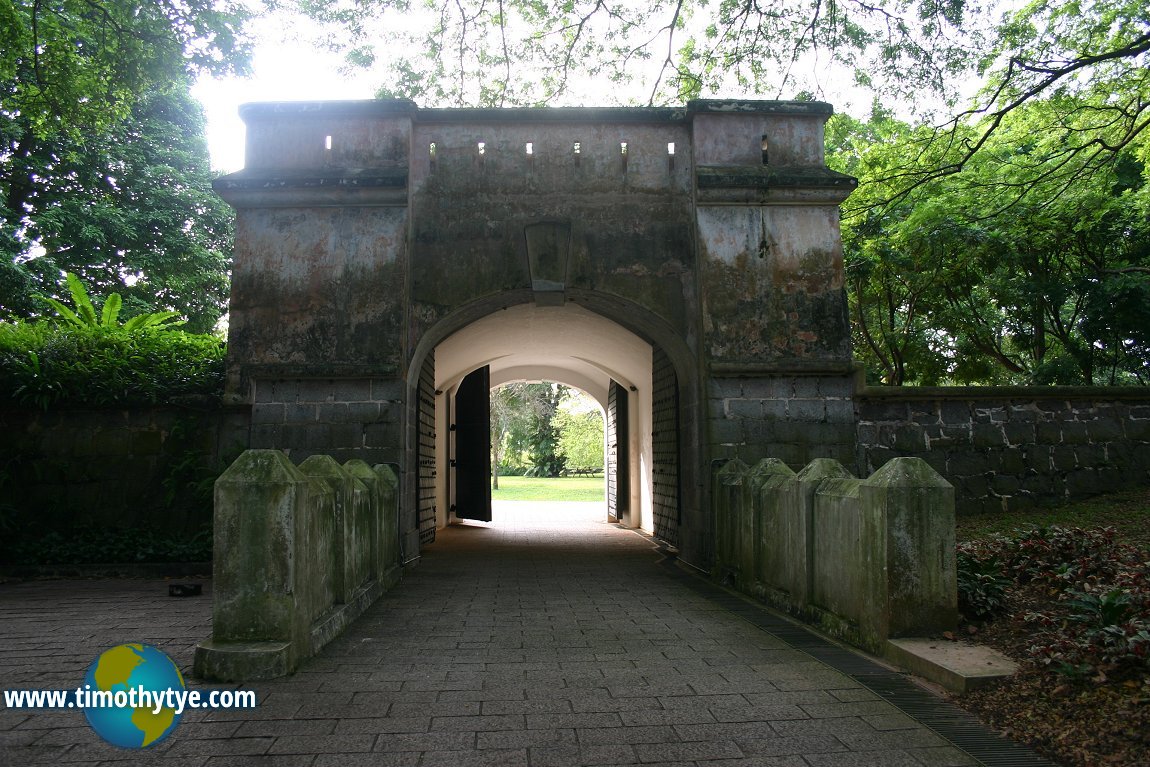 Gate of Fort Canning GPS: 1.29503, 103.84583
  (9 July 2006)
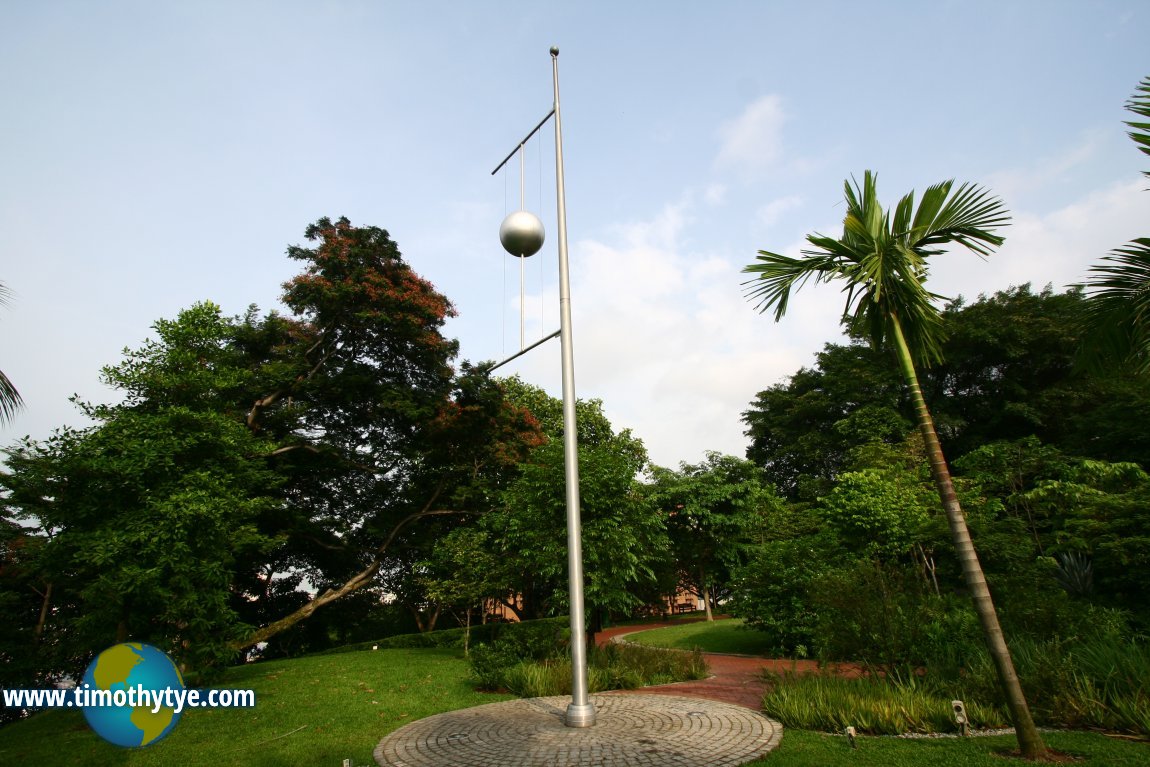 Fort Canning Time Ball (GPS: 1.29168, 103.84724)
  (9 July 2006)
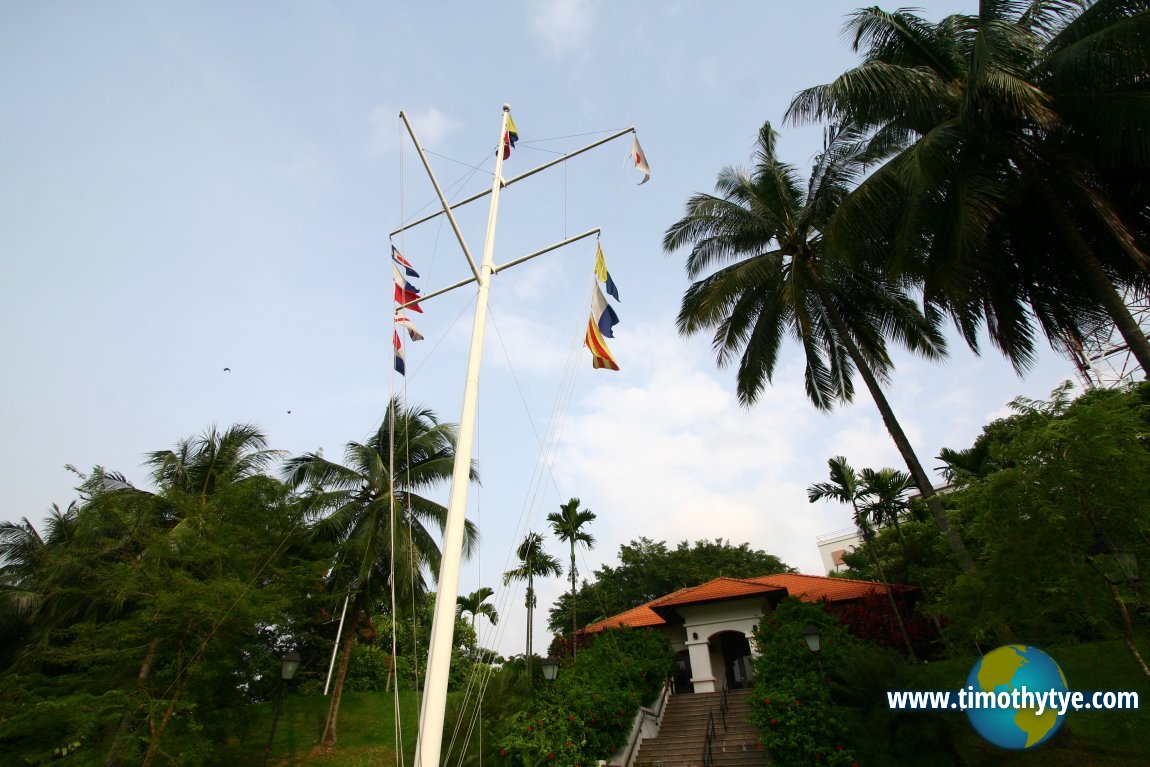 Fort Canning Flagstaff (GPS: 1.29178, 103.84764)
  (9 July 2006)
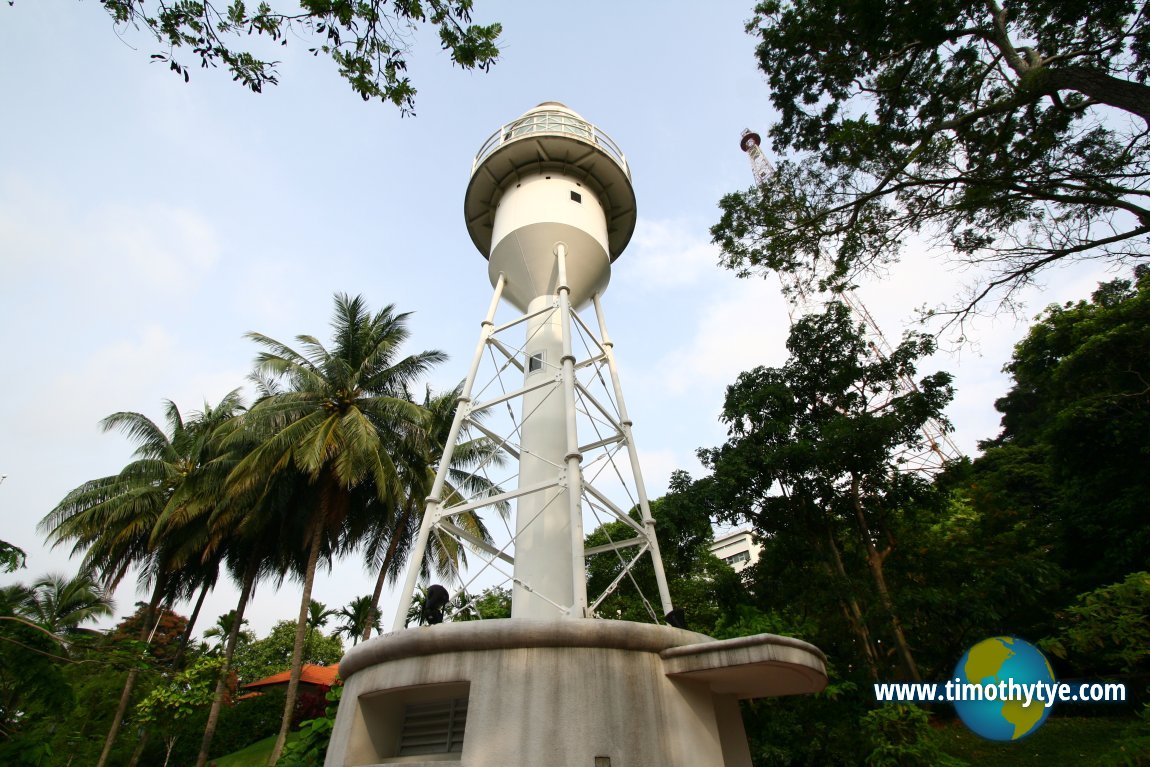 Fort Canning Lighthouse (GPS: 1.29214, 103.8478)
  (9 July 2006)
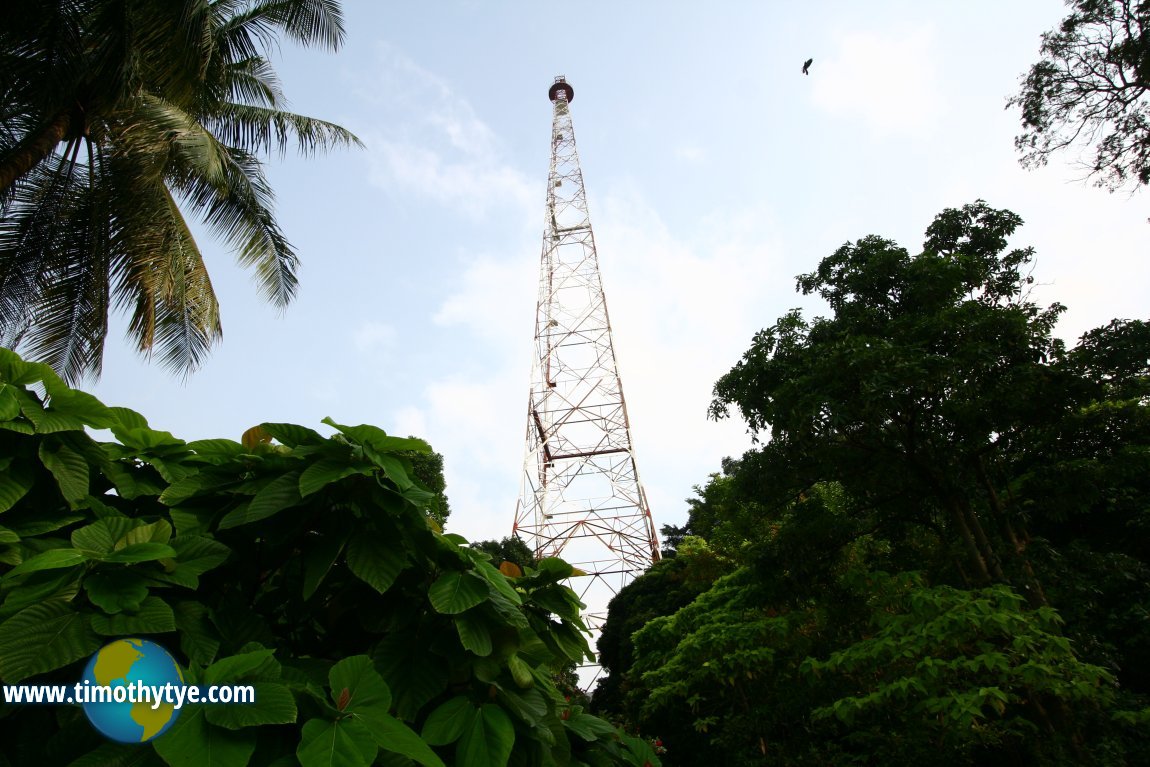 Fort Canning Microwave Station (GPS: 1.29214, 103.8478)
  (9 July 2006)
Quick Facts
- Location: Museum Planning Area, Singapore
- Area: 0.3887 sq km
- Population: 210 (2024 estimate)
- Population Density: 540.2 per sq km
- Population Growth 2020–2024: 2.5%
- Neighbouring Subzones: Dhoby Ghaut, Bras Basah, City Hall, Clarke Quay, Robertson Quay, Institution Hill, Oxley
- Known For: Fort Canning Hill, heritage sites, cultural and recreational spaces
- Main Transport: Nearby Dhoby Ghaut and City Hall MRT Stations, bus services, major roads
- Housing: Private condos, heritage houses, minimal HDB flats
References
- City Population – Singapore Administrative Subzones
- National Parks Board – Fort Canning Park
- National Heritage Board – Arts and Culture
- Urban Redevelopment Authority – Master Plan
Page Details
This page was created on 15 September 2025. Hi, my name is Timothy and created it from my research, for my own entertainment, knowledge and to satisfy my curiosity. I am providing the information to you in good faith and hope it is useful. I try to get the details as accurate as possible. I also try to update the page whenever I stumble on new details. So this and all my other pages are perpetual work in progress. If you discover any error, please politely inform me, pointing out where the error lies, and I will correct it as soon as possible. Your helpfulness will keep this page accurate, relevant and helpful to those who need the information.Subzones of Singapore
My videos of Singapore
Want to share your Singapore travel experiences or get tips from fellow travellers?
Join the Singapore Travel Tips Facebook GroupMore information for visiting and living in Singapore
Here are some related articles to help you get to know Singapore better.- Cost of Living in Different Singapore Neighbourhoods (2025 Guide)
- EZ-Link Card
- Owning a Car in Singapore
- Singapore MRT Map & Guide 2025
- Singapore Postal Districts and Postcodes
- Singapore Tourist Pass
- Taking the Bus in Singapore: A Visitor's Guide
- Understanding CCR, RCR and OCR in Singapore real estate
 Latest Pages & Updates
Buy Me A Coffee
If you enjoy the information I provide and want to support the work I do, please buy me a coffee! I appreciate it immensely, thank you so much!
