
Grosvenor Square, Mayfair
A prestigious garden square with American ties and aristocratic roots
Where is Grosvenor Square?
Grosvenor Square is located in the heart of Mayfair, one of London's most affluent neighbourhoods in the City of Westminster. It lies between Oxford Street to the north and Piccadilly to the south, roughly midway between Hyde Park and Soho.
The square sits just west of Bond Street and north of Mount Street, and is part of the historic Grosvenor Estate.
How big is Grosvenor Square?
Grosvenor Square itself is one of the largest garden squares in central London, measuring approximately 2.5 hectares (6.5 acres) in area. The streets that run around the square form a perimeter, rather than a through street, and are not particularly long – the focus is really on the square rather than a defined "Grosvenor Square Street."
History of Grosvenor Square
The square was laid out in the early 18th century as part of the Grosvenor family's development of the Mayfair estate. It was first planned in the 1720s and largely completed by the 1730s, becoming a fashionable address for the British aristocracy.
The square featured grand townhouses surrounding a private garden, in the typical Georgian model of urban planning. Over the centuries, some of the original buildings were replaced or remodelled, but the square retained its prestige and charm.
How it got its name – and how to say it
Grosvenor Square takes its name from the Grosvenor family, who have owned much of Mayfair since the 17th century. The name was given around the time the square was first developed in the 1720s.
Despite the spelling, "Grosvenor" is commonly pronounced “GROV-ner” /ˈɡrəʊv.nə/. The second syllable (“venor”) is silent.
Connecting roads
The square is connected to several surrounding streets, including:
- Brook Street
- Carlos Place
- Grosvenor Street
- North Audley Street
- South Audley Street
- Upper Brook Street
These roads provide access in all directions and connect Grosvenor Square to the rest of Mayfair's elegant grid of streets.
Notable buildings and landmarks
Grosvenor Square is well known for its historical associations with the United States. It was home to the American Embassy from 1938 until 2017. The embassy building, designed in the 1960s by Eero Saarinen, was a landmark of post-war architecture.
Although the U.S. Embassy has now moved to Nine Elms, the building remains an iconic part of the square and is being redeveloped into a luxury hotel.
Other notable sites include:
- The Eisenhower statue, commemorating the U.S. general and president
- The Franklin D. Roosevelt Memorial
- The September 11 Memorial Garden
Nearest London Underground stations
Grosvenor Square is well-served by public transport. The closest Underground stations are:
- Bond Street (Central and Jubilee lines) – about a 5-minute walk
- Marble Arch (Central line) – around a 7-minute walk
- Oxford Circus (Central, Victoria, and Bakerloo lines) – roughly 10 minutes away on foot
Fun fact: "Little America" in London
During World War II, Grosvenor Square became known as “Little America” due to the concentration of American institutions and personnel in the area. General Dwight D. Eisenhower had his headquarters there, and thousands of U.S. military personnel passed through the square during the war effort.
Today, the American legacy is still visible through memorials and statues that honour the U.S.–UK alliance.
Who Were the Grosvenors, and How Did They Acquire This Land?
If you're wondering why so many streets and squares in this area bear names like Grosvenor, Belgrave, Eaton, or Wilton, it's because much of this land once belonged to the powerful Grosvenor family. To find out how they came to own vast swathes of Mayfair, Belgravia, and Pimlico — and whether they had any ties to the government or the royal family — read our in-depth article here.
Map of Grosvenor Square, London
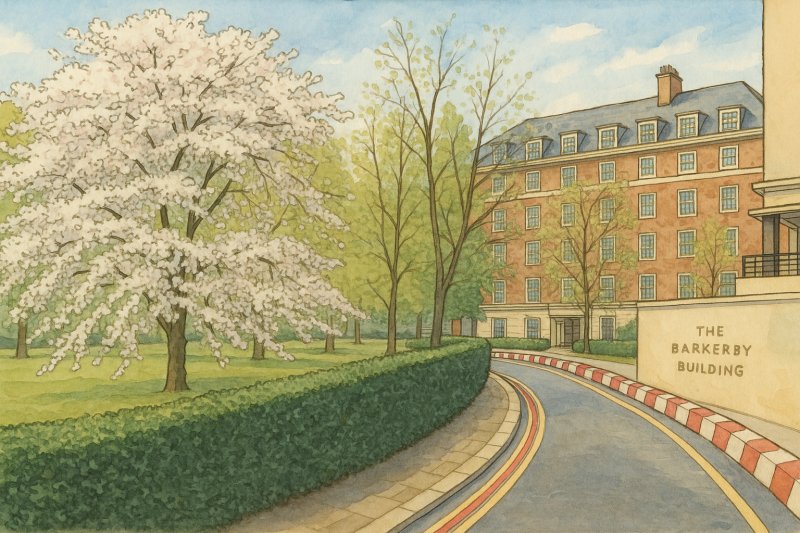
Painting of Grosvenor Square (View full-size image here)
Moving to London?
New to London and need a place to live? Read our Renting A Flat Guide. This guide covers everything you need to know about renting a flat in London, from viewing to signing.Streets of London
Come, let's explore and discover the streets of London together! Listed here afre the Streets of London that I have documented. Dive in and discover!Map of Streets in London
View all the streets that I have documented on Google Maps in this Map of Streets in London.Want to share your London travel experiences or get tips from fellow travellers?
Join the London Travel Tips Facebook GroupMore information for visiting London
Here are some related articles to help you get to know London better.- Cost of Living in London: Discover the true cost of living in London, including housing, transport, groceries, and more - plus tips for budgeting in one of the world's most expensive cities.
- Driving in London: Planning to drive in London? Learn about roads, car rentals, parking, tolls, and key tips for tourists and visitors from outside the capital.
- Driving Tips for Visiting London: Thinking of driving to London? Discover the best times to travel, congestion tips, parking apps, breakdown help, and petrol advice for a smoother journey.
- Evolution of London's Streets: Discover the fascinating history of how London's streets developed from ancient footpaths to today's complex network of roads across the capital.
- History of Immigration to London: Discover the rich history of immigration to London, from Huguenots to Bangladeshis, and how diverse communities have shaped the city's vibrant identity.
- How Big Is London Compared to Other World Cities?
- How London's Streets Measure Up: A Global Comparison of Road Widths
- How Streets of London are Named: Discover how London streets get their names, who decides them, and how historic, political, and public influences shape street naming in the capital.
- How the Grosvenor Family Came to Own Much of Mayfair, Belgravia and Pimlico: Explore how the Grosvenor family came to own much of Mayfair, Belgravia, and Pimlico, and learn about their historical connection (or lack thereof) with the British royal family and government.
- Living and working in London
- London's Quiet Collapse: How Living Standards Fell as Costs Skyrockted (1975-2025): Explore how London residents endured rising costs and falling living standards from 1975 to 2025 - from rocketing rents to wage stagnation and inflation.
- Marvel of the London Underground: Discover the history, challenges, and triumphs of the London Underground - the world's first underground railway and a vital transport lifeline for the UK capital since 1863.
- Moving to London: Expat Tips for Settling in Westminster: Essential advice for expats moving to London's Westminster: neighborhood insights, cost of living, transportation, housing, healthcare, schools, and tips to help you feel at home in the heart of the city.
- Places in London that aren't pronounced the way they're spelled
- Shopping in London: Discover London's diverse shopping scene
- Taking the bus in London: This is your complete guide to taking the bus when in London.
- The Anglican Faith: A Visitor's Guide to the Church of England: Learn about the Anglican faith and its deep ties to London's landmarks like Westminster Abbey and St Paul's Cathedral.
- Top 10 London Streets Every Visitor Must See: Discover London through its most iconic thoroughfares - 10 streets every visitor must experience. From historic Abbey Road to vibrant Camden High Street, explore culture, shopping, and hidden gems.
- Why are most roads in Central London so narrow? Learn why there are so few multi-lane roads and elevated highways in the heart of the city.
 Latest Pages & Updates
Buy Me A Coffee
If you enjoy the information I provide and want to support the work I do, please buy me a coffee! I appreciate it immensely, thank you so much!
