
Bukit Tambun Travel Guide
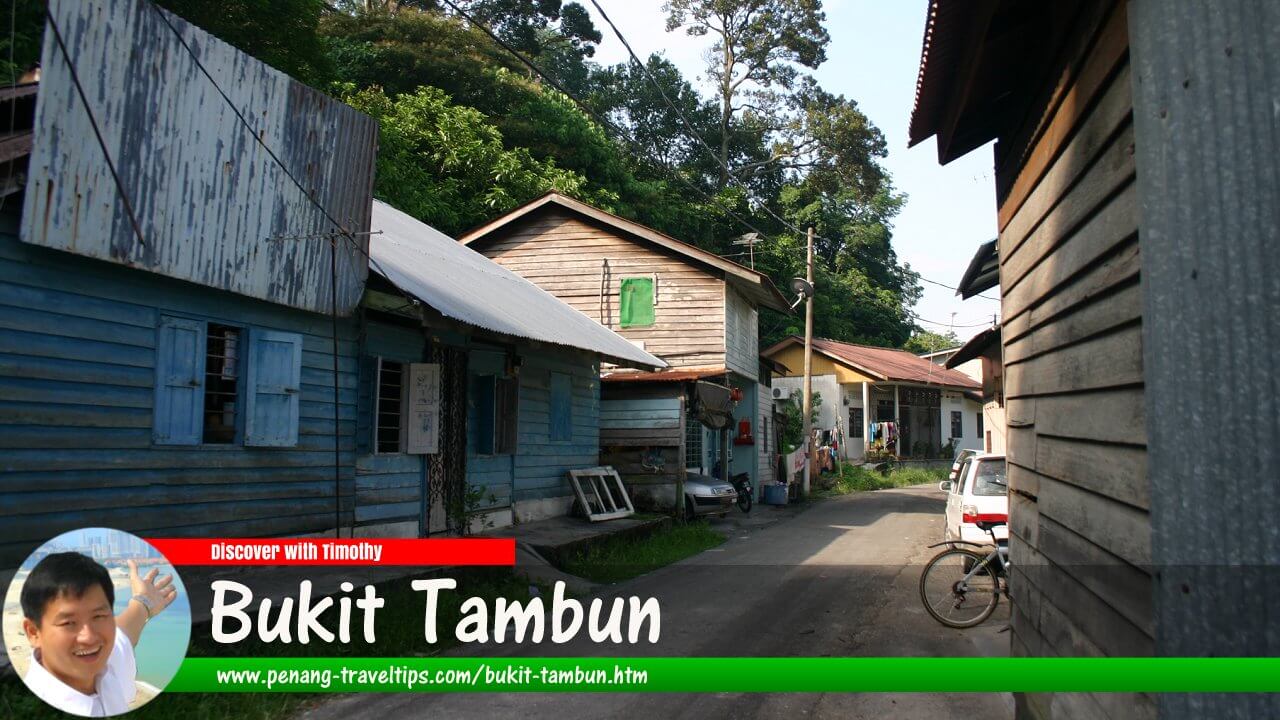 Bukit Tambun Travel Guide (AI generated on 21 October 2026)

Also available: Panduan Melawat Bukit Tambun
Bukit Tambun is a historic riverside fishing village in Seberang Perai Selatan, Penang, Malaysia. Situated along Sungai Jawi near Batu Kawan and Simpang Ampat, the settlement is known for its seafood restaurants, traditional shophouses and connections with the fishing communities of the surrounding coast. Although the village has developed alongside the wider growth of southern Seberang Perai, it retains a distinctive riverside character. Its history is also associated with Chinese settlement and sugarcane cultivation during the nineteenth century. 1
Quick Facts
- Name: Bukit Tambun
- Location: Seberang Perai Selatan, Penang, Malaysia
- Coordinates: 5.2762, 100.46545
- Nearby towns and areas: Simpang Ampat, Batu Kawan and Nibong Tebal
- River: Sungai Jawi
- Settlement character: Riverside fishing village and historic commercial settlement
- Known for: Seafood restaurants, old shophouses, ancestral buildings and fishing-village scenery
- Main road: Jalan Bukit Tambun
- Nearest major road connection: North-South Expressway and the Second Penang Bridge corridor
- Nearby island destination: Pulau Aman, currently accessed by passenger boat from Batu Musang Jetty in Batu Kawan
Geography and Location
Bukit Tambun lies in the southern part of Seberang Perai, the mainland portion of Penang. It is located near Batu Kawan and forms part of the wider Simpang Ampat area. Its traditional village centre is situated beside Sungai Jawi, a waterway that has historically supported fishing and other activities connected with the coast.
The river and its surrounding waterways have helped shape the settlement's character. Fishing boats, riverside buildings and seafood restaurants are among the features associated with the village. The riverfront also provides a setting quite different from the newer commercial and residential developments that have appeared elsewhere in southern Seberang Perai.
Jalan Bukit Tambun serves as the principal road through the older village centre. Along this road are traditional shophouses, local businesses and buildings that reflect the settlement's past. The village can be explored on foot over a relatively short distance, although a car or other transport is useful for reaching surrounding areas.
Bukit Tambun's location has become more accessible as road infrastructure in southern Penang has expanded. The Second Penang Bridge, officially named the Sultan Abdul Halim Mu'adzam Shah Bridge, connects Batu Kawan on the mainland with Batu Maung on Penang Island. The bridge has strengthened road connections between the island and the mainland, while the development of Batu Kawan has brought additional commercial, residential and industrial activity to the surrounding area. 2
History of Bukit Tambun
Early Settlement and Fishing
Bukit Tambun developed as a riverside settlement whose residents made use of the area's waterways and nearby coastal resources. Fishing was an important source of livelihood, and the village formed part of a wider network of settlements connected by boats, waterways and trade.
Accounts of the area's early development describe movement between Pulau Aman, Batu Kawan and Bukit Tambun by people seeking fishing grounds and other economic opportunities. These connections helped establish relationships between the mainland village and the nearby island communities. 1
Sugarcane Cultivation and Chinese Settlement
The history of Bukit Tambun is also linked to sugarcane cultivation. During the nineteenth century, Chinese settlers established sugarcane plantations in the surrounding area. Sugar was a valuable commodity at a time when demand for it was growing in overseas markets, including Britain.
The development of the sugar industry helped create wealth for some local families. Historical accounts associate the area with prominent sugar-growing families, including the Khaw and Heah families. Their presence contributed to the development of the village centre, where shophouses and larger residential buildings reflected the prosperity of the period. 1
Although sugarcane cultivation no longer defines the appearance of Bukit Tambun, traces of its earlier commercial prosperity can still be seen in the older buildings. These structures provide a reminder that the village's history was shaped not only by fishing but also by agriculture, trade and the movement of people through southern Penang.
Development into a Seafood Destination
Over time, Bukit Tambun became widely associated with seafood dining. Its location near fishing grounds and waterways made fish, prawns, crabs and other seafood natural features of the local food economy. From around the 1990s, riverside seafood restaurants helped establish the village as a dining destination for residents of Seberang Perai and visitors from Penang Island. 1
Today, seafood restaurants are among the most recognisable features of Bukit Tambun. The village's reputation attracts visitors who come primarily to eat, but the traditional street layout, older buildings and riverfront also provide an opportunity to learn about the area's history and everyday life.
The Name Bukit Tambun
The name Bukit Tambun consists of two Malay words. Bukit means a hill, while tambun can refer to being plump, thick or built up, depending on context. However, the literal meanings of these words do not establish the historical reason the settlement acquired its name.
Although the name may suggest a geographical feature, a reliable, documented explanation of its origin has not been established here. It is therefore best to treat interpretations connecting the name directly to a particular hill, landscape feature or historical event as unconfirmed unless supported by local historical records.
Places to See in Bukit Tambun
Jalan Bukit Tambun
Jalan Bukit Tambun is the main street through the older settlement. A walk along the road offers a look at the village's traditional commercial centre, including older shophouses and local businesses. Some buildings retain architectural features associated with earlier periods, while others have been altered or repainted over time.
Visitors interested in heritage should look beyond the street's present-day businesses and notice the arrangement of the buildings, their facades and the way the settlement follows a compact main-road layout. The village is not a large heritage precinct with extensive visitor facilities, so it is best explored at a relaxed pace while remaining considerate of residents and businesses.
Historic Shophouses and Ancestral Buildings
The older buildings of Bukit Tambun reflect its past as a small commercial settlement associated with fishing, agriculture and trade. Some historical accounts identify ancestral residences belonging to families connected with the area's sugar industry. The Heah Swee Lee ancestral mansion is among the heritage features highlighted in local tourism material. 3
These buildings are part of the village's cultural landscape. However, they should be viewed respectfully, as some may be privately owned or occupied. Visitors should not enter buildings or courtyards without permission.
Riverside and Fishing-Village Scenery
Sungai Jawi is central to Bukit Tambun's identity. Near the riverfront, visitors may see boats, waterside structures and the activity associated with a working fishing community. The atmosphere varies according to the time of day, weather and fishing activity.
The riverfront is also a setting for some of the village's seafood restaurants. Visitors can combine a meal with a short walk around the accessible public areas, observing the relationship between the settlement and the waterway. Care should be taken around slippery surfaces, boat-mooring areas and working jetties.
Bukit Tambun Jetty
The old jetty is associated with Bukit Tambun's former passenger-boat connection to Pulau Aman. It also forms part of the village's riverside identity. The jetty and nearby riverfront offer a glimpse of the area's connections with fishing and water transport. 4
Passenger services to Pulau Aman have since been transferred to Batu Musang Jetty in Batu Kawan. Visitors planning an island trip should therefore confirm the current departure point and boat arrangements rather than assuming they can board at the old Bukit Tambun jetty. 5
Seafood and What to Eat
Food is one of the main reasons people visit Bukit Tambun. Its riverside seafood restaurants attract diners from southern Seberang Perai and other parts of Penang. The local dining scene is closely associated with fish and shellfish, with restaurants offering different preparations according to their menus and the day's available catch. 1
Seafood Restaurants
Restaurants in and around the village serve a range of seafood dishes. Depending on the establishment and the availability of ingredients, visitors may find steamed or fried fish, prawns, crabs, clams and other shellfish. Common preparations include cooking seafood with butter, chilli, curry spices or savoury sauces.
Some restaurants are located beside or close to the river, giving diners views of the waterway. Among the establishments associated with Bukit Tambun's seafood scene are Jetty Seafood Restaurant and New Ghee Seng Seafood Restaurant. Restaurant names, operating hours, menus and ownership can change, so it is advisable to check current information before making a special trip.
Food for Malay and Muslim Visitors
Malay and Muslim visitors can look for eateries that clearly identify their halal status. The presence of seafood on a menu does not by itself establish that a restaurant is halal-certified or suitable for every Muslim diner. When halal certification is important, check the restaurant's current certification or ask the establishment directly about its food preparation and ingredients.
Visitors who prefer a wider choice of Malay food can also explore eateries in nearby residential and commercial areas, including Simpang Ampat and Batu Kawan. Opening hours may vary, particularly outside the busiest meal periods.
When to Visit for a Meal
Lunch is a practical time to visit Bukit Tambun's seafood restaurants, although some establishments also open for dinner. Weekends and public holidays may be busy, especially at popular riverside restaurants. For larger groups, contacting the restaurant in advance is advisable.
Seafood prices can depend on the type, size and weight of the catch, as well as the preparation method. Ask for the current price before ordering seafood sold by weight, particularly crabs and larger fish, to avoid surprises when the bill arrives.
How to Get to Bukit Tambun
By Car
Driving is one of the most convenient ways to reach Bukit Tambun. From the North-South Expressway, motorists can use the Bukit Tambun interchange and follow the connecting roads towards the village. Jalan Bukit Tambun leads into the older settlement and its riverside dining area. 4
From Batu Kawan, follow the local road network towards Bukit Tambun. Travellers coming from Penang Island can use the Sultan Abdul Halim Mu'adzam Shah Bridge to reach Batu Kawan before continuing to the village. Those approaching from George Town or other parts of the island should allow additional time for bridge traffic and the drive across the mainland.
Traffic conditions vary by time of day. Visitors heading to seafood restaurants during lunch or dinner periods should allow extra time to find parking. Some roads in the older village centre are relatively narrow, so drive carefully and avoid obstructing residents' access.
By Taxi or E-hailing Service
Taxi and e-hailing services may be an option for visitors who do not have their own transport. Availability can vary according to demand and time of day, particularly for the return journey. If travelling by e-hailing service, confirm that the driver can locate the intended restaurant or drop-off point and consider arranging the return trip before leaving the village.
By Public Transport
Public transport options for reaching the older village centre may be less convenient than travelling by car. Bus routes and service frequencies can change, and a route serving a nearby town or commercial development may not stop close to the riverside restaurants.
Visitors intending to use buses should check current routes, stops and timetables before setting out. A combination of public transport and a taxi or e-hailing service may be necessary for the final part of the journey.
Where to Stay
Bukit Tambun is a small settlement, and visitors who wish to stay overnight may find it more practical to look for accommodation in the wider southern Seberang Perai area. The most suitable location depends on whether the priority is a seafood visit, a business trip, access to the Second Penang Bridge or an excursion to nearby attractions.
Batu Kawan
Batu Kawan is a practical base for visitors who want to explore Bukit Tambun and other parts of southern Seberang Perai. The area has undergone substantial development, with commercial facilities, shopping destinations and accommodation options serving visitors to the wider district. It is also convenient for travellers using the Second Penang Bridge.
Simpang Ampat
Simpang Ampat offers another option, particularly for travellers who want access to local shops, eateries and road connections. Staying here can be useful for visiting Bukit Tambun as well as other settlements in the southern mainland district.
Nibong Tebal and Other Nearby Areas
Travellers with activities farther south may consider accommodation in Nibong Tebal or other nearby towns. These locations may be more suitable for itineraries covering several parts of Seberang Perai Selatan rather than Bukit Tambun alone.
Accommodation availability and facilities change over time. Check current listings, prices, parking arrangements and the actual driving distance to Bukit Tambun before booking.
Getting Around Bukit Tambun
The older village centre is compact enough to explore on foot, especially if the main purpose of the visit is to see the shophouses, observe the riverside and enjoy a meal. Walking is also a convenient way to notice details that may be missed when passing through by car.
For destinations beyond the main street, a car, motorcycle or taxi may be more practical. Public transport should not be assumed to provide frequent or direct connections to every part of the surrounding area.
Drivers should be mindful of pedestrians, parked vehicles, motorcycles and activity near the river. Visitors taking photographs should avoid blocking shop entrances, restaurant access, loading areas or the movement of fishing boats.
Nearby Places to Explore
Batu Kawan
Batu Kawan lies near Bukit Tambun and has developed into an important commercial and residential area in southern Seberang Perai. It is known for modern shopping and business facilities, as well as its connection to Penang Island through the Second Penang Bridge. A visit to Batu Kawan can provide a contrast with the older village environment of Bukit Tambun.
Pulau Aman
Pulau Aman is a small inhabited island off the coast of mainland Penang, known for its traditional fishing-village atmosphere and seafood. It has long-standing connections with fishing communities in the surrounding area. Visitors can make a separate boat excursion to the island, but passenger services now depart from Batu Musang Jetty in Batu Kawan. Confirm the latest timetable, fares and departure arrangements before travelling. 5
Simpang Ampat
Simpang Ampat is a nearby town that provides access to shops, eateries and everyday services. It is useful as a stopping point for travellers exploring southern Seberang Perai by road.
Best Time to Visit
Bukit Tambun can be visited throughout the year. For visitors interested in exploring the old village centre, daytime offers better visibility of the buildings and riverside surroundings. Those primarily interested in seafood can plan their visit around lunch or dinner, after checking the operating hours of their preferred restaurant.
As Penang has a tropical climate, rain can occur throughout the year. Bring an umbrella or rain protection, and take extra care when walking near the river or on wet surfaces. Outdoor exploration is best kept flexible when heavy rain or thunderstorms occur.
Travel Tips
- Allow time to explore: Even if seafood is the main reason for visiting, set aside time to walk along the older village street and observe the riverside environment.
- Check restaurant details: Confirm opening hours, current menus and prices, especially for seafood sold by weight.
- Check halal status where necessary: Do not assume a restaurant is halal solely because it serves seafood.
- Plan transport in advance: Public transport may not provide a direct or frequent service to the village centre.
- Confirm Pulau Aman boat services: Use the current departure point at Batu Musang Jetty in Batu Kawan and check the latest schedule before travelling.
- Respect the local community: Ask permission before photographing people or entering private property, and keep clear of working jetties and fishing equipment.
- Allow for weekend crowds: Popular seafood restaurants may be busy during weekends and public holidays.
Conclusion
Bukit Tambun offers a different perspective on Penang from the island's better-known urban and beach destinations. Its identity has been shaped by the river, fishing, sugarcane cultivation and the development of a small commercial centre. Today, its seafood restaurants remain a major attraction, while its older shophouses, ancestral buildings and riverside setting provide a glimpse of the area's past.
The village can be explored as a short excursion from Batu Kawan or Simpang Ampat, or included in a wider itinerary around southern Seberang Perai. For travellers interested in local food and settlement history, Bukit Tambun offers an opportunity to experience a part of Penang where traditional village life and modern regional development exist side by side.
 Map of Bukit Tambun, Seberang Perai
 Sights in Bukit Tambun
- Bukit Tambun Chinese Cemetery (GPS: 5.27362, 100.44771)

- Heah Mansion (GPS: 5.27368, 100.4487)

- Jeti Bukit Tambun (GPS: 5.27127, 100.44294)

- Thye Guan Tong Bukit Tambun (GPS: 5.27206, 100.44999)

Apartments and Condominiums in Bukit Tambun
- Pangsapuri Lembah Indah (GPS: 5.29015, 100.45767)

- Royale Infinity (GPS: 5.29015, 100.45767)

Housing estates in Bukit Tambun
- Royale Nova (GPS: 5.2889, 100.45931)

- Taman Bagan Tambun (GPS: 5.27897, 100.46697)

- Taman Merpati Indah (GPS: 5.27437, 100.44837)

What to eat in Bukit Tambun
- Bukit Tambun Hokkien Mee Stall (GPS: 5.27382, 100.44909)

Markets in Bukit Tambun
- Pasar Awam Tambun Indah (GPS: 5.27751, 100.46597)

Petrol Stations in Bukit Tambun
- Caltex Jalan Bukit Tambun (GPS: 5.27076, 100.45089)

Schools in Bukit Tambun
- SJKC Keng Koon (GPS: 5.2722, 100.45138)

- SK Bukit Tambun (GPS: 5.27076, 100.45089)

Street Art in Bukit Tambun
- Bukit Tambun Street Art Murals (GPS: 5.27437, 100.44837)

Places of worship in Bukit Tambun
- Masjid Bukit Tambun (GPS: 5.27413, 100.44456)

- Thnee Kong Beow Temple (GPS: 5.27264, 100.44414)

Eateries at Bukit Tambun
- Bukit Tambun Jetty Seafood Restaurant (GPS: 5.27106, 100.44311)

- Floating Seafood Paradise (GPS: 5.2761, 100.44566)

- Restoran Ee Sheng (GPS: 5.27136, 100.44329)

- Restoran How Kee Seafood Village (GPS: 5.27257, 100.45048)

Getting there
To go by car, exit the North-South Expressway at the Bukit Tambun Interchange (Exit 158).Nearby Sights
Bukit Tambun is on the Map of Seberang Perai
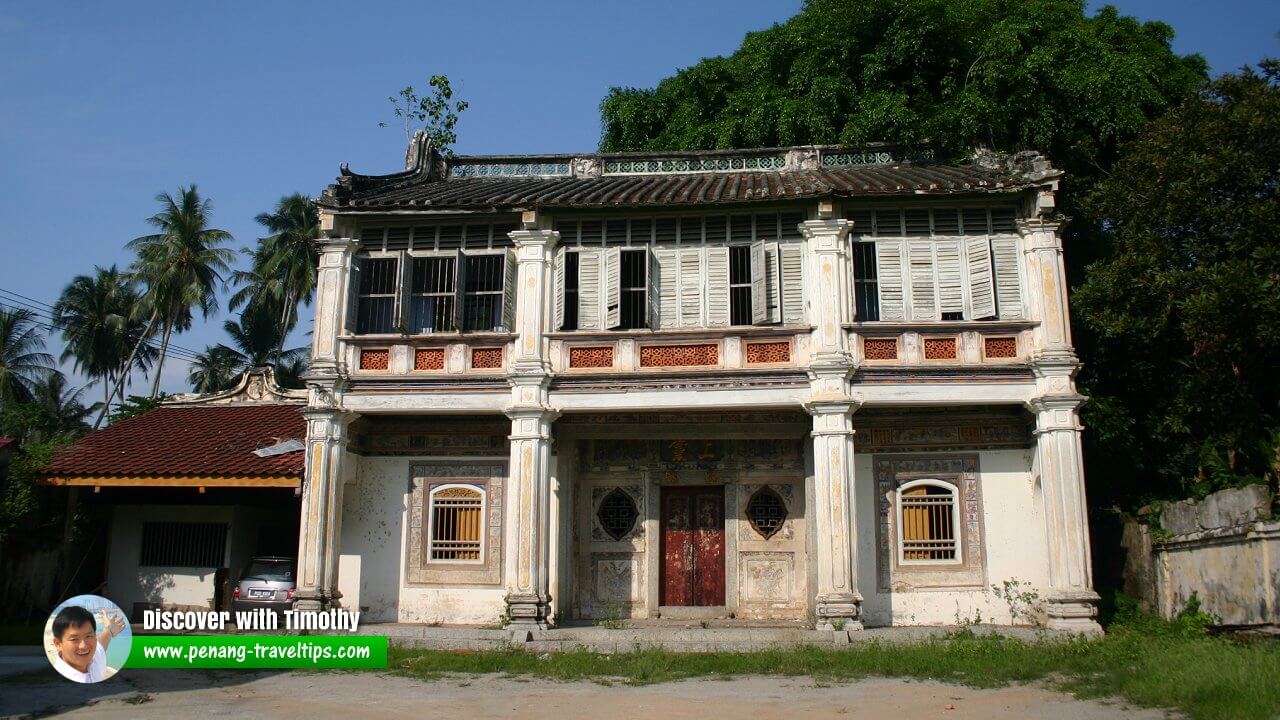 Chinese manor house in Bukit Tambun (23 May 2005)

References
- Penang Global Tourism, Bukit Tambun's Hidden Treasures. Background on the village's sugarcane history, Chinese settlement, ancestral buildings and seafood restaurants. https://mypenang.gov.my/culture-heritage/my-stories/135/?lg=en
- Penang Travel Tips, Bukit Tambun, Penang. Location details, coordinates, the village's riverside setting and historical information about the jetty. https://www.penang-traveltips.com/bukit-tambun.htm
- Penang Global Tourism, Seberang Perai Discovery Trail. Information on Bukit Tambun's heritage buildings, street murals, seafood restaurants and Heah Swee Lee ancestral mansion. https://mail.mypenang.gov.my/view_directory.php?id=U0dzblRuSDhNREh3c0tHS3hnM091Zz09
- Penang Travel Tips, Jeti Bukit Tambun. Information on the old riverside jetty and road access to the village. https://www.penang-traveltips.com/jeti-bukit-tambun.htm
- Penang Global Tourism, Nature & Adventure, and related official visitor information for Pulau Aman. Background on the island and its access from Batu Musang Jetty, Batu Kawan. https://mypenang.gov.my/uploads/downloads/Penang-Trade-Booklet-English.pdf
Page Details
This page was created on 21 October 2026. Hi, my name is Timothy and created it from my research, for my own entertainment, knowledge and to satisfy my curiosity. I am providing the information to you in good faith and hope it is useful. I try to get the details as accurate as possible. I also try to update the page whenever I stumble on new details. So this and all my other pages are perpetual work in progress. If you discover any error, please politely inform me, pointing out where the error lies, and I will correct it as soon as possible. Your helpfulness will keep this page accurate, relevant and helpful to those who need the information.Want to share your Penang travel experiences or get tips from fellow travellers?
Join the Penang Travel Tips Facebook GroupUseful guides for visiting Penang
My Videos of Penang
Latest Pages & Updates
Buy Me A Coffee
If you enjoy the information I provide and want to support the work I do, please buy me a coffee! I appreciate it immensely, thank you so much!
