
Cost of Living in Different Singapore Neighborhoods (2025 Guide)
Quick summary: Singapore is famously expensive, but costs vary a lot by neighbourhood. This guide compares rent, groceries, transport and lifestyle expenses in Orchard, East Coast, Clementi and Punggol — and gives three monthly budget examples you can use when planning your move.
Why neighbourhood choice matters
When budgeting for an expat move to Singapore, the single biggest variable is housing. Rent can be two to three times higher in central, premium neighbourhoods than in suburban towns. That gap affects not only direct housing costs but also commuting time, daily food and entertainment choices — all of which change your monthly cashflow and quality of life. For context, listing and market-data sites show wide ranges in asking rents across the city and by district in 2025.12
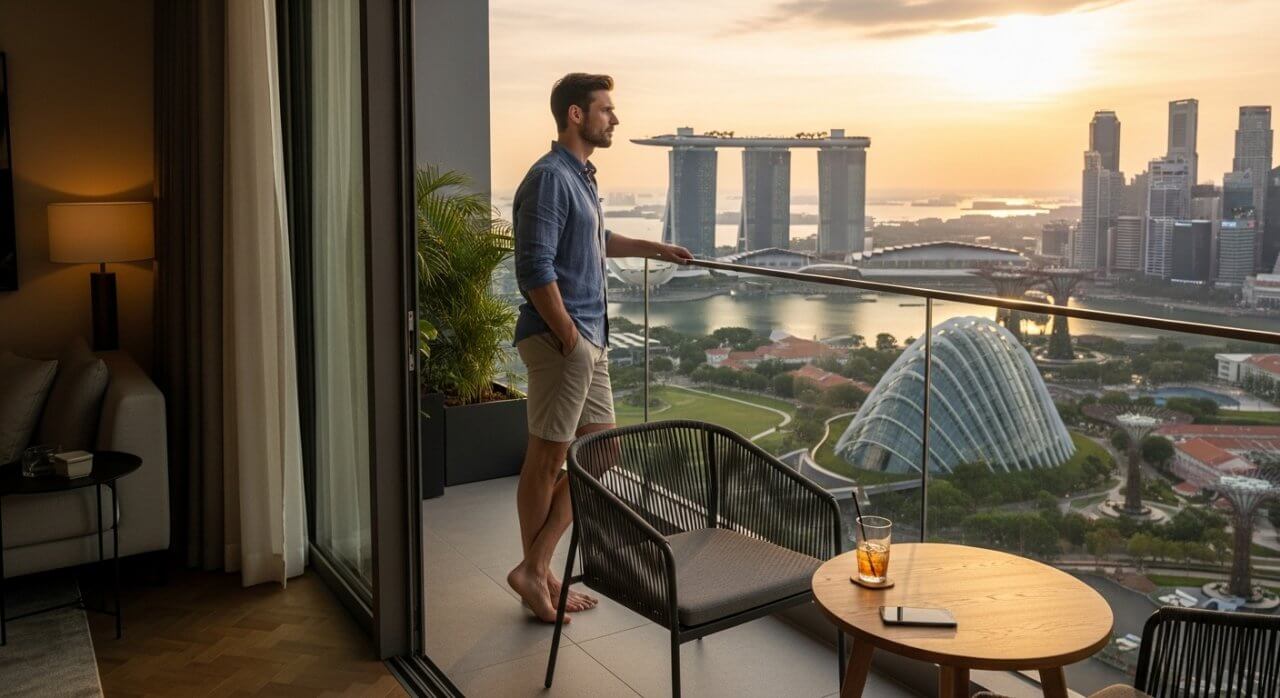 Expat living in a condo in Singapore
Neighbourhood snapshots
Orchard (Central)
Orchard is Singapore's shopping and hotel spine. Expect the highest rents and the widest selection of international restaurants, supermarkets and services. One-bedroom condos or apartments listed near Orchard commonly start well above city-average asking rents; premium or historic apartments can be substantially more expensive than HDB flats elsewhere.26 If you value a short commute to the CBD, easy access to malls and a dense F&B scene, Orchard delivers — at a premium.
East Coast / Marine Parade
East Coast (including Marine Parade and Katong) is popular with expats who want sea breezes, coffee shops and hawker culture. Rent is generally lower than Orchard for comparable unit sizes, but still higher than many heartland towns because of strong lifestyle demand and proximity to good international schools and parks. The coastline, East Coast Park and numerous cafes make lifestyle choices more leisure-focused than purely urban.2
Clementi (West / Mature Estate)
Clementi is a mature residential town in the west with a mix of HDB flats, condominiums and some landed housing pockets. It is family-friendly, has good schools and convenient MRT/bus links to central areas. Rents here are generally reasonable compared to central districts; you can often find comfortable 1–2 bedroom HDB flats or condos at prices that suit mid-range expat budgets.1
Punggol (Northeast, New Town)
Punggol is one of Singapore's newer towns focused on waterfront living, family amenities and modern condos. Prices vary widely: newer waterfront condos can command higher rents than older HDB flats in the same area, but overall Punggol often offers better value per square foot compared with central districts. It's attractive for families who want newer housing, parks and relatively lower rent while accepting a longer commute to the CBD for many jobs.16
Typical monthly costs — what to expect (2025)
Below are typical monthly cost categories and ballpark figures you should include in your budget. Note that individual lifestyles vary and the rent figures shown here use market listings and rental statistics as a guide. Where possible, sources are cited for rent or cost indicators.
- Rent
- Orchard / city-centre one-bedroom condo: from roughly S$2,500–S$5,000+ per month (asking rents show many central listings above S$3,000).2
- East Coast / Marine Parade one-bedroom: commonly S$1,800–S$3,000 depending on condo vs HDB and proximity to the coast.2
- Clementi one-bedroom HDB/condo: roughly S$1,300–S$2,200 typical for many listings (wide range depends on unit and tenure).1
- Punggol one-bedroom (HDB or newer condo): often S$1,200–S$2,500 depending on age and waterfront view.1
- Groceries & eating out
Grocery bills for a single person typically range from S$250–S$500/month depending on diet and how often you eat hawker/food-court meals versus cooking with imported staples. Restaurant and hawker costs are lower per meal at hawker centres but can spike in tourist or mall areas. Market price indexes (crowd-sourced) suggest that overall food and grocery items remain noticeably above many regional peers in 2025.4
- Transport
Public transport is efficient and predictable. A single-trip train or bus fare usually ranges from under S$1 for short trips to around S$2–3 for longer cross-island journeys; Singapore also offers unlimited monthly travel cards (e.g., Adult Monthly Travel Pass) for heavy commuters at a fixed rate. If you commute daily, budgeting S$100–S$200/month for public transport is common — driving, parking and ERP tolls increase your transport cost substantially if you bring a car.511
- Utilities, internet, mobile
Utilities (electricity, water, gas) plus a decent internet plan typically add S$120–S$250/month depending on AC usage and household size. Mobile plans vary widely but expect S$20–S$50/month for moderate data plans.
- Leisure, gym, entertainment
Gym memberships can range from S$50/month (value chains) to S$200+ for premium clubs. Eating out, weekend activities and shopping will vary by neighbourhood: living in Orchard or East Coast encourages more leisure spending simply because opportunities are more numerous and convenient.
Three sample monthly budgets (approximate, in SGD)
1) Solo early-career expat — conservative (Punggol)
- Rent (1BR HDB or small condo): S$1,300
- Groceries & eating out: S$350
- Transport (public): S$120
- Utilities & internet: S$150
- Leisure & misc: S$200
- Total ≈ S$2,120 / month
2) Couple, mid-range lifestyle (Clementi / East Coast)
- Rent (2BR condo): S$3,200
- Groceries & eating out: S$650
- Transport (two commute passes): S$240
- Utilities & internet: S$200
- Leisure & occasional dining: S$400
- Total ≈ S$4,690 / month
3) Family, premium convenience (Orchard / central)
- Rent (3BR condo close to Orchard): S$6,000+
- Groceries & eating out: S$1,000
- Transport & school runs: S$400
- Utilities & internet: S$300
- Leisure, schooling extras: S$1,000
- Total ≈ S$8,700+ / month
These examples are illustrative and combine listing-based rent ranges with typical household spending patterns reported in 2025 data and market snapshots.124
Tips to manage costs
- Choose location by lifestyle priorities: pay more to reduce commute (Orchard, inner fringe) or save on rent and accept longer commute (Punggol, some parts of Clementi).
- Mix hawker meals with grocery cooking: hawker centres offer inexpensive, high-quality meals that keep food bills down while letting you enjoy local cuisine.
- Consider HDB vs condo trade-offs: HDB flats are usually cheaper to rent than private condos but check commute and amenity trade-offs carefully.
- Use monthly travel passes if commuting heavily: the fixed monthly pass is often cheaper than paying per trip if you travel daily on MRT/buses.5
- Watch rental cycles: rental markets vary during the year; listings and asking rents are good guides but negotiation is often possible, especially for longer lease terms.6
Final thoughts
Singapore offers world-class infrastructure and safety, but those conveniences come at a cost. New expats should prioritise what matters most — proximity to work, schools, or lifestyle — and build a conservative monthly budget that includes rent, groceries, transport and a buffer for medical and one-off items. Use local rental listings and official rental statistics when planning, and expect neighbourhood choice to be the largest single driver of your monthly costs.124
References
- HDB — Rental statistics (open-market rental figures and town breakdowns). Source for recent HDB and town rental snapshots. Available from HDB official site (2025).1
- GlobalPropertyGuide — Average rent prices by district (2025). Market snapshot comparing one-bedroom asking rents across Singapore districts. (2025).2
- SimplyGo / public transport fares — official adult fares and monthly pass information (updated 2024–2025). Useful for planning commuting costs and monthly travel pass options. (SimplyGo / MOT).5
- Numbeo — Cost of living Singapore (2025 crowd-sourced price indices for groceries, restaurants and consumer items). Used for grocery and consumer-price context. (2025).4
- SingaporeGlobalNetwork — Renting in Singapore in 2025 (guide to studio/condo ranges and renting realities in 2025). Helpful for example rental ranges and market commentary. (2025).6
- Property listing portals (e.g., PropertyGuru) — live listings for Orchard, Punggol, Clementi and East Coast used to illustrate asking-rent ranges and current supply. (2025 listings snapshots).6
Page Details
This page was created on 12 August 2025. Hi, my name is Timothy and created it from my research, for my own entertainment, knowledge and to satisfy my curiosity. I am providing the information to you in good faith and hope it is useful. I try to get the details as accurate as possible. I also try to update the page whenever I stumble on new details. So this and all my other pages are perpetual work in progress. If you discover any error, please politely inform me, pointing out where the error lies, and I will correct it as soon as possible. Your helpfulness will keep this page accurate, relevant and helpful to those who need the information.My videos of Singapore
Want to share your Singapore travel experiences or get tips from fellow travellers?
Join the Singapore Travel Tips Facebook GroupMore information for visiting and living in Singapore
Here are some related articles to help you get to know Singapore better.- Cost of Living in Different Singapore Neighbourhoods (2025 Guide)
- EZ-Link Card
- Owning a Car in Singapore
- Singapore MRT Map & Guide 2025
- Singapore Postal Districts and Postcodes
- Singapore Tourist Pass
- Taking the Bus in Singapore: A Visitor's Guide
- Understanding CCR, RCR and OCR in Singapore real estate
 Latest Pages & Updates
Buy Me A Coffee
If you enjoy the information I provide and want to support the work I do, please buy me a coffee! I appreciate it immensely, thank you so much!
