
London Borough of Lambeth
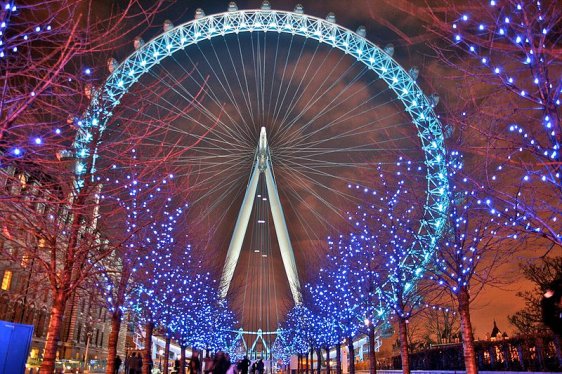 London Eye, probably the most famous landmark of Lambeth
Source: https://commons.wikimedia.org/wiki/File:London_Eye_at_night_4.jpg
Author: Mike Peel

The London Borough of Lambeth is a borough of Greater London in south London, and is one of the boroughs of Inner London. Lambeth covers an area of 26.82 sq km (10.4 sq mi). It is long and thin, being 11 km (7 miles) long and 4.8 km (3 miles) wide. Lambeth has a population of 274,500 people.
The civic centre of Lambeth is Brixton, while other towns and shopping areas include Streatham, Vauxhall, Clapham and West Norwood. At the northern end of the Lambeth borough is South Bank and Lambert districts. These are touristic places. On the south end are leafy neighbourhoods such as Gipsy Hill, Tulse Hill, West Dulwich and West Norwood. In between these two areas are the inner-city neighbourhoods of Brixton, Brixton Hill, Streatham Hill, Clapham, Clapham Park, Herne Hill, Stockwell and Kennington.
Although having a high population density, Lambeth has a few public spaces such as Brockwell Park, Brockwell Lido, Streatham Common, and part of Clapham Common. Many of the tourist attractions of Lambeth are at South Bank, among them the London Eye, Hayward Gallery and Oxo Tower. Other sights include the Florence Nightingale Museum and Lambeth Palace.
Among the churches in Lambeth include the St Mary Lambeth, which houses the Museum of Garden History; the four Waterloo churches namely St Matthew in Brixton, St Mark in Kennington, St Luke in West Norwood St John in Waterloo; Holy Trinity in Clapham as well as in Tulse Hill, Christ Church in Streatham Hill as well as in North Brixton, St Leonard in Streatham, All Saints' Church in West Dulwich, and St John the Divine on Vassall Road.
Being on the south bank of the River Thames, Lambeth has a few bridges to the river, including Waterloo Bridge, Hungerford Bridge, Lambeth Bridge, Westminster Bridge and Vauxhall Bridge.
How to reach Lambeth
There are a number of stations of the London Underground in Lambeth, among them Brixton, Clapham Common, Lambeth North, Oval, Stockwell, Vauxhall and Waterloo Stations.There are a number of railway stations at Lambeth too, the biggest being Waterloo Line. Others include the Brixton Railway Station, Clapham Hill Street Railway Station, Gipsy Hill Railway Station, Herne Hill Railway Station, Loughborough Junction Railway Station, Streatham Railway Station, Streatham Common Railway Station, Tulse Hill Railway Station, Vauxhall Railway Station, Wandsworth Road Railway Station and West Norwood Railway Station.
Streets in Lambeth
Want to share your London travel experiences or get tips from fellow travellers?
Join the London Travel Tips Facebook GroupMore information for visiting London
Here are some related articles to help you get to know London better.- Cost of Living in London: Discover the true cost of living in London, including housing, transport, groceries, and more - plus tips for budgeting in one of the world's most expensive cities.
- Driving in London: Planning to drive in London? Learn about roads, car rentals, parking, tolls, and key tips for tourists and visitors from outside the capital.
- Driving Tips for Visiting London: Thinking of driving to London? Discover the best times to travel, congestion tips, parking apps, breakdown help, and petrol advice for a smoother journey.
- Evolution of London's Streets: Discover the fascinating history of how London's streets developed from ancient footpaths to today's complex network of roads across the capital.
- History of Immigration to London: Discover the rich history of immigration to London, from Huguenots to Bangladeshis, and how diverse communities have shaped the city's vibrant identity.
- How Big Is London Compared to Other World Cities?
- How London's Streets Measure Up: A Global Comparison of Road Widths
- How Streets of London are Named: Discover how London streets get their names, who decides them, and how historic, political, and public influences shape street naming in the capital.
- How the Grosvenor Family Came to Own Much of Mayfair, Belgravia and Pimlico: Explore how the Grosvenor family came to own much of Mayfair, Belgravia, and Pimlico, and learn about their historical connection (or lack thereof) with the British royal family and government.
- Living and working in London
- London's Quiet Collapse: How Living Standards Fell as Costs Skyrockted (1975-2025): Explore how London residents endured rising costs and falling living standards from 1975 to 2025 - from rocketing rents to wage stagnation and inflation.
- Marvel of the London Underground: Discover the history, challenges, and triumphs of the London Underground - the world's first underground railway and a vital transport lifeline for the UK capital since 1863.
- Moving to London: Expat Tips for Settling in Westminster: Essential advice for expats moving to London's Westminster: neighborhood insights, cost of living, transportation, housing, healthcare, schools, and tips to help you feel at home in the heart of the city.
- Places in London that aren't pronounced the way they're spelled
- Shopping in London: Discover London's diverse shopping scene
- Taking the bus in London: This is your complete guide to taking the bus when in London.
- The Anglican Faith: A Visitor's Guide to the Church of England: Learn about the Anglican faith and its deep ties to London's landmarks like Westminster Abbey and St Paul's Cathedral.
- Top 10 London Streets Every Visitor Must See: Discover London through its most iconic thoroughfares - 10 streets every visitor must experience. From historic Abbey Road to vibrant Camden High Street, explore culture, shopping, and hidden gems.
- Why are most roads in Central London so narrow? Learn why there are so few multi-lane roads and elevated highways in the heart of the city.
 Latest Pages & Updates
Buy Me A Coffee
If you enjoy the information I provide and want to support the work I do, please buy me a coffee! I appreciate it immensely, thank you so much!
