
Elizabeth Bridge, London
Elizabeth Bridge is a short vehicular bridge located in the heart of Victoria, in the City of Westminster, central London. It crosses over the southern throat of London Victoria Station's railway tracks, connecting Elizabeth Street on the west side with St George's Drive on the east. The bridge effectively links the Pimlico and Belgravia areas, providing a convenient and scenic passage across this major rail hub.
Length and Structure of the Bridge
Elizabeth Bridge itself is relatively short, measuring around 70 metres (230 feet) in length. While modest in span, it plays an important local role in easing vehicular and pedestrian movement across the railway lines. It is constructed with a traditional steel and concrete frame, offering two traffic lanes and pavement on both sides for pedestrians.
History of Elizabeth Bridge
The bridge was constructed in the late 19th century to accommodate the increasing need for east–west road connections in the area surrounding Victoria Station, which had become a key transport hub. As the railways expanded and traffic grew, bridges such as Elizabeth Bridge became vital for local infrastructure.
The current structure has been maintained and updated several times since its original construction. It remains an important part of the local street network, blending seamlessly into the dense urban fabric of Victoria.
Name and Origin
Elizabeth Bridge takes its name from Elizabeth Street, the elegant Belgravia street to the west of the bridge. While it is not named directly after Queen Elizabeth II, the association adds a regal tone that fits the character of the neighbourhood. The name was likely formalised in the early 20th century when the bridge began appearing on official maps and transport documents.
The Character of the Road
Elizabeth Bridge is a charming local connector, often overlooked due to its short length and purely utilitarian function. However, it carries a steady flow of local traffic and pedestrians each day. Lined with standard London streetlamps and edged with low stone parapets, the bridge feels open and unassuming, offering brief but pleasant views over the railway tracks into Victoria Station.
The surrounding roads—Elizabeth Street and St George's Drive—feature a mix of Victorian townhouses, small shops, embassies, and boutique hotels, making the area highly walkable and visually engaging.
Nearby Sights and Points of Interest
While Elizabeth Bridge itself is not a tourist attraction, its immediate vicinity offers plenty for visitors to enjoy:
- Elizabeth Street – A beautiful shopping street filled with designer boutiques, florists, and cafes. A great place for a quiet stroll or stylish afternoon tea.
- Pimlico Road – Just to the southwest, known for its antique shops and high-end interior design stores.
- Ebury Square Garden – A peaceful green space just minutes from the bridge.
- Victoria Station – A major London terminus with shops, restaurants, and rail connections.
- The Goring Hotel – A luxurious, historic hotel visited by royalty and known for its classic British elegance, located nearby on Beeston Place.
Transport Connections
Nearest Underground and Rail Station
The nearest station is London Victoria Station, located just a 3-minute walk to the northeast. It offers:
- London Underground lines: Victoria, District, and Circle
- Mainline rail services to Gatwick Airport, Brighton, Kent, and Surrey
- Coach services from the nearby Victoria Coach Station
Local Bus Stops
Several bus routes stop near Elizabeth Bridge, especially on Buckingham Palace Road and Victoria Street, including:
- Routes 11, 24, 44, 170, 211 and others
- Frequent service towards Westminster, Chelsea, Battersea, and the West End
Fun Fact
Elizabeth Bridge is a favourite vantage point for railway enthusiasts—known as "trainspotters"—who enjoy photographing the constant flow of trains heading into and out of Victoria Station. In the early 20th century, it was also a popular place for postcard photographers capturing the energy of the growing railway network below.
- Location: Victoria, City of Westminster, London
- Function: Vehicular and pedestrian bridge
- Crosses: The railway tracks at Victoria Station
- Connects: Elizabeth Street (west) and St George's Drive (east)
- Length: Approximately 70 metres (230 feet)
- Construction: Late 19th century
- Name origin: From Elizabeth Street; not a royal dedication
- Character: Quiet, local connector with scenic views over the tracks
- Nearby attractions: Elizabeth Street shops, Ebury Square Garden, The Goring Hotel
- Nearest station: Victoria Station (Underground and mainline)
- Nearby buses: 11, 24, 44, 170, 211 and more
- Fun fact: Popular spot for trainspotters and historical photographers
Map of Elizabeth Bridge, London
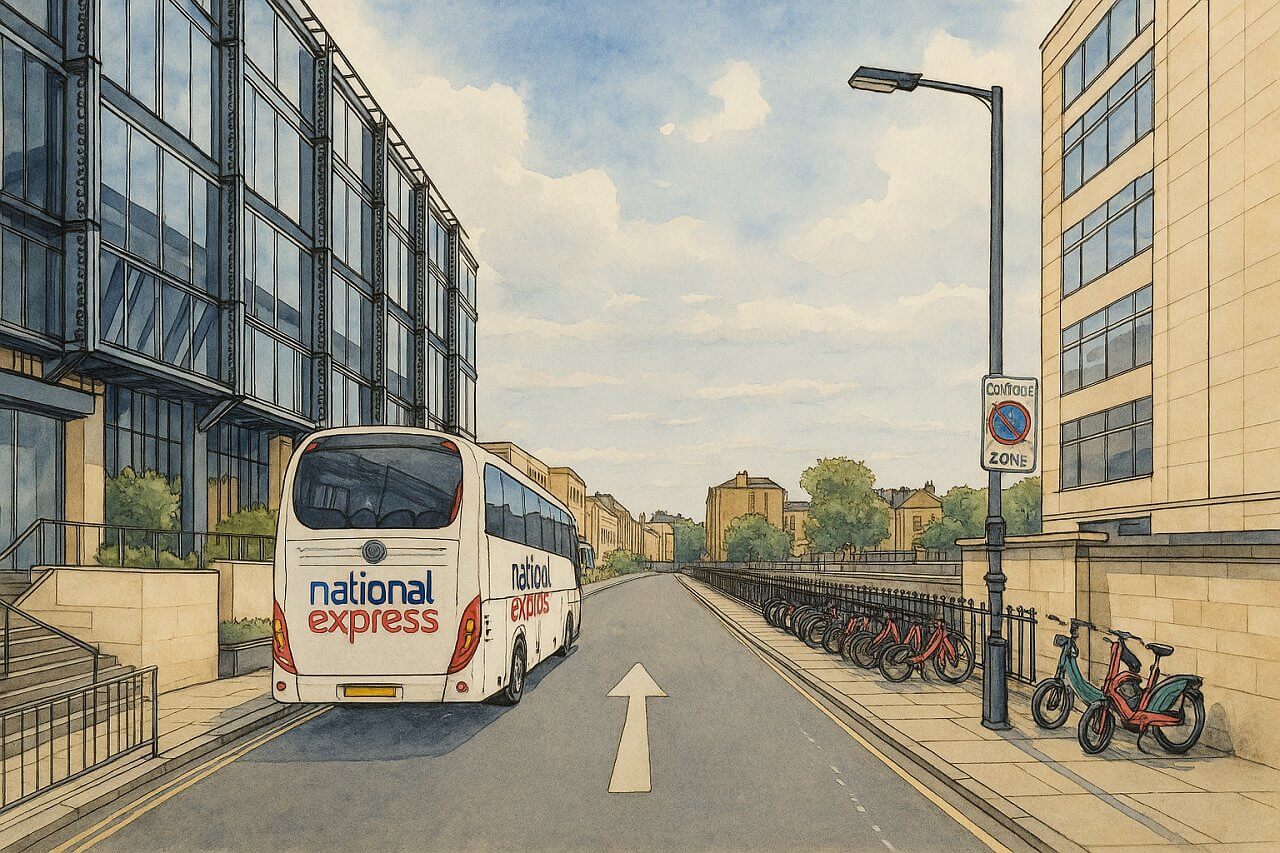
Painting of Elizabeth Bridge, London (View image in full size)

Page Details
This page was created on 8 May 2025. Hi, my name is Timothy and created it from my research, for my own entertainment, knowledge and to satisfy my curiosity. I am providing the information to you in good faith and hope it is useful. I try to get the details as accurate as possible. I also try to update the page whenever I stumble on new details. So this and all my other pages are perpetual work in progress. If you discover any error, please politely inform me, pointing out where the error lies, and I will correct it as soon as possible. Your helpfulness will keep this page accurate, relevant and helpful to those who need the information.List of Bridges in London and Bridges in the United Kingdom
Want to share your London travel experiences or get tips from fellow travellers?
Join the London Travel Tips Facebook GroupMore information for visiting London
Here are some related articles to help you get to know London better.- Cost of Living in London: Discover the true cost of living in London, including housing, transport, groceries, and more - plus tips for budgeting in one of the world's most expensive cities.
- Driving in London: Planning to drive in London? Learn about roads, car rentals, parking, tolls, and key tips for tourists and visitors from outside the capital.
- Driving Tips for Visiting London: Thinking of driving to London? Discover the best times to travel, congestion tips, parking apps, breakdown help, and petrol advice for a smoother journey.
- Evolution of London's Streets: Discover the fascinating history of how London's streets developed from ancient footpaths to today's complex network of roads across the capital.
- History of Immigration to London: Discover the rich history of immigration to London, from Huguenots to Bangladeshis, and how diverse communities have shaped the city's vibrant identity.
- How Big Is London Compared to Other World Cities?
- How London's Streets Measure Up: A Global Comparison of Road Widths
- How Streets of London are Named: Discover how London streets get their names, who decides them, and how historic, political, and public influences shape street naming in the capital.
- How the Grosvenor Family Came to Own Much of Mayfair, Belgravia and Pimlico: Explore how the Grosvenor family came to own much of Mayfair, Belgravia, and Pimlico, and learn about their historical connection (or lack thereof) with the British royal family and government.
- Living and working in London
- London's Quiet Collapse: How Living Standards Fell as Costs Skyrockted (1975-2025): Explore how London residents endured rising costs and falling living standards from 1975 to 2025 - from rocketing rents to wage stagnation and inflation.
- Marvel of the London Underground: Discover the history, challenges, and triumphs of the London Underground - the world's first underground railway and a vital transport lifeline for the UK capital since 1863.
- Moving to London: Expat Tips for Settling in Westminster: Essential advice for expats moving to London's Westminster: neighborhood insights, cost of living, transportation, housing, healthcare, schools, and tips to help you feel at home in the heart of the city.
- Places in London that aren't pronounced the way they're spelled
- Shopping in London: Discover London's diverse shopping scene
- Taking the bus in London: This is your complete guide to taking the bus when in London.
- The Anglican Faith: A Visitor's Guide to the Church of England: Learn about the Anglican faith and its deep ties to London's landmarks like Westminster Abbey and St Paul's Cathedral.
- Top 10 London Streets Every Visitor Must See: Discover London through its most iconic thoroughfares - 10 streets every visitor must experience. From historic Abbey Road to vibrant Camden High Street, explore culture, shopping, and hidden gems.
- Why are most roads in Central London so narrow? Learn why there are so few multi-lane roads and elevated highways in the heart of the city.
 Latest Pages & Updates
Buy Me A Coffee
If you enjoy the information I provide and want to support the work I do, please buy me a coffee! I appreciate it immensely, thank you so much!
