
Penang History
Penang, an island state off the northwest coast of Peninsular Malaysia, has a rich and layered history that blends local traditions with global influences. Known for its strategic location along the Straits of Malacca, Penang has been a crossroads of trade, culture, and politics for centuries. Its story is one of migration, commerce, colonial ambition, and the forging of a unique multiethnic society.
Early History and Settlement
Long before European ships sailed into its waters, Penang was already part of regional trade networks. Archaeological evidence and oral traditions suggest that the island was visited by traders from the Malay Archipelago, China, and India. It was covered in dense forests, inhabited by small fishing communities, and frequented by seafarers seeking fresh water and shelter. Its location, close to the northern entrance of the Straits of Malacca, gave it natural importance in maritime trade routes.
British Acquisition and Colonial Growth
In 1786, Captain Francis Light of the British East India Company formally took possession of Penang on behalf of the British Crown, naming it Prince of Wales Island. The acquisition was part of Britain's strategy to secure a base in Southeast Asia to protect its trade interests. The settlement quickly became a free port, attracting merchants from China, India, Arabia, and Europe, as well as migrants from the Malay Peninsula and surrounding islands.
Under British rule, Penang grew into a bustling entrepôt. Its population swelled with traders, labourers, and adventurers from across Asia. The port’s duty-free status encouraged commerce, while the establishment of administrative structures and infrastructure transformed the island into a colonial hub. George Town, the capital, became known for its grid-like streets, shophouses, and multicultural quarters.
Immigration and Cultural Diversity
Penang’s history is inseparable from the communities that shaped it. Chinese immigrants arrived in large numbers during the 19th century, many becoming traders, artisans, and tin miners. Indian migrants, including Tamils and Punjabis, contributed to the island’s labour force and religious life. Malay fishing and farming communities maintained deep roots, while Eurasians, Arabs, and other groups added to the cultural mosaic.
This diversity fostered a unique blend of traditions, cuisines, and languages. From the vibrant Chinese clan houses and Hindu temples to the mosques and churches that dotted the island, Penang became a microcosm of Asia’s cultural fusion. The island’s Peranakan, or Straits-born Chinese, community emerged from the intermarriage of Chinese settlers with local Malays, developing their own distinctive customs and identity.
Economic Transformation
The 19th century saw Penang flourish as a commercial centre. Beyond trade, the island was linked to the tin-mining boom in the Malay states, particularly Perak. Penang’s merchants financed and supplied many mining ventures, while secret societies wielded considerable influence in both commerce and politics. The Hai San and Ghee Hin societies, for example, played prominent roles in events such as the Larut Wars in Perak, and even in Penang itself during the Penang Riots of 1867.
Plantation agriculture also expanded, with crops such as nutmeg, cloves, and later rubber being cultivated on the island and mainland Seberang Perai. These industries brought wealth to merchants and landowners but also drew large numbers of labourers from abroad.
Social and Political Challenges
With rapid growth came social tensions. Rivalries between secret societies sometimes erupted into violence, disrupting trade and security. The Penang Riots of 1867 were one such episode, pitting rival Chinese factions against each other in days of street fighting that left the British authorities struggling to restore order.
By the late 19th century, Penang had been incorporated into the Straits Settlements alongside Malacca and Singapore. The shift brought more direct governance from Singapore and reinforced Penang’s role as a secondary port in the British colonial system. While this reduced some of its earlier dominance, Penang retained its cosmopolitan character and importance as a regional hub.
Penang in the 20th Century
The early 20th century brought further change. New industries developed, education expanded, and the island became known for its schools, printing presses, and political movements. The Japanese occupation during World War II was a harsh period, marked by economic hardship and repression. After the war, Penang returned to British administration before joining the Federation of Malaya in 1957 and later Malaysia in 1963.
In the decades that followed, Penang transformed into a manufacturing and tourism centre. Industrial zones attracted foreign investment, while the island’s cultural and architectural heritage became a draw for visitors. In 2008, George Town was designated a UNESCO World Heritage Site, recognising its well-preserved historic core and multicultural legacy.
Penang Today
Today, Penang stands as a vibrant blend of old and new. Modern high-rises and technology parks exist alongside colonial-era buildings and traditional markets. Its food culture, shaped by centuries of migration, has earned it a reputation as one of Asia’s great culinary destinations. The island’s history is preserved not only in its architecture but also in the living traditions of its communities.
The story of Penang is far from static—it continues to evolve, influenced by globalisation, migration, and local resilience. Understanding its past offers insight into its present and future, making the study of Penang’s history a rewarding journey.
Articles Related to Penang History
Penang Historical Personalities
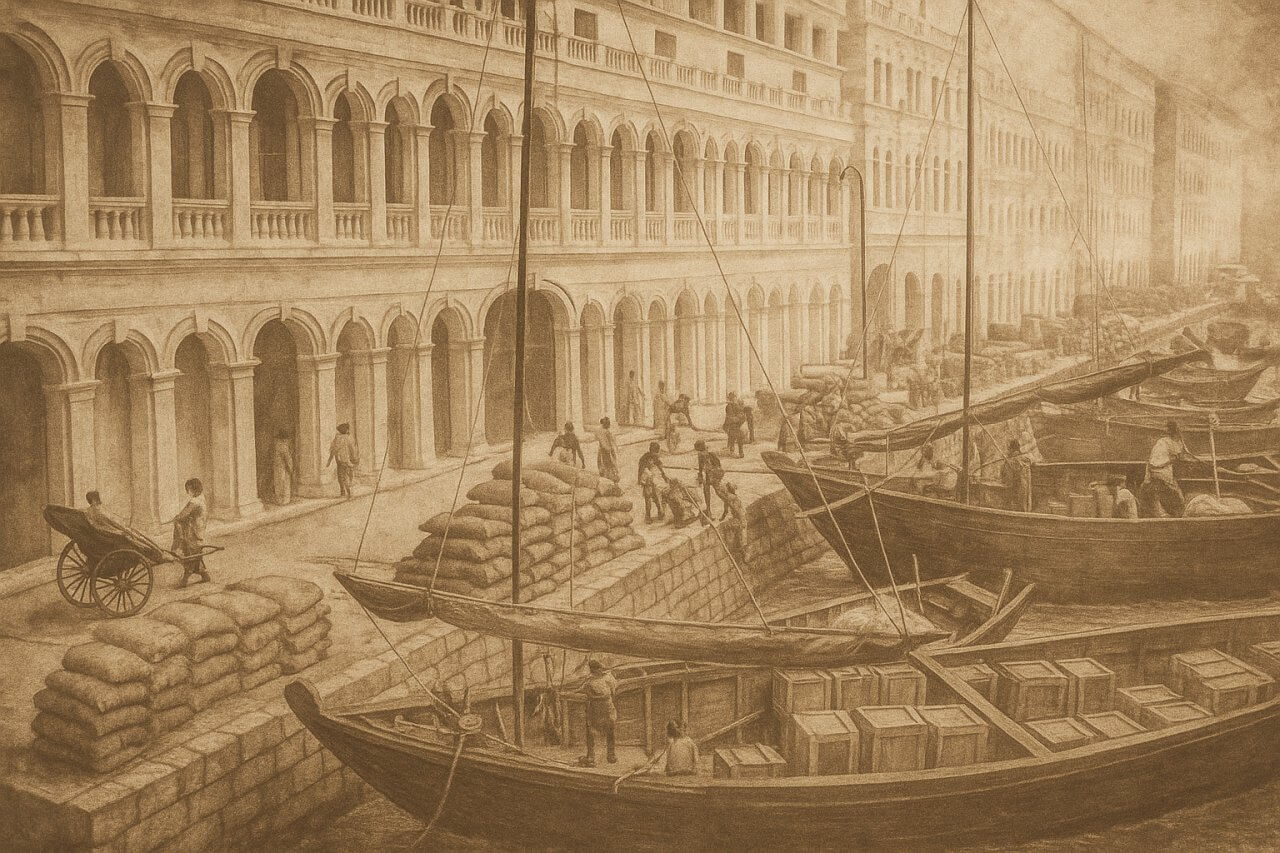 Penang History (AI Generated Image from Photograph)
Page Details
This page was created on 8 August 2025.Famous People of Penang
Want to share your Penang travel experiences or get tips from fellow travellers?
Join the Penang Travel Tips Facebook GroupUseful guides for visiting Penang
My Videos of Penang
 Latest Pages & Updates
Buy Me A Coffee
If you enjoy the information I provide and want to support the work I do, please buy me a coffee! I appreciate it immensely, thank you so much!
