
Whitcomb Street, London
A Small Street with a Big Story
Tucked between two of London's most famous public spaces, Whitcomb Street may be short in distance, but it is long in character, history, and significance.This historic street provides an atmospheric transition between Trafalgar Square and Leicester Square, surrounded by some of London's most iconic attractions.
Where is Whitcomb Street?
Whitcomb Street runs through the heart of London's West End, within the City of Westminster.It lies between Trafalgar Square to the south and Coventry Street to the north, placing it at the crossroads of cultural, artistic, and tourist activity.
How Long is Whitcomb Street?
Despite its central location, Whitcomb Street is relatively short.It measures approximately 250 metres (820 feet) in length, making it a brief but significant passage in one of London's busiest districts.
The History of Whitcomb Street
Whitcomb Street has roots dating back to the late 17th and early 18th centuries.The area was once part of the grounds of Leicester House, a grand residence that gave Leicester Square its name. As the West End evolved, Whitcomb Street developed as an important thoroughfare serving the growing city.
It gained prominence due to its proximity to important sites such as the National Gallery and the theatres and entertainment venues that sprang up around Leicester Square in the Victorian era.
Map of Whitcomb Street, London
Origin of the Name and Pronunciation
The name "Whitcomb" is thought to derive from a family name, possibly linked to the Whitcomb family who owned land in the area centuries ago.Interestingly, Whitcomb is typically pronounced "Wit-come" /ˈwɪtkəm/ rather than pronouncing the "h" or "b."
This pronunciation, dropping the “h” and “b,” is a typical feature in many English place names.
Roads Connected to Whitcomb Street
Several important roads connect with Whitcomb Street, giving it both prominence and accessibility. These include:- Coventry Street (at its northern end)
- Pall Mall East
- Panton Street
- Trafalgar Square (at its southern end)
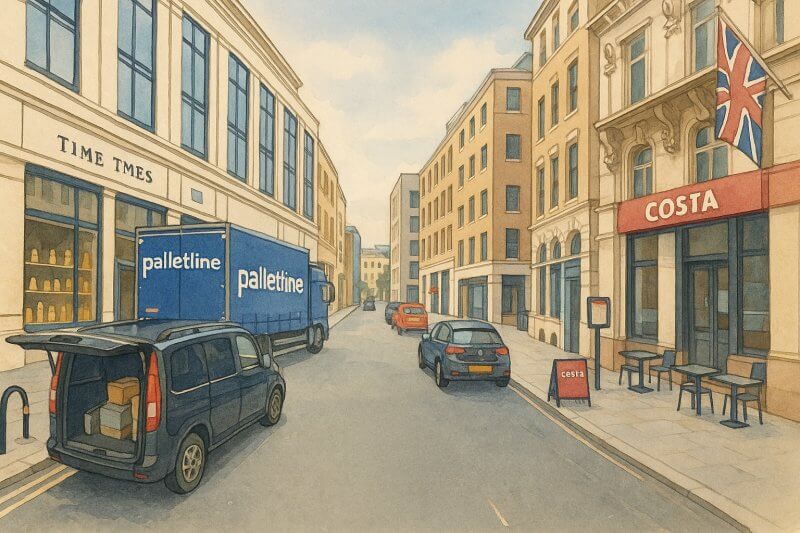
Painting of Whitcomb Street (View full-size image here)
Major Buildings and Sites Along Whitcomb Street
Despite its short length, Whitcomb Street boasts several major sites and points of interest:- The National Portrait Gallery – Although the entrance faces St Martin's Place, the building extends along Whitcomb Street, anchoring the street's cultural significance.
- Thistle London Trafalgar Square Hotel – A popular hotel offering quick access to the heart of London's sights.
- The London Coliseum – Just a few steps away, it is one of London's largest and most ornate theatres, visible from Whitcomb Street.
Nearest London Underground Stations
Whitcomb Street is exceptionally well served by London's Underground network, with several stations nearby:- Charing Cross Station (Bakerloo and Northern lines) – Just to the south across Trafalgar Square.
- Leicester Square Station (Northern and Piccadilly lines) – A short walk northeast via Coventry Street.
- Piccadilly Circus Station (Bakerloo and Piccadilly lines) – To the west along Coventry Street.
Fun Facts About Whitcomb Street
One fun fact is that while the street itself might seem modest, it plays a starring role in London's cinematic and theatrical history.Because of its location between Trafalgar Square and Leicester Square – both of which are iconic film and event spaces – Whitcomb Street has often been part of red-carpet routes for movie premieres and royal events.
Additionally, during the 19th century, Whitcomb Street was home to the Whitcomb Street Baths, a public bathhouse that served the local population long before most homes had running water.
Today, it remains a hidden but vital artery connecting London's cultural heartbeat.
Conclusion
While many visitors rush between Trafalgar Square and Leicester Square without giving it much thought, Whitcomb Street quietly holds its place as an important piece of London's historical and cultural puzzle.Short, lively, and steeped in history, it offers a fascinating glimpse into the evolution of London's West End.
Whether you're heading to a gallery, a theatre, or simply wandering through the city's historic core, taking a moment to appreciate Whitcomb Street adds another layer to the rich tapestry of London life.
Moving to London?
New to London and need a place to live? Read our Renting A Flat Guide. This guide covers everything you need to know about renting a flat in London, from viewing to signing.Streets of London
Come, let's explore and discover the streets of London together! Listed here afre the Streets of London that I have documented. Dive in and discover!Map of Streets in London
View all the streets that I have documented on Google Maps in this Map of Streets in London.Want to share your London travel experiences or get tips from fellow travellers?
Join the London Travel Tips Facebook GroupMore information for visiting London
Here are some related articles to help you get to know London better.- Cost of Living in London: Discover the true cost of living in London, including housing, transport, groceries, and more - plus tips for budgeting in one of the world's most expensive cities.
- Driving in London: Planning to drive in London? Learn about roads, car rentals, parking, tolls, and key tips for tourists and visitors from outside the capital.
- Driving Tips for Visiting London: Thinking of driving to London? Discover the best times to travel, congestion tips, parking apps, breakdown help, and petrol advice for a smoother journey.
- Evolution of London's Streets: Discover the fascinating history of how London's streets developed from ancient footpaths to today's complex network of roads across the capital.
- History of Immigration to London: Discover the rich history of immigration to London, from Huguenots to Bangladeshis, and how diverse communities have shaped the city's vibrant identity.
- How Big Is London Compared to Other World Cities?
- How London's Streets Measure Up: A Global Comparison of Road Widths
- How Streets of London are Named: Discover how London streets get their names, who decides them, and how historic, political, and public influences shape street naming in the capital.
- How the Grosvenor Family Came to Own Much of Mayfair, Belgravia and Pimlico: Explore how the Grosvenor family came to own much of Mayfair, Belgravia, and Pimlico, and learn about their historical connection (or lack thereof) with the British royal family and government.
- Living and working in London
- London's Quiet Collapse: How Living Standards Fell as Costs Skyrockted (1975-2025): Explore how London residents endured rising costs and falling living standards from 1975 to 2025 - from rocketing rents to wage stagnation and inflation.
- Marvel of the London Underground: Discover the history, challenges, and triumphs of the London Underground - the world's first underground railway and a vital transport lifeline for the UK capital since 1863.
- Moving to London: Expat Tips for Settling in Westminster: Essential advice for expats moving to London's Westminster: neighborhood insights, cost of living, transportation, housing, healthcare, schools, and tips to help you feel at home in the heart of the city.
- Places in London that aren't pronounced the way they're spelled
- Shopping in London: Discover London's diverse shopping scene
- Taking the bus in London: This is your complete guide to taking the bus when in London.
- The Anglican Faith: A Visitor's Guide to the Church of England: Learn about the Anglican faith and its deep ties to London's landmarks like Westminster Abbey and St Paul's Cathedral.
- Top 10 London Streets Every Visitor Must See: Discover London through its most iconic thoroughfares - 10 streets every visitor must experience. From historic Abbey Road to vibrant Camden High Street, explore culture, shopping, and hidden gems.
- Why are most roads in Central London so narrow? Learn why there are so few multi-lane roads and elevated highways in the heart of the city.
 Latest Pages & Updates
Buy Me A Coffee
If you enjoy the information I provide and want to support the work I do, please buy me a coffee! I appreciate it immensely, thank you so much!
