
Hen Thean Seong Tay Temple
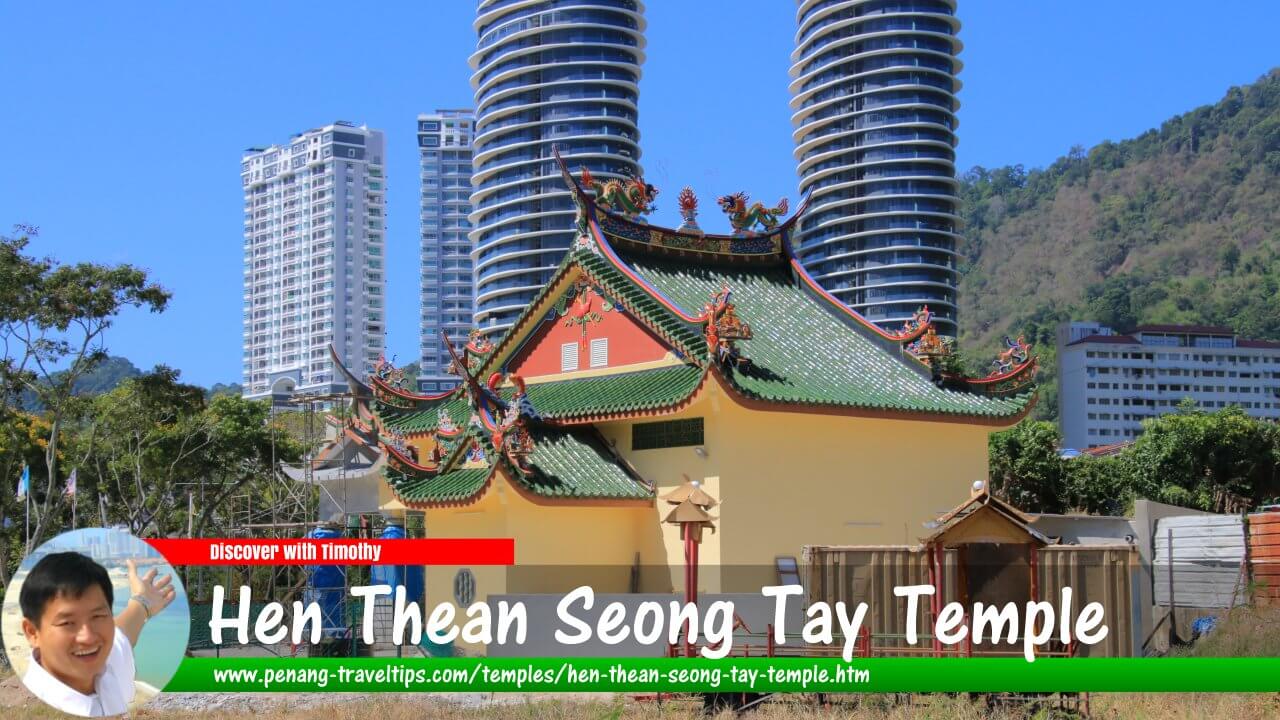 Hen Thean Seong Tay Temple, Bukit Gambir, Penang (24 February 2020)
Hen Thean Seong Tay Temple (槟城双溪赖湖仔内廣福宫玄武山; GPS: 5.3618, 100.2946), or Guang Fu Gong Xuan Wu Shan is a Chinese temple in Bukit Gambir, Penang. Nesled in the tranquil landscape, it stands as a significant spiritual and cultural landmark for the local Chinese community in Penang. This temple is a place of worship and a vibrant hub for traditional Chinese folk religion, particularly Taoism. Its name, which translates to the "Mysterious Warrior Mountain Guang Fu Palace," hints at its primary deity and its location. It's an essential site that preserves and promotes traditional religious practices, offering devotees a place for prayer, consultation, and community gathering. The temple is officially located at Lot 10034, Mukim 13, Jalan Bukit Gambir, 11700 Gelugor, Penang, and its presence is a testament to the enduring faith and rich cultural heritage of the area.
Quick Facts
- Official Name (Chinese): 槟城双溪赖湖仔内廣福宫玄武山
- Official Name (Pinyin): Bīnchéng Shuāngxī Lài Hú Zǐ Nèi Guǎngfú Gōng Xuánwǔ Shān
- Official Name (English/Malay): Hen Thean Seong Tay Temple / Guang Fu Gong Xuan Wu Shan
- Primary Deity: Xuan Tian Shang Di (玄天上帝) or Heavenly Emperor, the Mysterious Warrior, also known as Pak Kek Hean Tian Seong Tay.
- Location: Bukit Gambir, Gelugor, Penang, Malaysia.
- Address: Lot 10034, Mukim 13, Jalan Bukit Gambir, 11700 Gelugor, Penang.
- Religious Tradition: Taoism and Chinese folk religion.
- Significance: A vital spiritual and community center for the local Chinese population.
- Annual Event: The celebration of Xuan Tian Shang Di’s Divine Birthday (3rd day of the 3rd lunar month).
The temple's origins are rooted in the early history of the Chinese settlement in this part of Penang, particularly in the Sungai Nibong/Sungai Dua area, of which Bukit Gambir is a part. While the exact date of its founding can be challenging to pinpoint due to the nature of early community temples, its existence speaks to the spiritual needs of the pioneers who worked and settled in the surrounding agricultural and developing areas. Temples like Guang Fu Gong often started as simple shrines, growing and developing over decades as the community prospered and the devotee base expanded. The name 廣福宫 (Guang Fu Gong), which means "Palace of Extensive Blessings," reflects the hope and prayers of the early devotees for peace, protection, and prosperity.
The Deity: Xuan Tian Shang Di
The main deity venerated at the temple is Xuan Tian Shang Di (玄天上帝), often translated as the "Heavenly Emperor, the Mysterious Warrior," and locally known in Hokkien as Pak Kek Hean Tian Seong Tay (北極玄天上帝). This powerful Taoist deity is one of the most important gods in the Taoist pantheon, especially revered in the southern Chinese provinces from which many Penang migrants originated. Xuan Tian Shang Di is typically depicted as a majestic, black-robed emperor with long hair, a fearsome mien, and often accompanied by his two companions: the Tortoise and the Snake, symbolizing the north and the power to control the elements. His title, 玄武 (Xuan Wu), or "Mysterious Warrior," is the source of the temple's designation as *Xuan Wu Shan* or Mysterious Warrior Mountain.
Devotees seek his blessings for a wide array of reasons. He is renowned for his ability to control the evil spirits, suppress demons, and provide protection from calamities and disasters. Historically, he was a deity worshipped by sailors and fishermen for safe passage across the seas, an important function for an island community like Penang. Today, he is primarily sought for good health, prosperity, and the removal of obstacles. The temple's consultation sessions, where spiritual advice and guidance are offered, are a key draw for many believers seeking solutions to life's challenges, reinforcing the temple's role as a source of spiritual and communal support.
Architecture and Features
The current structure of the Hen Thean Seong Tay Temple, a result of various phases of renovation and expansion, showcases typical features of southern Chinese temple architecture adapted to the local environment. The layout is generally traditional, incorporating a main prayer hall, side halls, and sometimes a courtyard. Key architectural elements that stand out include:
- Roofs and Ridges: The roof lines are often adorned with intricate ceramic and plasterwork carvings, featuring mythical creatures like dragons, phoenixes, and immortal figures. These serve not only as decoration but also as symbolic protectors of the temple. The bright, vibrant colours typical of Penang temples add to their lively, welcoming atmosphere.
- Pillars and Columns: The entrance and main hall are usually flanked by majestic stone or concrete columns, often carved with twisting dragons (known as Long Zhu or Dragon Pillars). These are significant artistic features, requiring high levels of craftsmanship.
- Altars and Deities: The main altar is dedicated to Xuan Tian Shang Di, often housing his large central effigy, surrounded by smaller statues of his subordinates and attending deities. Side altars typically pay homage to other important figures in the Chinese pantheon, such as the Goddess of Mercy (Guan Yin), the God of Wealth (Cai Shen), and various Earth Deities, reflecting the syncretic nature of Chinese folk religion.
The temple's location at Bukit Gambir, away from the bustling urban center of George Town, offers a more serene and contemplative environment. It maintains the character of a community temple, integrated into the residential landscape of Gelugor.
Cultural Significance and Festivals
Beyond its function as a place of worship, the Hen Thean Seong Tay Temple is a custodian of local culture and traditions. It acts as a focal point for the preservation of Mazu and Taoist rituals, traditional Chinese arts, and community cohesion.
Key Annual Events
The most important event in the temple's calendar is the celebration of the Divine Birthday of Xuan Tian Shang Di, which falls on the 3rd day of the 3rd month of the lunar calendar. This multi-day festival is marked by:
- Elaborate Rituals: Taoist priests conduct special ceremonies to pay homage to the deity and seek his blessings.
- Street Processions: Large-scale processions sometimes take place, with the deity's sedan chair carried through the neighbourhood, accompanied by lion and dragon dances, stilt walkers, and traditional music. This event is a spectacular display of cultural vitality.
- Feasts and Charity: Community meals are often organized, and the temple may use the occasion to engage in charitable activities, distributing aid to the needy and elderly, which underscores the temple's commitment to social welfare.
Other major Chinese festivals, such as the Lunar New Year, the Hungry Ghost Festival (7th lunar month), and the Nine Emperor Gods Festival (9th lunar month), are also observed here, drawing large crowds of local and sometimes international devotees. The continuous operation of the temple, its maintenance, and its ability to host these large-scale events rely heavily on the efforts of the dedicated temple committee and the generous donations of the devotees, demonstrating a strong spirit of community stewardship.
In conclusion, the Hen Thean Seong Tay Temple is more than just a religious building; it is a living testament to the enduring faith and cultural identity of the Chinese community in Gelugor, Penang. Its dedication to the powerful Xuan Tian Shang Di, its intricate architecture, and its role as a communal and spiritual anchor make it an invaluable piece of Penang's cultural mosaic. It continues to stand on Bukit Gambir as a beacon of blessings and a repository of cherished traditions for generations to come.
Hen Thean Seong Tay Temple is  on the Map of Jalan Bukit Gambir, Penang
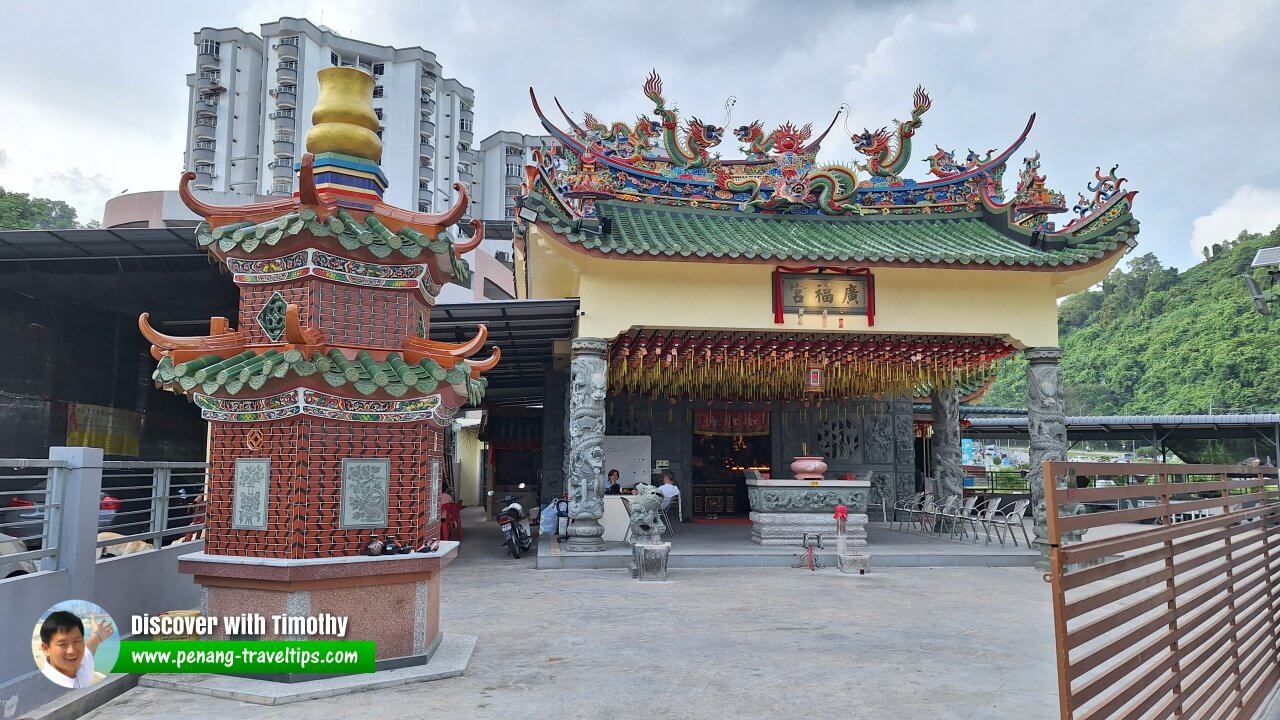 Hen Thean Seong Tay Temple, Bukit Gambir, Penang (27 September 2025)
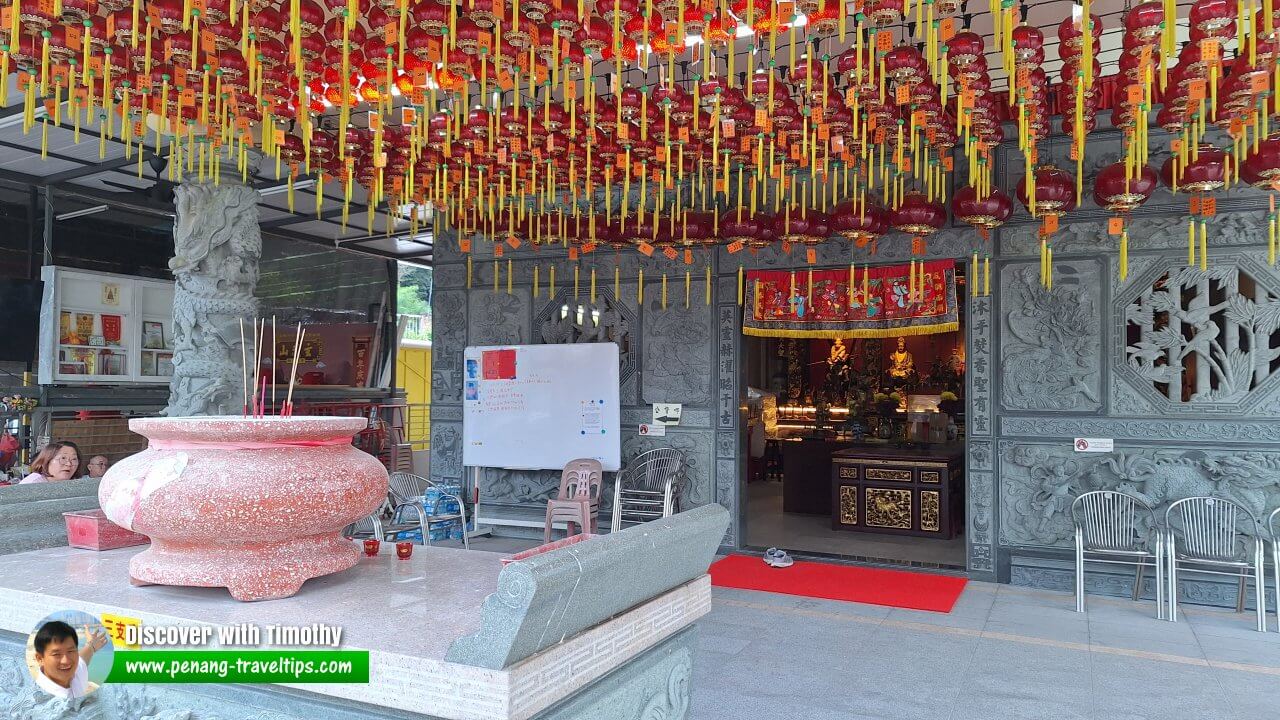 Hen Thean Seong Tay Temple, Bukit Gambir, Penang (27 September 2025)
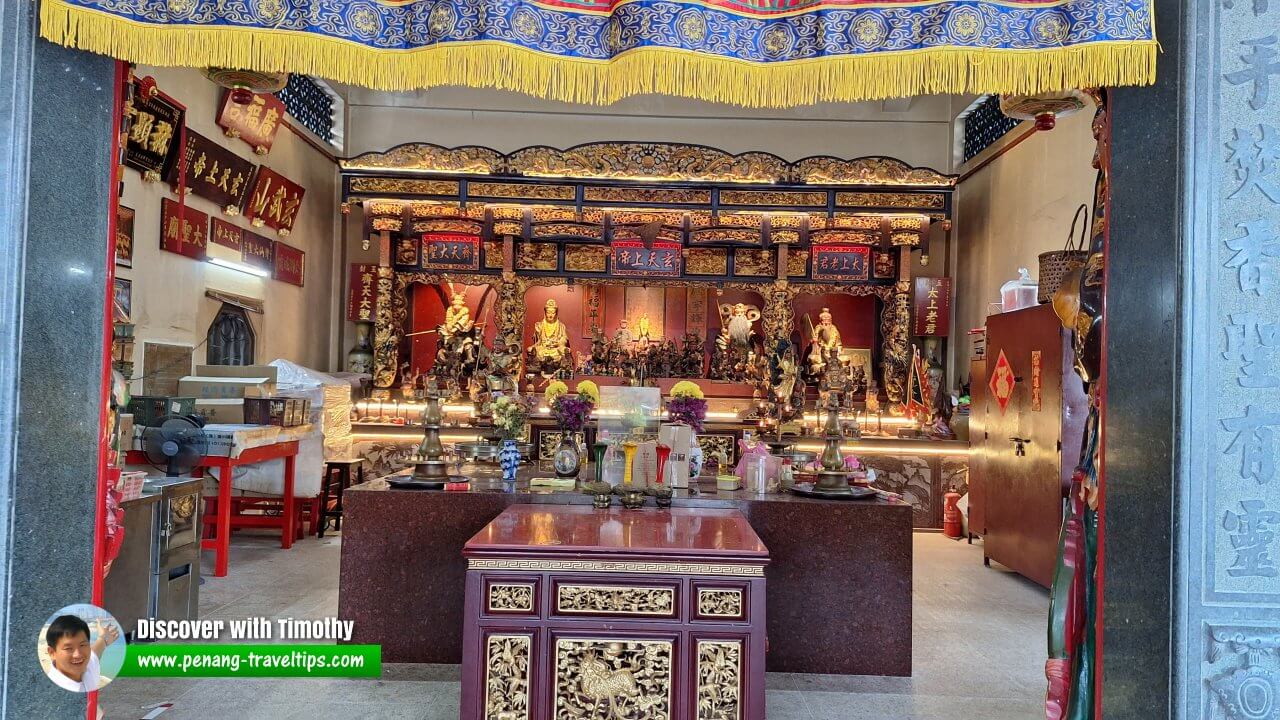 Hen Thean Seong Tay Temple, Bukit Gambir, Penang (27 September 2025)
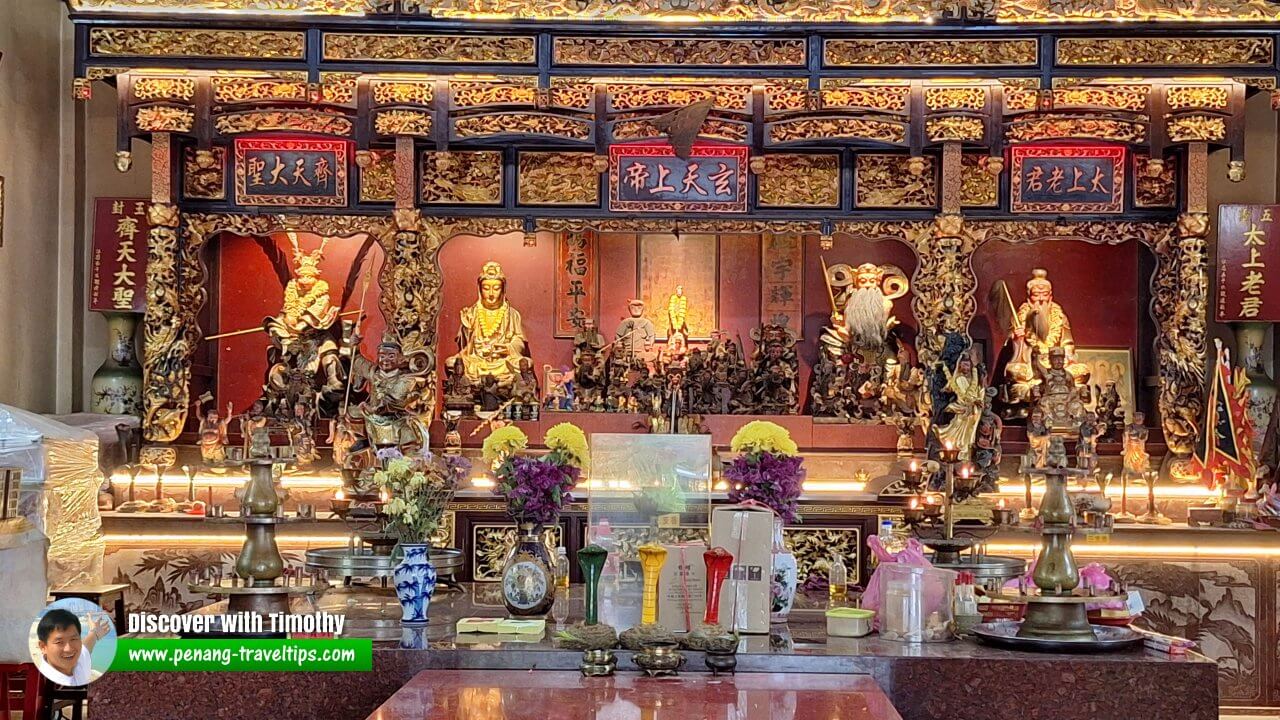 Hen Thean Seong Tay Temple, Bukit Gambir, Penang (27 September 2025)
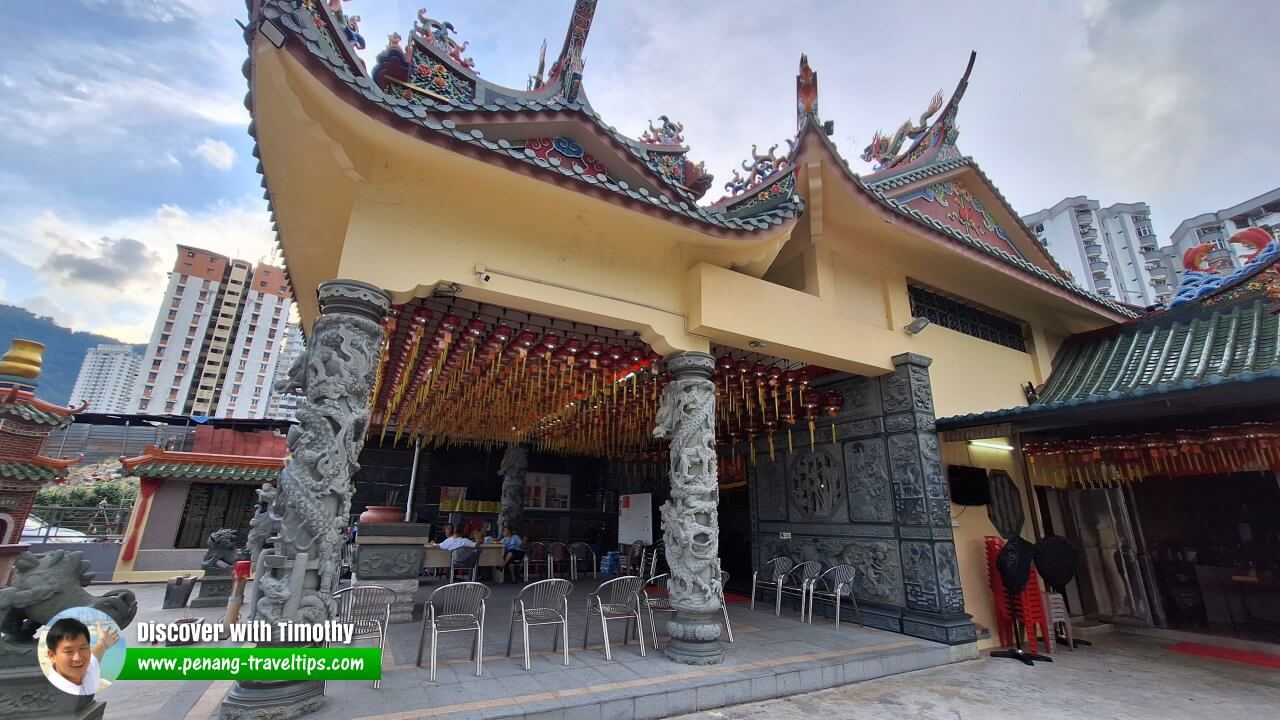 Hen Thean Seong Tay Temple, Bukit Gambir, Penang (27 September 2025)
Hen Thean Seong Tay Temple under construction
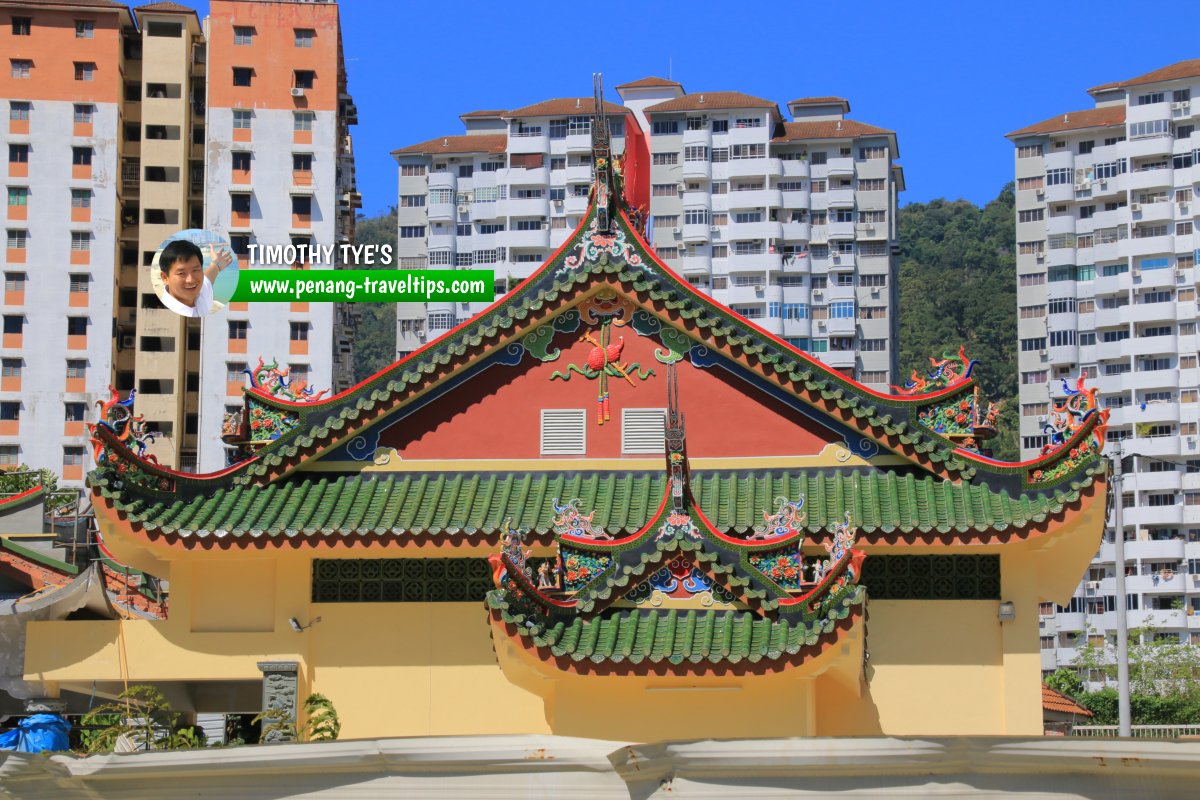 Bukit Gambir Kong Hock Keong under construction (24 February 2020)
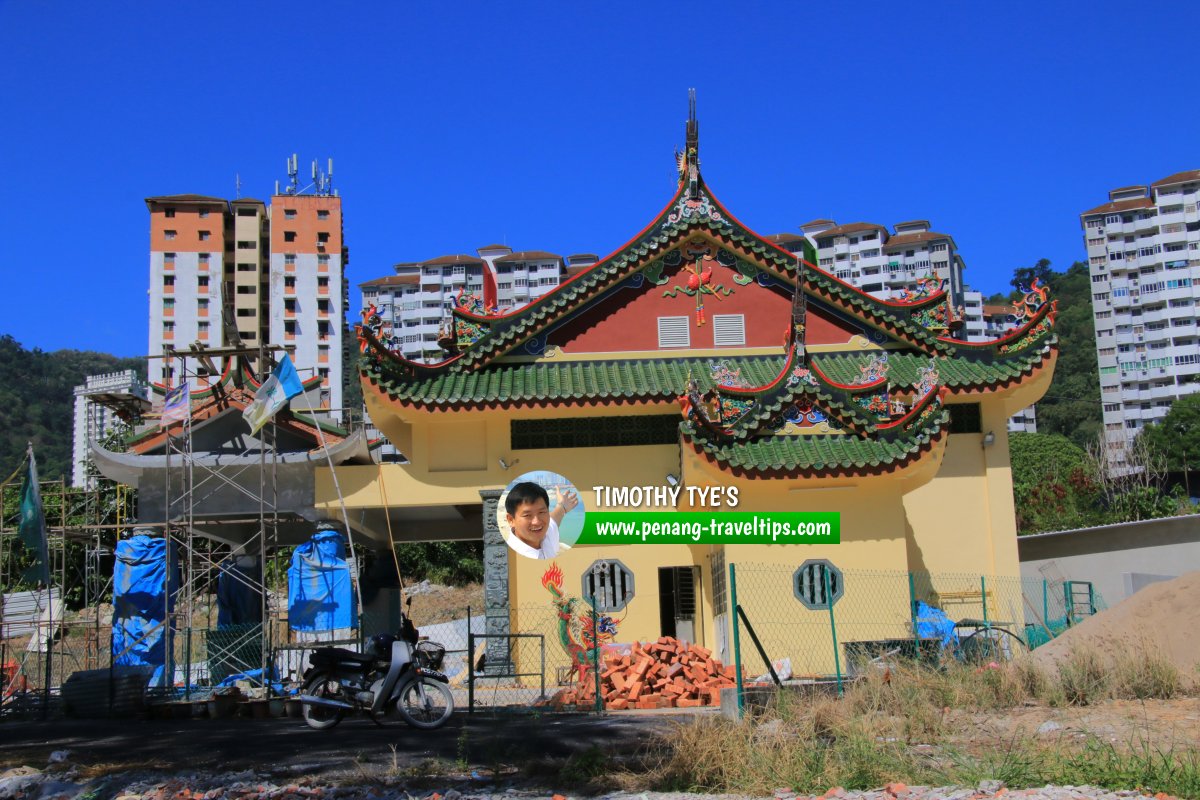 Bukit Gambir Kong Hock Keong under construction (24 February 2020)
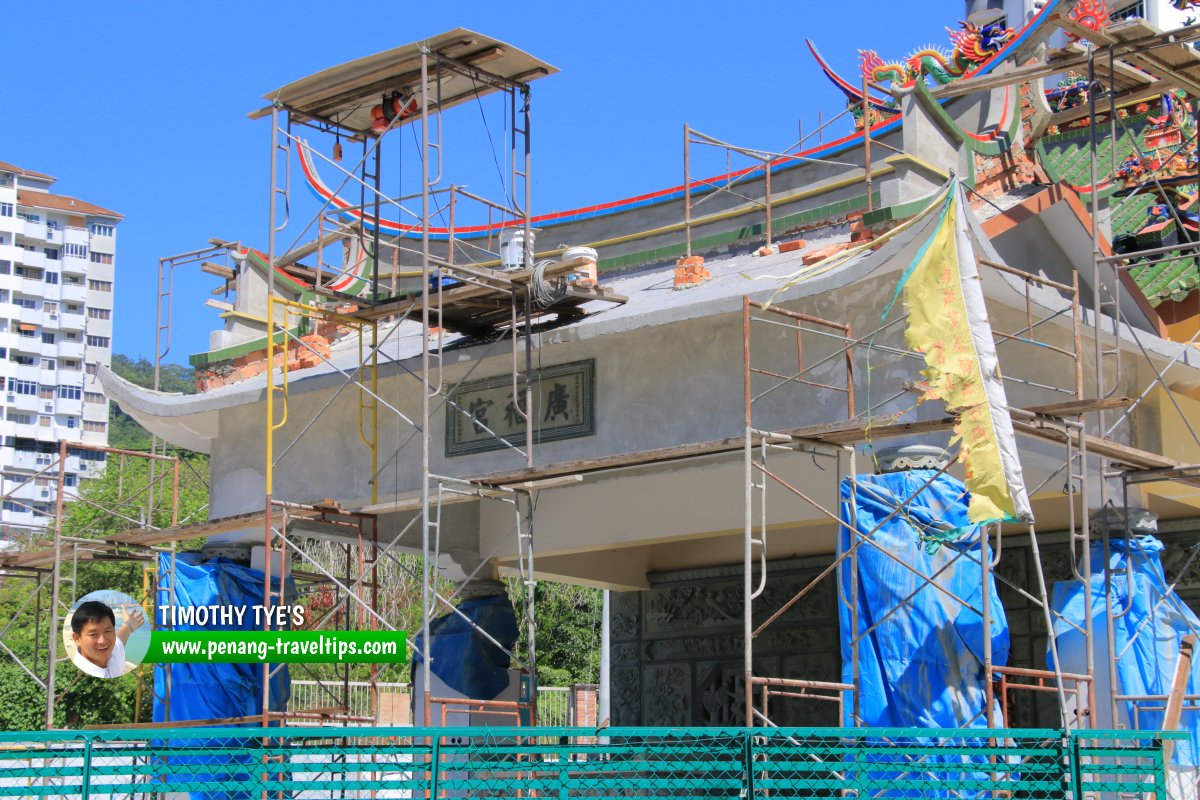 Bukit Gambir Kong Hock Keong under construction (24 February 2020)
References
- Waze. *Driving directions to 玄武山广福宫 玄天上帝 Hen Thean Seong Tay Temple*.
- Taoism.com.my. *Penang Teong Leng Keong Jelutong Seong Tay Kong*.
Page Details
This page was created on 27 September 2025. Hi, my name is Timothy and created it from my research, for my own entertainment, knowledge and to satisfy my curiosity. I am providing the information to you in good faith and hope it is useful. I try to get the details as accurate as possible. I also try to update the page whenever I stumble on new details. So this and all my other pages are perpetual work in progress. If you discover any error, please politely inform me, pointing out where the error lies, and I will correct it as soon as possible. Your helpfulness will keep this page accurate, relevant and helpful to those who need the information.List of Chinese Temples in Penang and Chinese Temples in Malaysia
Want to share your Penang travel experiences or get tips from fellow travellers?
Join the Penang Travel Tips Facebook GroupUseful guides for visiting Penang
My Videos of Penang
 Latest Pages & Updates
Buy Me A Coffee
If you enjoy the information I provide and want to support the work I do, please buy me a coffee! I appreciate it immensely, thank you so much!
