
United Kingdom Travel Guide
 Go Back
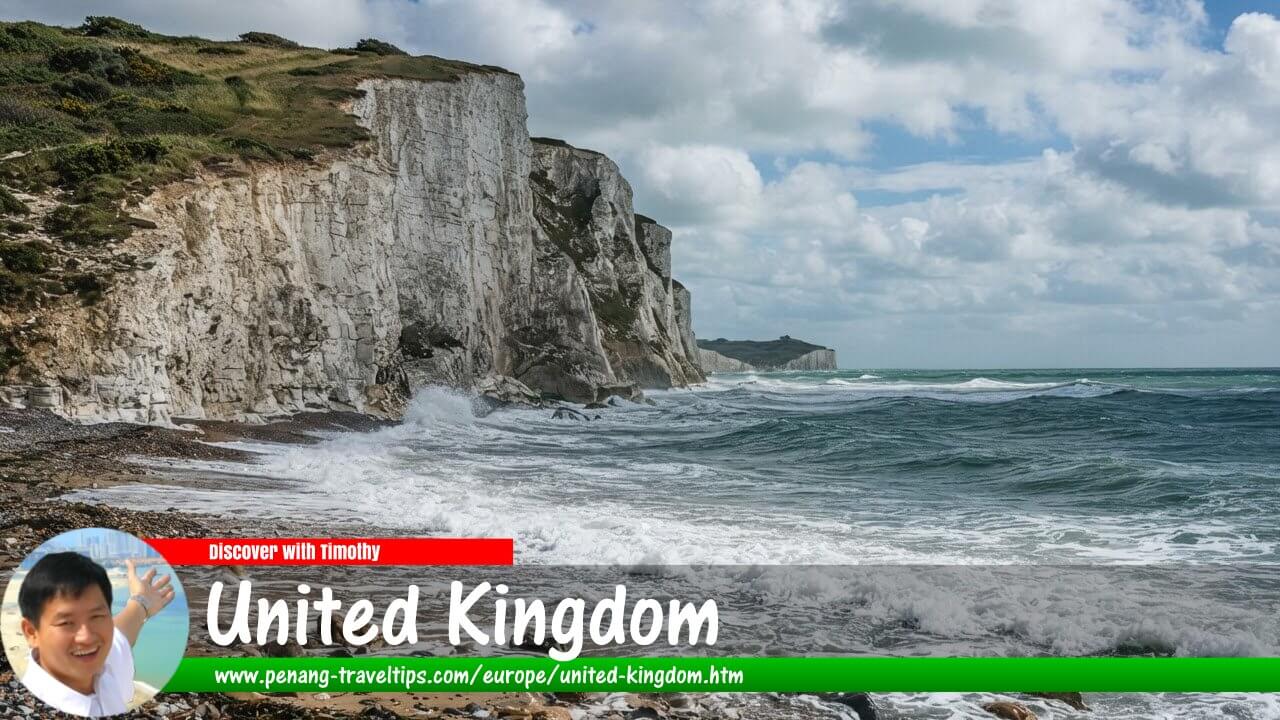 United Kingdom Travel Guide (AI Image generated on 26 August 2026)
Also available: Panduan Melawat United Kingdom
United Kingdom – Geography, History and Overview
The United Kingdom, officially the United Kingdom of Great Britain and Northern Ireland, is a country in northwestern Europe. It consists of four constituent countries: England, Scotland, Wales and Northern Ireland. The United Kingdom is one of the world's most historically influential countries and is a major destination for culture, history, architecture, nature and education.
For travellers, the United Kingdom offers remarkable variety. London is a global city with world-famous museums, palaces and landmarks, while Scotland is known for its dramatic mountains and lochs, Wales for its castles and rugged landscapes, and Northern Ireland for its coastline, historic towns and natural attractions.
United Kingdom and Great Britain
The terms United Kingdom and Great Britain are not interchangeable. Great Britain is the large island comprising England, Scotland and Wales. The United Kingdom consists of Great Britain together with Northern Ireland.
The full official name, United Kingdom of Great Britain and Northern Ireland, reflects this distinction.
Countries of the United Kingdom
The United Kingdom comprises four constituent countries: England, Scotland, Wales and Northern Ireland. Each has its own distinctive history, cultural traditions and landscapes.
England
England is the largest and most populous of the four countries. Its capital, London, is also the capital of the United Kingdom and its largest city.
England contains many of the United Kingdom's best-known attractions, including historic cities, royal palaces, medieval towns, university cities and extensive countryside.
Scotland
Scotland occupies the northern part of Great Britain. Its capital is Edinburgh, while Glasgow is its largest city.
Scotland is famous for its Highlands, lochs, islands, castles, whisky, distinctive cultural traditions and dramatic scenery.
Wales
Wales occupies the western part of Great Britain and has Cardiff as its capital. The country is known for its mountains, coastline, castles and national parks.
Wales also has its own language, Welsh, which is widely visible on signs alongside English.
Northern Ireland
Northern Ireland occupies the northeastern part of the island of Ireland. Its capital and largest city is Belfast.
Northern Ireland is known for its rugged coastline, historic sites, green countryside and attractions such as the Giant's Causeway.
Great Britain
Great Britain is the name of the island containing England, Scotland and Wales. It is the largest island in the British Isles.
Great Britain should therefore not be used as a geographical term for the entire United Kingdom because Northern Ireland is not located on the island of Great Britain.
The British Isles
The British Isles is a geographical term referring to the group of islands that includes Great Britain, the island of Ireland and many smaller islands.
The term can be politically sensitive in Ireland, so visitors should generally use the more specific geographical names United Kingdom, Great Britain or island of Ireland when appropriate.
Location of the United Kingdom
The United Kingdom lies off the northwestern coast of continental Europe. It is separated from France by the English Channel and from mainland Europe by the North Sea.
The country has coastlines facing the Atlantic Ocean, North Sea, English Channel and Irish Sea.
Geography of the United Kingdom
The geography of the United Kingdom is remarkably varied for a relatively compact country. It includes mountains, rolling hills, fertile farmland, forests, rivers, lakes, cliffs, beaches and islands.
The landscapes change considerably from the south of England to the Scottish Highlands and from the Welsh mountains to the coastline of Northern Ireland.
England's Geography
Much of England consists of lowlands and gently rolling countryside, although there are substantial upland areas in the north and west.
The Lake District, Yorkshire Dales, Peak District and Cotswolds are among the country's best-known landscapes.
Scotland's Geography
Scotland has some of the United Kingdom's most mountainous and dramatic scenery. The Scottish Highlands contain rugged mountains, deep valleys and numerous lochs.
Scotland also includes hundreds of islands, including the Hebrides, Orkney and Shetland Islands.
Wales' Geography
Wales is predominantly mountainous and has an extensive coastline. Snowdonia, now officially known as Eryri National Park, contains Wales's highest mountain, Yr Wyddfa, traditionally known in English as Snowdon.
Wales also has several other national parks and long stretches of protected coastline.
Northern Ireland's Geography
Northern Ireland has a mixture of mountains, valleys, farmland, lakes and coastline. The Mourne Mountains are among its best-known upland areas.
Lough Neagh is the largest freshwater lake by surface area in the British Isles.
Rivers of the United Kingdom
The United Kingdom has numerous rivers, many of which played an important role in the development of towns and cities.
The River Thames flows through London and is perhaps the country's best-known river. Other important rivers include the Severn, Trent, Mersey, Tyne and Clyde.
Lakes and Lochs
Large bodies of inland water are found throughout the United Kingdom. In Scotland, these are commonly called lochs, while in England and Wales they are generally called lakes.
Loch Ness is perhaps the world's most famous Scottish loch because of the legendary Loch Ness Monster.
Highest Mountain
Ben Nevis in Scotland is the highest mountain in the United Kingdom, rising to 1,345 metres above sea level. It is located near the town of Fort William and is a popular destination for hikers.
Climate of the United Kingdom
The United Kingdom has a generally temperate maritime climate. Weather is influenced strongly by the surrounding seas and the country's position in the North Atlantic.
Conditions can change quickly, and rain is possible throughout the year. Visitors should therefore be prepared for changing weather even during the warmer months.
Summer in the United Kingdom
Summer generally lasts from June to August. Temperatures are usually mild to warm rather than tropical, although occasional heatwaves can occur.
Summer is a popular period for sightseeing because daylight hours are long, especially in northern Scotland.
Winter in the United Kingdom
Winter generally lasts from December to February. Days are shorter and temperatures are lower, particularly in Scotland and upland areas.
Snow can occur, especially in northern and mountainous areas, although much of lowland Britain does not experience persistent snow every winter.
Spring in the United Kingdom
Spring, from around March to May, brings gradually warmer temperatures and longer days. Gardens and parks become particularly attractive as flowers bloom.
Spring can still be cool and wet, so visitors should bring suitable clothing.
Autumn in the United Kingdom
Autumn, from around September to November, is known for changing foliage and cooler weather. Parks, forests and countryside can be especially attractive during this period.
Rain in the United Kingdom
Rain is possible at any time of year. Western and mountainous areas generally receive more rainfall than many parts of southeastern England.
A lightweight waterproof jacket or compact umbrella is therefore useful for travellers.
Daylight Hours
The length of daylight varies considerably throughout the year. In summer, London can have daylight until late in the evening, while northern Scotland experiences exceptionally long summer days.
In winter, the opposite occurs, with considerably shorter daylight hours.
History of the United Kingdom
The modern United Kingdom emerged from a long and complicated history involving different kingdoms, political unions, wars and constitutional developments.
The history of the four constituent countries is much older than the United Kingdom itself, with England, Scotland, Wales and Ireland developing their own political and cultural traditions over many centuries.
Prehistoric Britain
People have inhabited the British Isles for thousands of years. Prehistoric monuments provide evidence of sophisticated societies long before the emergence of the modern states.
Stonehenge in Wiltshire is the most famous prehistoric monument in England and one of the best-known archaeological sites in the world.
Roman Britain
The Roman Empire conquered much of Britain beginning in AD 43. Roman rule lasted for several centuries and left an enduring legacy of roads, towns, forts and other structures.
Hadrian's Wall was constructed across northern England during the Roman period to mark and defend the northern frontier of the Roman Empire.
Anglo-Saxon England
After the Roman withdrawal, various Anglo-Saxon kingdoms developed in what is now England. Over time, several kingdoms emerged as major political powers.
The period contributed significantly to the development of the English language and English political identity.
Norman Conquest
In 1066, William the Conqueror invaded England and defeated King Harold II at the Battle of Hastings.
The Norman Conquest transformed England's political system, aristocracy, architecture and language. Norman castles and churches can still be seen throughout the country.
Medieval England
The medieval period saw the growth of towns, trade, universities and powerful institutions. It was also a period of conflict, including wars between England and neighbouring kingdoms.
Many of Britain's most impressive cathedrals, castles and medieval towns originated during this period.
History of Scotland
Scotland developed as a separate kingdom from England and retained its own monarchy and political institutions for centuries.
Conflicts between England and Scotland were frequent during the medieval period, while figures such as William Wallace and Robert the Bruce became important symbols in Scottish history.
History of Wales
Wales consists of several historic regions that were gradually brought under English control during the medieval period.
Edward I constructed a series of enormous castles in Wales, several of which survive today and are major tourist attractions.
History of Ireland and Northern Ireland
The history of Northern Ireland is closely connected with the wider history of the island of Ireland and the relationship between Ireland and Britain.
The political and religious conflicts of the twentieth century had a profound impact on Northern Ireland and remain an important part of its modern history.
Union of the Crowns
In 1603, the crowns of England and Scotland were united when James VI of Scotland also became James I of England.
England and Scotland nevertheless remained separate kingdoms with their own parliaments and legal systems for another century.
Act of Union 1707
The Acts of Union 1707 united the kingdoms of England and Scotland into the Kingdom of Great Britain.
The union created a single Parliament at Westminster while Scotland retained important elements of its separate legal and educational systems.
Act of Union 1801
In 1801, Great Britain and the Kingdom of Ireland were united to form the United Kingdom of Great Britain and Ireland.
Most of Ireland later became independent in the early twentieth century, while Northern Ireland remained part of the United Kingdom.
Formation of the United Kingdom
The present name, United Kingdom of Great Britain and Northern Ireland, came into use in 1927 following the establishment of the Irish Free State and the continued inclusion of Northern Ireland within the United Kingdom.
Industrial Revolution
The United Kingdom played a central role in the Industrial Revolution, which began in Britain during the eighteenth century.
New technologies, factories, steam power, coal mining, iron production and expanding transportation networks transformed the economy and society.
British Empire
During the eighteenth, nineteenth and early twentieth centuries, Britain developed an extensive empire spanning many parts of the world.
The empire had a profound and often complicated impact on global history, influencing politics, economics, languages, migration and culture across continents.
World War I
The United Kingdom participated in World War I from 1914 to 1918. The war caused enormous loss of life and had major social and economic consequences for Britain.
World War II
The United Kingdom played a major role in World War II. Britain declared war on Germany in 1939 and became one of the principal Allied powers.
The Battle of Britain, the Blitz and the leadership of Prime Minister Winston Churchill are important parts of the country's wartime history.
Post-war United Kingdom
After World War II, the United Kingdom underwent major social and economic changes. The country also oversaw the gradual dissolution of much of the British Empire and the emergence of many independent nations.
The post-war period saw the development of the welfare state, the National Health Service and significant changes in British society.
Modern United Kingdom
The United Kingdom remains a major economic, cultural and political centre. London is one of the world's leading cities, while British universities, museums, music, literature and popular culture have a global influence.
The country is also a popular destination for international students and tourists.
London
London is the capital of both England and the United Kingdom. It is by far the country's largest city and a major centre for finance, business, government, culture and tourism.
Among its many attractions are Buckingham Palace, the Tower of London, Westminster Abbey, the Houses of Parliament, the British Museum and the London Eye.
Edinburgh
Edinburgh is the capital of Scotland and one of Britain's most historic cities. Its Old Town and New Town together form a UNESCO World Heritage Site.
Edinburgh Castle dominates the city's skyline and is one of Scotland's most important landmarks.
Glasgow
Glasgow is Scotland's largest city and is known for its architecture, museums, music and cultural life.
Cardiff
Cardiff is the capital of Wales. Its attractions include Cardiff Castle, the National Museum Cardiff and Cardiff Bay.
Belfast
Belfast is the capital of Northern Ireland. The city is associated with shipbuilding, political history and the Titanic.
Titanic Belfast is a major visitor attraction located on the site where the RMS Titanic was built.
Other Major Cities
Beyond the four national capitals, the United Kingdom has many cities with their own distinctive character. Manchester, Liverpool, Birmingham, Bristol, Leeds, York, Bath, Cambridge, Oxford, Newcastle upon Tyne and Nottingham are among the best known.
Oxford
Oxford is famous for the University of Oxford, historic college buildings and its long association with scholarship and education.
Cambridge
Cambridge is home to the University of Cambridge and is renowned for its historic colleges, river scenery and academic tradition.
Bath
Bath is known for its Roman Baths, Georgian architecture and historic association with natural hot springs. The entire city is a UNESCO World Heritage Site.
York
York is a historic city in northern England. Its medieval city walls, narrow streets and York Minster make it a popular destination for visitors interested in history and architecture.
Liverpool
Liverpool is famous for its maritime heritage, museums, football clubs and its association with The Beatles.
Manchester
Manchester played an important role in the Industrial Revolution and is now known for culture, music, universities and football.
National Parks
The United Kingdom has numerous national parks protecting landscapes and providing opportunities for walking, hiking, cycling and other outdoor activities.
Notable national parks include the Lake District, Peak District, Yorkshire Dales, North York Moors, New Forest, Dartmoor, Exmoor, Eryri and the Brecon Beacons.
Coastline
The United Kingdom has an extensive and varied coastline. Cliffs, sandy beaches, fishing villages, rocky shores and islands provide many opportunities for sightseeing.
The coast is particularly dramatic in parts of Cornwall, Wales, Scotland and Northern Ireland.
Islands
Besides Great Britain and Northern Ireland, the United Kingdom includes numerous islands. Some of the best known include the Isle of Wight, Isle of Man's neighbouring island jurisdictions notwithstanding, Anglesey, the Isle of Skye, the Orkney Islands, Shetland Islands and Hebridean islands.
It is worth noting that the Isle of Man and the Channel Islands are not part of the United Kingdom. They are Crown Dependencies with their own governments and legal systems.
Why Visit the United Kingdom?
The United Kingdom is particularly attractive to travellers who enjoy history, architecture, museums, literature, music, royal heritage, countryside and city life.
Its compact geography also makes it possible to combine several very different destinations in a single trip.
Travel Experience
A journey through the United Kingdom can range from exploring the museums and historic buildings of London to hiking through the Scottish Highlands, visiting medieval castles in Wales or travelling along the spectacular coast of Northern Ireland.
Although the country is relatively small compared with many major travel destinations, its long history and geographical variety provide an unusually large range of experiences for visitors.
Places to Visit in England
England is the largest and most populous country within the United Kingdom and contains an extraordinary variety of places to visit. London provides the country's greatest concentration of major attractions, while historic cities, university towns, seaside resorts, national parks and picturesque villages offer very different experiences beyond the capital.
London
London deserves several days because of the sheer number of attractions, museums, historic buildings, parks, shopping districts and neighbourhoods to explore. The River Thames runs through the heart of the city, with many of its most recognisable landmarks located nearby.
Westminster
Westminster is the political and ceremonial heart of London. It contains the Houses of Parliament, Big Ben, Westminster Abbey, Buckingham Palace and several important government buildings.
Houses of Parliament
The Palace of Westminster is home to the Parliament of the United Kingdom. Its distinctive Gothic Revival architecture makes it one of London's most recognisable landmarks.
Big Ben
Big Ben is the nickname commonly given to the great bell inside the Elizabeth Tower. The tower stands beside the Houses of Parliament and is one of the most photographed sights in London.
Westminster Abbey
Westminster Abbey is one of Britain's most important religious and historic buildings. Kings and queens have been crowned here for centuries, and many notable figures from British history are buried or commemorated within the abbey.
Buckingham Palace
Buckingham Palace is the official London residence of the British monarch. The palace is particularly famous for the Changing of the Guard, a ceremonial event that attracts large numbers of visitors.
Tower of London
The Tower of London is a historic fortress on the River Thames. It has served variously as a royal palace, prison, armoury and treasury. It is also home to the Crown Jewels.
Tower Bridge
Tower Bridge is one of London's most recognisable bridges. Its two towers and bascule sections have made it a favourite subject for photographs, particularly when viewed from the riverside.
British Museum
The British Museum houses an enormous collection covering human history, art and culture from different parts of the world. Admission to the permanent collection is generally free, although special exhibitions may charge an entrance fee.
Natural History Museum
The Natural History Museum is one of London's best-known museums. Its collections cover subjects such as dinosaurs, fossils, geology, animals and the natural world.
Victoria and Albert Museum
The Victoria and Albert Museum, commonly known as the V&A, focuses on art, design and decorative arts. It contains collections from many cultures and historical periods.
National Gallery
The National Gallery in Trafalgar Square houses an important collection of Western European paintings. Its central location makes it easy to combine with other attractions in Westminster and the West End.
National Portrait Gallery
The National Portrait Gallery contains portraits of significant British figures from history and contemporary times. It is located close to the National Gallery in central London.
Trafalgar Square
Trafalgar Square is one of London's best-known public spaces. Nelson's Column stands at its centre, surrounded by fountains, monuments and major cultural institutions.
St Paul's Cathedral
St Paul's Cathedral has dominated the London skyline for centuries. The present cathedral was designed by Sir Christopher Wren after the Great Fire of London destroyed the previous cathedral.
London Eye
The London Eye is a giant observation wheel on the South Bank of the River Thames. Its elevated position provides views across central London.
River Thames
The River Thames is central to London's history and geography. Walking along its banks or taking a river cruise provides views of many major landmarks.
South Bank
The South Bank is a popular riverside area containing cultural venues, restaurants, walking paths and attractions. It is particularly pleasant for an evening stroll.
Covent Garden
Covent Garden is known for its market, shops, restaurants, street performers and theatres. It is particularly lively during the day and evening.
West End
London's West End is one of the world's major theatre districts. Visitors can see musicals, plays and other performances in historic theatres.
Piccadilly Circus
Piccadilly Circus is a famous London intersection recognised for its illuminated advertising displays and the statue commonly known as Eros. It is within walking distance of Soho, Leicester Square and the West End theatres.
Soho
Soho is a lively central London neighbourhood known for restaurants, cafés, entertainment and nightlife. It is also home to a diverse range of international communities.
Chinatown
London Chinatown is centred around Gerrard Street near Leicester Square. It contains Chinese restaurants, bakeries, shops and other businesses.
Camden
Camden is known for its markets, alternative culture, music history, food stalls and distinctive shops. Camden Market is one of the most popular visitor attractions in north London.
Notting Hill
Notting Hill is famous for its colourful houses, Portobello Road Market and annual Notting Hill Carnival. It provides a more residential contrast to the major tourist districts of central London.
Hyde Park
Hyde Park is one of London's largest central parks. It provides open space for walking and relaxation and is connected to Kensington Gardens.
Kensington
Kensington contains several major museums as well as Kensington Palace. The neighbourhood is known for elegant architecture and proximity to Hyde Park.
Greenwich
Greenwich lies along the River Thames in southeastern London. Its attractions include the Royal Observatory, Greenwich Park, the Cutty Sark and the Old Royal Naval College.
Royal Observatory Greenwich
The Royal Observatory Greenwich is associated with the Prime Meridian and the history of astronomy and navigation. Visitors can stand at the historic reference line separating the eastern and western hemispheres.
Windsor
Windsor is a historic town west of London and is best known for Windsor Castle. The castle is one of the principal royal residences and has a history stretching back almost a thousand years.
Stonehenge
Stonehenge is one of England's most famous prehistoric monuments. The arrangement of enormous stones has fascinated archaeologists and visitors for centuries.
Stonehenge is located in Wiltshire and can be visited as a day trip from London or combined with other destinations in southern England.
Bath
Bath is famous for its Roman Baths, Georgian architecture and natural hot springs. The city is a UNESCO World Heritage Site and is one of England's most attractive historic destinations.
Roman Baths
The Roman Baths preserve an ancient bathing complex built around natural hot springs. The site provides insight into life in Roman Britain.
Bristol
Bristol is a historic port city in southwest England with a strong maritime heritage. The city is known for its harbour, architecture, museums, street art and association with the engineer Isambard Kingdom Brunel.
Clifton Suspension Bridge
The Clifton Suspension Bridge spans the Avon Gorge and is one of Bristol's most famous landmarks. It was designed by Isambard Kingdom Brunel and offers impressive views over the surrounding landscape.
Oxford
Oxford is internationally known for the University of Oxford, one of the world's oldest universities. Its historic colleges, libraries and streets make it one of England's most distinctive cities.
University of Oxford
The University of Oxford consists of numerous colleges, many occupying historic buildings. Some colleges allow visitors at specified times, although access can vary.
Cambridge
Cambridge is another historic university city. Its colleges, riverside scenery and traditional architecture make it a popular destination.
Punting on the River Cam
Punting is a traditional Cambridge activity in which visitors travel along the River Cam in a flat-bottomed boat. It provides an unusual view of the university colleges and bridges.
Canterbury
Canterbury is an ancient city in Kent and an important centre of English Christianity. Canterbury Cathedral is one of the country's most significant historic churches and forms part of a UNESCO World Heritage Site.
Brighton
Brighton is a popular seaside city on England's south coast. It is known for Brighton Palace Pier, its beach, independent shops, restaurants and lively cultural scene.
Brighton Palace Pier
Brighton Palace Pier extends into the English Channel and contains amusement rides, food outlets and traditional seaside attractions.
Cornwall
Cornwall occupies the southwestern tip of England and is famous for its rugged coastline, sandy beaches, fishing villages and mild maritime climate.
St Ives
St Ives is a picturesque coastal town known for its beaches, harbour, art galleries and association with British artists.
Land's End
Land's End is the westernmost point of mainland England. Its dramatic cliffs and views over the Atlantic make it one of Cornwall's most popular attractions.
Devon
Devon is another popular southwestern county, known for beaches, countryside, historic towns and the Dartmoor and Exmoor landscapes.
Dartmoor
Dartmoor National Park is characterised by open moorland, granite tors, valleys and ancient archaeological remains. It is popular with walkers and outdoor enthusiasts.
Exmoor
Exmoor National Park extends across parts of Devon and Somerset. Its landscape includes moorland, wooded valleys and spectacular coastal cliffs.
Cotswolds
The Cotswolds are famous for rolling countryside and villages built from distinctive honey-coloured limestone. The region extends across several counties and is one of England's most recognisable rural landscapes.
Castle Combe
Castle Combe is a small village in Wiltshire often described as one of England's prettiest villages. Its stone cottages and quiet streets provide a classic Cotswold-style setting.
Stratford-upon-Avon
Stratford-upon-Avon is the birthplace of William Shakespeare. Visitors can explore buildings associated with the playwright as well as the historic town centre.
Shakespeare
William Shakespeare is widely regarded as one of the greatest writers in the English language. His plays and poems have had an enormous influence on literature and theatre worldwide.
York
York is one of England's most historic cities. Its medieval streets, ancient walls and magnificent York Minster attract visitors throughout the year.
York Minster
York Minster is one of the largest Gothic cathedrals in northern Europe. Its stained glass, stonework and enormous scale make it a major architectural attraction.
The Shambles
The Shambles is a narrow medieval street in central York. Its overhanging timber-framed buildings are among the city's most photographed sights.
Lake District
The Lake District National Park is one of England's most celebrated natural landscapes. It contains mountains, lakes, valleys and picturesque villages.
Windermere
Lake Windermere is England's largest natural lake. Boat trips, walking routes and lakeside villages make it one of the Lake District's most popular areas.
Keswick
Keswick is a popular base for exploring the northern Lake District. It is situated near Derwentwater and surrounded by mountains.
Peak District
The Peak District National Park was Britain's first national park. It combines moorland, limestone valleys, villages and walking routes and is easily accessible from several major cities in northern England.
Yorkshire Dales
The Yorkshire Dales National Park is known for rolling hills, stone walls, waterfalls, limestone landscapes and traditional villages.
North York Moors
The North York Moors National Park combines expansive moorland with a dramatic coastline and historic villages. It is especially attractive for walking and scenic drives.
Hadrian's Wall
Hadrian's Wall stretches across northern England and was constructed by the Romans during the second century. The surviving sections provide an extraordinary glimpse into Roman Britain's frontier.
Newcastle upon Tyne
Newcastle upon Tyne is a major city in northeast England known for its bridges, nightlife, architecture and industrial heritage.
Durham
Durham is a historic city dominated by Durham Cathedral and Durham Castle. The cathedral and castle form a UNESCO World Heritage Site.
Manchester
Manchester grew rapidly during the Industrial Revolution and became a major centre of textile manufacturing. Today it is known for music, culture, universities and football.
Football in Manchester
Manchester is home to two globally recognised football clubs, Manchester United and Manchester City. Football supporters can visit their respective stadiums and museums when open to visitors.
Liverpool
Liverpool has a rich maritime and cultural heritage. Its waterfront, museums, historic buildings and association with The Beatles make it one of northern England's major tourist destinations.
The Beatles
The Beatles formed in Liverpool and became one of the most influential popular music groups in history. Fans can visit locations associated with the band throughout the city.
Liverpool Waterfront
The Liverpool Waterfront contains the Royal Albert Dock and several museums and galleries. The area forms part of Liverpool's historic maritime landscape.
Birmingham
Birmingham is England's second-largest city by population and was a major centre of the Industrial Revolution. It is now an important commercial, cultural and shopping centre.
Nottingham
Nottingham is traditionally associated with the legend of Robin Hood. The city also has a historic castle, caves and a long industrial and commercial history.
Robin Hood
Robin Hood is a legendary outlaw traditionally associated with Sherwood Forest and Nottinghamshire. Although the historical origins of the legend remain uncertain, the story has become one of England's best-known folk traditions.
Cambridge and Oxford Comparison
Oxford and Cambridge are both historic university cities with remarkable architecture and academic traditions. Oxford is closer to London and can be reached relatively easily for a day trip, while Cambridge is particularly known for its river, colleges and punting.
Seaside England
England has a long tradition of seaside holidays. Brighton, Blackpool, Bournemouth, Whitby, Scarborough and several towns in Cornwall and Devon attract visitors with beaches, promenades, piers and coastal scenery.
Blackpool
Blackpool is one of Britain's best-known traditional seaside resorts. Its attractions include the Blackpool Tower, promenade, amusement parks and illuminations.
Whitby
Whitby is a historic coastal town in North Yorkshire. Whitby Abbey stands dramatically above the town and coastline, while the harbour has long been associated with fishing and maritime activity.
Scarborough
Scarborough is a historic seaside resort on the Yorkshire coast. Its attractions include beaches, a castle and traditional seaside entertainment.
Bournemouth
Bournemouth is a popular resort on the south coast known for its sandy beaches, gardens and seaside promenade.
England's Historic Houses
England has numerous stately homes, manor houses and historic estates. Many are open to visitors and provide insight into the lives of aristocratic families and the country's architectural history.
National Trust
The National Trust cares for many historic houses, gardens, archaeological sites and areas of countryside in England and Wales. Its properties provide an excellent way to explore Britain's heritage beyond the major cities.
English Gardens
Gardens are an important part of England's cultural heritage. Visitors can find formal gardens at historic estates, botanical gardens in cities and landscaped parks throughout the country.
Rural England
The English countryside is characterised by villages, hedgerows, farmland, stone walls and historic churches. Exploring smaller towns and villages can provide a very different experience from visiting London.
Exploring England
England is small enough to allow several regions to be combined in one trip, but distances can still be significant when travelling by road or public transport. A first-time visitor should avoid trying to see the entire country in only a few days.
For a short visit, London and one or two nearby destinations may be sufficient. With more time, visitors can travel north toward York and the Lake District or west toward Bath, Bristol and Cornwall.
Places to Visit in Scotland
Scotland occupies the northern part of Great Britain and is one of the most distinctive destinations within the United Kingdom. It is known for dramatic mountains, deep lochs, rugged coastlines, historic castles, ancient cities, whisky, traditional music and a strong cultural identity.
For visitors, Scotland offers a combination of historic cities and spectacular natural landscapes. Edinburgh and Glasgow provide urban experiences, while the Highlands and islands offer some of Britain's most dramatic scenery.
Edinburgh
Edinburgh is the capital of Scotland and one of the United Kingdom's most historic cities. Its Old Town and New Town together form a UNESCO World Heritage Site.
The city is particularly attractive because its medieval Old Town and elegant Georgian New Town are within relatively easy reach of one another.
Edinburgh Castle
Edinburgh Castle occupies a dramatic position on Castle Rock above the city. It has played an important role in Scottish history and contains historic buildings, military displays and the Scottish Crown Jewels.
Royal Mile
The Royal Mile runs through Edinburgh's Old Town between Edinburgh Castle and the Palace of Holyroodhouse. It is lined with historic buildings, shops, restaurants, churches and narrow lanes known as closes.
Palace of Holyroodhouse
The Palace of Holyroodhouse is the official Scottish residence of the British monarch. It stands at the eastern end of the Royal Mile beside Holyrood Park.
Arthur's Seat
Arthur's Seat is an ancient volcanic hill within Holyrood Park. The summit provides extensive views over Edinburgh and the surrounding countryside.
Calton Hill
Calton Hill provides another excellent viewpoint over Edinburgh. Several monuments stand on the hill, including the National Monument and the Nelson Monument.
Scottish Parliament
The Scottish Parliament is located at the foot of the Royal Mile near Holyroodhouse. Scotland has its own devolved parliament, which has authority over a range of domestic matters.
Edinburgh Festivals
Edinburgh is famous for its festivals. The Edinburgh Festival Fringe, held each August, is one of the world's largest arts festivals and attracts performers and visitors from many countries.
Hogmanay
Hogmanay is the Scottish celebration of New Year's Eve and is an important part of Scottish cultural tradition. Edinburgh has historically hosted large public celebrations, although arrangements vary from year to year.
Glasgow
Glasgow is Scotland's largest city and is known for its architecture, museums, music, shopping and cultural life.
While Edinburgh is particularly associated with history and heritage, Glasgow has a more industrial and contemporary character.
Glasgow Cathedral
Glasgow Cathedral is one of Scotland's finest surviving medieval buildings. It is one of the few medieval churches in Scotland to have survived the Reformation substantially intact.
Kelvingrove Art Gallery and Museum
Kelvingrove Art Gallery and Museum contains a wide-ranging collection covering art, history and natural history. It is one of Glasgow's most popular museums.
Riverside Museum
The Riverside Museum explores Glasgow's transportation and industrial heritage. Its collections include historic vehicles, locomotives and maritime objects.
Stirling
Stirling is a historic city between the Highlands and Lowlands. Its strategic location made it an important centre of Scottish power.
Stirling Castle
Stirling Castle is one of Scotland's most important castles. It was a principal royal residence and is closely associated with several important figures in Scottish history.
William Wallace
William Wallace became a prominent leader during the Wars of Scottish Independence. His story was later popularised internationally through literature and film.
Wallace Monument
The National Wallace Monument stands on Abbey Craig overlooking Stirling. The tower commemorates William Wallace and provides panoramic views of the surrounding countryside.
Robert the Bruce
Robert the Bruce was one of the most important figures in Scotland's struggle for independence. He became King of Scots in 1306 and defeated the English army at the Battle of Bannockburn in 1314.
St Andrews
St Andrews is a historic coastal town in Fife and is known worldwide as the traditional home of golf. It is also home to the University of St Andrews, one of the oldest universities in the English-speaking world.
Old Course at St Andrews
The Old Course is one of the world's most famous golf courses. Golf has been played on the links at St Andrews for centuries, and the town remains an important pilgrimage destination for golfers.
Scottish Highlands
The Scottish Highlands cover a large area of northern Scotland and contain some of the country's most spectacular scenery.
The landscape includes mountains, glens, lochs, forests and remote settlements. It is an ideal region for scenic drives, hiking and photography.
Inverness
Inverness is the principal city of the Scottish Highlands. It is often used as a base for exploring Loch Ness and other Highland attractions.
Loch Ness
Loch Ness is one of Scotland's most famous lochs. It stretches for approximately 37 kilometres and is associated with the legendary Loch Ness Monster, commonly known as Nessie.
Urquhart Castle
Urquhart Castle stands on the shore of Loch Ness. Although much of the castle is now in ruins, its location provides spectacular views over the loch.
Isle of Skye
The Isle of Skye is one of Scotland's most popular islands. It is famous for dramatic mountains, sea cliffs, waterfalls and unusual geological formations.
Portree
Portree is the largest town on Skye and is a convenient base for exploring the island. Its colourful waterfront is one of the island's best-known views.
Old Man of Storr
The Old Man of Storr is a distinctive rock formation on the Trotternish Peninsula of Skye. The surrounding landscape is among the most photographed in Scotland.
Fairy Pools
The Fairy Pools are a series of clear pools and waterfalls on the River Brittle beneath the Cuillin mountains. They are a popular walking destination on Skye.
Cuillin Mountains
The Cuillin is a dramatic mountain range on the Isle of Skye. The Black Cuillin is particularly challenging and attracts experienced mountaineers.
Glencoe
Glencoe is one of Scotland's most spectacular glens. Steep mountains rise dramatically from the valley, creating a landscape associated with both natural beauty and Scottish history.
Glencoe Massacre
The Glencoe Massacre took place in 1692 when members of the MacDonald clan were killed after having provided hospitality to government soldiers. The event remains a sombre episode in Scottish history.
Fort William
Fort William is a popular base for exploring the western Highlands. It lies near Ben Nevis and provides access to several outdoor activities.
Ben Nevis
Ben Nevis is the highest mountain in the United Kingdom, rising to 1,345 metres. It attracts hikers during the warmer months, although the mountain can experience severe weather even in summer.
Jacobite Steam Train
The Jacobite Steam Train is a heritage railway service that travels between Fort William and Mallaig. The route passes through spectacular Highland scenery and crosses the Glenfinnan Viaduct.
Glenfinnan Viaduct
The Glenfinnan Viaduct is a historic railway viaduct famous for its graceful curved structure and spectacular Highland setting. It became internationally recognisable after appearing in the Harry Potter films.
Harry Potter in Scotland
Several locations in Scotland are associated with the filming of the Harry Potter films. The Glenfinnan Viaduct is among the most famous, while Edinburgh also has literary associations with author J. K. Rowling.
Cairngorms National Park
Cairngorms National Park is Britain's largest national park. It contains mountains, forests, rivers, lochs and diverse wildlife.
The park is suitable for hiking, cycling, wildlife watching and winter sports.
Loch Lomond and The Trossachs
Loch Lomond & The Trossachs National Park lies close to Glasgow and contains mountains, forests, lochs and picturesque villages.
Loch Lomond
Loch Lomond is Britain's largest lake by surface area. Its combination of water, mountains and islands makes it one of Scotland's most scenic destinations.
Scottish Islands
Scotland has hundreds of islands, although only a fraction are inhabited. The islands provide some of the country's most remote and distinctive travel experiences.
Outer Hebrides
The Outer Hebrides are a chain of islands off Scotland's western coast. They are known for beaches, machair grasslands, rugged landscapes and Gaelic culture.
Isle of Lewis and Harris
Lewis and Harris are geographically part of the same island, despite traditionally being known by two names. The island is famous for its beaches, prehistoric monuments and traditional culture.
Callanish Stones
The Callanish Stones are a prehistoric stone circle on the Isle of Lewis. The monument consists of standing stones arranged in a distinctive cross-like pattern.
Isle of Mull
The Isle of Mull is one of the Inner Hebrides and is known for its coastline, mountains, wildlife and colourful town of Tobermory.
Tobermory
Tobermory is the principal town on Mull and is famous for its brightly coloured waterfront buildings.
Isle of Iona
Iona is a small island off Mull with enormous significance in Scottish Christian history. Iona Abbey was an important centre of early Christianity in Scotland.
Orkney Islands
The Orkney Islands lie north of mainland Scotland and contain some of Britain's most important prehistoric archaeological sites.
Skara Brae
Skara Brae is a remarkably preserved prehistoric settlement on Orkney. The stone houses provide evidence of life in the Neolithic period more than 5,000 years ago.
Stromness
Stromness is a historic harbour town on Orkney known for its narrow streets, stone houses and maritime heritage.
Shetland Islands
The Shetland Islands lie farther north than Orkney, between Scotland and Norway. They are known for rugged coastlines, seabirds, ponies and a distinctive island culture.
Scotland's Castles
Castles are among Scotland's most recognisable attractions. Some remain intact, while others survive as atmospheric ruins.
Notable examples include Edinburgh Castle, Stirling Castle, Urquhart Castle, Eilean Donan Castle, Dunnottar Castle and Balmoral Castle.
Eilean Donan Castle
Eilean Donan Castle stands on a small island where three sea lochs meet. Its picturesque setting has made it one of Scotland's most photographed castles.
Dunnottar Castle
Dunnottar Castle is a dramatic ruined fortress on a rocky headland near Stonehaven. Its position above the North Sea makes it particularly impressive.
Balmoral Castle
Balmoral Castle in Aberdeenshire is a royal residence associated with the British royal family. Parts of the estate are open to visitors at certain times of the year.
Scottish Whisky
Scotch whisky is one of Scotland's best-known exports. Whisky production has a long history and remains an important part of Scottish culture and tourism.
Whisky Regions
Scotland's whisky-producing areas include the Highlands, Lowlands, Speyside, Campbeltown and Islay. Each region has its own range of distilleries and characteristic styles.
Speyside
Speyside is one of Scotland's most important whisky-producing regions. It contains a large concentration of distilleries and is a popular destination for whisky enthusiasts.
Islay
Islay is an island in the Inner Hebrides famous for heavily peated and smoky whiskies. Several well-known distilleries operate on the island.
Scottish Food
Traditional Scottish food includes dishes such as haggis, neeps and tatties, Cullen skink, Scotch broth and smoked salmon.
Haggis
Haggis is a traditional Scottish dish made from sheep's offal mixed with oatmeal, onion and seasoning. It is traditionally served with mashed turnip and potatoes, known in Scotland as neeps and tatties.
Scottish Salmon
Scottish salmon is internationally recognised and is served in restaurants throughout the country. Smoked salmon is particularly associated with Scottish cuisine.
Scottish Highlands by Road
Driving is one of the best ways to explore the Highlands because many scenic areas are not easily accessible by public transport. However, some roads are narrow and winding, and visitors should allow plenty of time for journeys.
Single-track Roads
Some rural Highland roads are single-track roads with passing places. Drivers should use the designated passing places rather than stopping in the middle of the road.
Weather in Scotland
Scottish weather can change quickly. Mountain areas can be cold, windy and wet even during summer, while winter conditions can make some roads and hiking routes hazardous.
Hiking in Scotland
Scotland is an excellent destination for hiking, but visitors should choose routes appropriate to their fitness and experience. Mountain weather can change rapidly, and daylight hours vary greatly between summer and winter.
Munros
A Munro is a Scottish mountain higher than 3,000 feet, or approximately 914 metres. There are more than 280 Munros, and climbing them all is a popular long-term challenge among Scottish hillwalkers.
Scottish Culture
Scotland has a distinctive cultural heritage expressed through music, dance, literature, language, clothing and festivals.
Scottish Gaelic
Scottish Gaelic is a Celtic language traditionally spoken in parts of Scotland, particularly the Highlands and islands. It remains an important part of Scottish cultural identity.
Scots Language
Scots is a Germanic language closely related to English and has traditionally been spoken in the Lowlands and parts of northern Scotland. It has its own vocabulary, literature and cultural heritage.
Bagpipes
The Great Highland bagpipe is one of Scotland's most recognisable musical instruments. Bagpipe music is used at ceremonies, festivals and traditional events.
Scottish Dress
The kilt is a traditional Scottish garment that has become an internationally recognised symbol of Scotland. Modern kilts are commonly worn at weddings, formal occasions and cultural events.
Scottish Travel Experience
Scotland can be visited as a short city break or as a much longer road trip through the Highlands and islands. Edinburgh is an excellent starting point for first-time visitors, while those with more time can travel north and west to experience the country's landscapes.
Visitors should allow more time than the distances on a map might suggest, particularly when travelling through the Highlands. The scenery itself is often part of the journey.
Places to Visit in Wales and Northern Ireland
Wales and Northern Ireland are smaller than England and Scotland, but both offer a remarkable variety of landscapes, historic sites and cultural experiences. Wales is especially known for its mountains, castles and coastline, while Northern Ireland combines dramatic scenery with historic cities, coastal attractions and a distinctive cultural heritage.
Wales
Wales occupies the western part of Great Britain. It has a population of more than three million people and is known for its mountains, valleys, castles, national parks and extensive coastline.
Wales has two official languages, Welsh and English. Visitors will commonly see road signs, public information and place names in both languages.
Cardiff
Cardiff is the capital and largest city of Wales. It combines a historic city centre with a modern waterfront and is an important centre for government, culture, education and sport.
Cardiff Castle
Cardiff Castle stands in the centre of the city and has a history stretching back almost 2,000 years. The site contains Roman remains, a medieval castle and an elaborate Victorian Gothic mansion.
Principality Stadium
The Principality Stadium is Cardiff's major sporting and entertainment venue. It is particularly famous for hosting international rugby matches and other major events.
Cardiff Bay
Cardiff Bay is a redeveloped waterfront district containing restaurants, cultural attractions and modern architecture.
Wales Millennium Centre
The Wales Millennium Centre is a major performing arts venue in Cardiff Bay. Its distinctive architecture and Welsh inscription have made it one of the city's modern landmarks.
National Museum Cardiff
National Museum Cardiff contains collections covering art, natural history and geology. It is located in the city's civic centre.
Swansea
Swansea is Wales's second-largest city and lies on the coast of South Wales. It is known for its beaches, waterfront and association with Welsh poet Dylan Thomas.
Mumbles
Mumbles is a seaside district near Swansea known for its promenade, shops, restaurants and coastal scenery.
Tenby
Tenby is a picturesque seaside town in Pembrokeshire. Its colourful buildings, sandy beaches and medieval town walls make it one of the most popular coastal destinations in Wales.
Pembrokeshire Coast
The Pembrokeshire Coast is famous for rugged cliffs, sandy beaches, offshore islands and coastal walking routes. Much of the coastline is protected as part of the Pembrokeshire Coast National Park.
Pembrokeshire Coast National Park
Pembrokeshire Coast National Park is the only British national park primarily designated because of its coastline. The park contains spectacular cliffs, beaches, coves and coastal paths.
Snowdonia
Snowdonia National Park, officially known in Welsh as Eryri National Park, is one of Wales's most spectacular landscapes. It contains mountains, lakes, valleys and waterfalls.
Eryri National Park
Eryri National Park is the preferred Welsh name for the national park traditionally known in English as Snowdonia. The park attracts hikers, climbers and visitors interested in mountain scenery.
Yr Wyddfa
Yr Wyddfa, traditionally known in English as Snowdon, is the highest mountain in Wales at 1,085 metres above sea level. Several walking routes lead to the summit.
Snowdon Mountain Railway
The Snowdon Mountain Railway carries passengers from Llanberis toward the summit of Yr Wyddfa. Services depend on weather and operating conditions, and advance planning is advisable during busy periods.
Llanberis
Llanberis is a village at the foot of Yr Wyddfa and an important base for exploring Eryri National Park.
Betws-y-Coed
Betws-y-Coed is a picturesque village surrounded by forests and mountains. It is a popular base for exploring northern Wales.
Brecon Beacons
The Brecon Beacons National Park, now officially known as Bannau Brycheiniog National Park, covers a mountainous area of southern Wales.
Bannau Brycheiniog National Park
Bannau Brycheiniog National Park is known for mountains, waterfalls, caves and dark skies. It is particularly popular with hikers and outdoor enthusiasts.
Welsh Castles
Wales is famous for its large collection of medieval castles. Many were built or substantially developed during the reign of Edward I as part of his campaigns to establish English control over Wales.
Caernarfon Castle
Caernarfon Castle is one of the most impressive castles in Wales. Its massive walls and polygonal towers were designed to project royal authority and military power.
Conwy Castle
Conwy Castle is a spectacular medieval fortress overlooking the town of Conwy. It forms part of a UNESCO World Heritage Site together with several other castles and fortified towns built by Edward I.
Conwy Town Walls
The medieval Conwy town walls remain remarkably well preserved. Walking along sections of the walls provides views over the town, castle and surrounding landscape.
Harlech Castle
Harlech Castle stands on a rocky hill overlooking the coast of Gwynedd. Its strategic position and imposing medieval architecture make it one of Wales's most important castles.
Beaumaris Castle
Beaumaris Castle stands on the Isle of Anglesey. It was intended to be one of Edward I's greatest castles, although construction was never fully completed.
Caerphilly Castle
Caerphilly Castle is one of the largest castles in Britain. Its extensive walls, towers and surrounding water defences make it an impressive example of medieval military architecture.
Castles of King Edward I
The castles of Caernarfon, Conwy, Harlech and Beaumaris form part of the Castles and Town Walls of King Edward in Gwynedd UNESCO World Heritage Site.
Portmeirion
Portmeirion is an unusual Italianate village on the coast of North Wales. It was developed during the twentieth century by architect Sir Clough Williams-Ellis and has become one of Wales's most distinctive attractions.
Anglesey
Anglesey is a large island off the northwest coast of Wales. It is known for beaches, coastal scenery, prehistoric monuments and Welsh-language culture.
Llanfairpwllgwyngyll
Llanfairpwllgwyngyll is famous for its exceptionally long Welsh place name. The village is often visited by tourists who want to photograph its railway station sign.
Welsh Language
Welsh is one of the oldest living languages in Europe and belongs to the Celtic language family. It remains widely used in parts of Wales, particularly in the north and west.
Welsh Culture
Welsh cultural traditions include choral singing, poetry, rugby, traditional music and the annual Eisteddfod festivals celebrating Welsh literature, music and performance.
Rugby in Wales
Rugby union is deeply embedded in Welsh culture. The Wales national rugby team plays its home matches at the Principality Stadium in Cardiff.
Wales Coast Path
The Wales Coast Path follows much of the Welsh coastline and provides opportunities for long-distance walking through beaches, cliffs, villages and coastal landscapes.
Waterfalls in Wales
Wales contains numerous waterfalls, particularly in mountainous areas. The Brecon Beacons and Eryri regions are popular for waterfall walks.
Northern Ireland
Northern Ireland occupies the northeastern part of the island of Ireland and is one of the four constituent countries of the United Kingdom.
Its capital, Belfast, is a major cultural and economic centre. Beyond Belfast, Northern Ireland is known for dramatic coastlines, mountains, lakes, castles and historic towns.
Belfast
Belfast is the capital and largest city of Northern Ireland. It grew rapidly during the Industrial Revolution and became an important centre for shipbuilding, linen production and engineering.
Titanic Belfast
Titanic Belfast is a major visitor attraction located in the former shipbuilding district where the RMS Titanic was constructed. The exhibition explores the history of the ship and Belfast's maritime industry.
Belfast City Hall
Belfast City Hall is a prominent Edwardian building in the centre of Belfast. Its grounds contain monuments and memorials connected with the city's history.
St George's Market
St George's Market is one of Belfast's best-known markets. It operates in a historic Victorian building and offers food, produce, crafts and other goods.
Peace Walls
The Peace Walls are barriers that separate neighbourhoods associated historically with different communities in Belfast and other parts of Northern Ireland. They are reminders of the region's troubled modern history.
The Troubles
The Troubles was a period of political and sectarian conflict in Northern Ireland that lasted roughly from the late 1960s until the Good Friday Agreement of 1998.
The conflict involved republican and loyalist paramilitary organisations, British security forces and political groups. More than 3,500 people were killed during the conflict.
Good Friday Agreement
The Good Friday Agreement, also known as the Belfast Agreement, was reached in 1998 and established a political framework for Northern Ireland. It remains fundamental to the region's political arrangements.
Giant's Causeway
The Giant's Causeway is Northern Ireland's most famous natural attraction. It consists of thousands of interlocking basalt columns formed by ancient volcanic activity.
The site is a UNESCO World Heritage Site and lies along the spectacular Causeway Coast.
Causeway Coast
The Causeway Coast contains dramatic cliffs, beaches, rocky formations and historic sites. It is one of the most scenic coastal regions of the United Kingdom.
Carrick-a-Rede Rope Bridge
The Carrick-a-Rede Rope Bridge connects the mainland with a small island near Ballintoy. The bridge provides spectacular views of the surrounding coastline and sea.
Dark Hedges
The Dark Hedges is a tree-lined avenue in County Antrim. The avenue became particularly famous after appearing as a filming location in the television series Game of Thrones.
Game of Thrones
Northern Ireland was one of the principal filming locations for Game of Thrones. Several landscapes, castles and coastal locations became recognisable to international audiences through the series.
Derry
Derry, officially also known as Londonderry, is a historic city in Northern Ireland. It is surrounded by exceptionally well-preserved seventeenth-century walls.
Derry City Walls
The Derry City Walls form one of the best-preserved examples of a completely walled city in Europe. Visitors can walk along the walls and see the historic city centre from above.
Political and Cultural Names
The names Derry and Londonderry are both used. Usage can sometimes reflect political or cultural identity, so visitors should be aware that the naming of the city can be sensitive.
Dark Tourism and Northern Ireland's History
Visitors interested in history can learn about the Troubles through museums, murals, guided tours and historic sites. These subjects should be approached respectfully because the conflict is still within living memory.
Giant's Causeway and Coastal Scenery
The northern coastline is particularly attractive for scenic driving. Visitors can combine the Giant's Causeway with Carrick-a-Rede, Dunluce Castle and other coastal locations.
Dunluce Castle
Dunluce Castle is a dramatic medieval ruin perched on cliffs above the Atlantic Ocean. Its spectacular location has made it one of Northern Ireland's most photographed historic sites.
Castle Ward
Castle Ward is an eighteenth-century estate in County Down known for its unusual combination of classical and Gothic architectural styles. It was also used as a filming location for Game of Thrones.
Mountains of Mourne
The Mourne Mountains are among Northern Ireland's most attractive mountain landscapes. The range lies in County Down and contains Slieve Donard, the highest mountain in Northern Ireland.
Slieve Donard
Slieve Donard rises to 850 metres and is the highest mountain in Northern Ireland. The summit provides extensive views across the surrounding countryside and Irish Sea on clear days.
Strangford Lough
Strangford Lough is a large sea lough in County Down known for its islands, coastline and wildlife. It is an important area for marine and birdlife.
Armagh
Armagh is an important religious and historic city. It is associated with Saint Patrick and contains both a Roman Catholic cathedral and a Church of Ireland cathedral bearing his name.
Fermanagh Lakelands
County Fermanagh is known for its lakes, waterways and rural scenery. Lough Erne provides opportunities for boating, fishing and exploring the surrounding countryside.
Enniskillen
Enniskillen lies between the Upper and Lower sections of Lough Erne. Its castle and waterfront setting make it a popular base for exploring the Fermanagh Lakelands.
Northern Irish Food
Traditional food in Northern Ireland includes dishes such as Ulster fry, soda bread and potato bread. Modern Belfast also has a diverse restaurant scene reflecting the city's international population.
Ulster Fry
An Ulster fry is a traditional cooked breakfast typically featuring bacon, sausages, eggs, soda bread and potato bread. Ingredients and preparation vary between establishments.
Wales and Northern Ireland by Car
Driving is useful for exploring rural Wales and Northern Ireland, particularly when visiting national parks, castles and remote coastal areas.
Visitors should remember that vehicles in the United Kingdom drive on the left-hand side of the road. Rural roads can be narrow, and journeys may take longer than expected because of terrain and winding roads.
Wales and Northern Ireland by Public Transport
Major cities and towns are generally connected by rail and bus services. Public transport is less frequent in some rural areas, so travellers planning to visit remote attractions should check connections carefully.
Best Time to Visit Wales and Northern Ireland
Late spring and summer generally provide the longest daylight hours and the most favourable conditions for exploring mountains and coastlines. Autumn can be particularly attractive for countryside scenery, while winter offers quieter conditions but shorter days and more variable weather.
Exploring Wales and Northern Ireland
Wales can easily occupy several days, especially if travelling through Eryri, Pembrokeshire and the historic castle towns. Northern Ireland can also be explored in a few days, with Belfast providing a convenient starting point for the Causeway Coast and other attractions.
Although Wales and Northern Ireland are geographically compact, visitors should avoid rushing between destinations. The landscapes, historic sites and small towns are often best experienced at a relaxed pace.
Food, Drink and Shopping in the United Kingdom
Food is an important part of the travel experience in the United Kingdom. British cuisine has traditional dishes of its own, while the country's cities, particularly London, Birmingham, Manchester and Glasgow, offer an enormous variety of international food. Visitors from Malaysia will generally find Asian restaurants and halal food in major cities, although availability becomes more limited in smaller towns and rural areas.
British Cuisine
British cuisine has developed from a combination of local ingredients, regional traditions and influences from other cultures. Traditional dishes tend to be hearty and relatively simple, with meat, potatoes, vegetables, bread and dairy products featuring prominently.
Fish and Chips
Fish and chips is perhaps the best-known traditional British meal. It normally consists of battered and fried fish served with chips, often accompanied by salt, vinegar, mushy peas and various sauces.
Cod and haddock are among the most commonly served fish, although the choice varies by region and restaurant.
Sunday Roast
A Sunday roast is a traditional British meal usually eaten on Sunday. It commonly consists of roasted meat, roast potatoes, vegetables, gravy and Yorkshire pudding.
Beef, chicken, lamb and pork are commonly used. The meal remains particularly popular in pubs and traditional restaurants.
Roast Beef and Yorkshire Pudding
Roast beef and Yorkshire pudding is a classic combination of English cuisine. Yorkshire pudding is a baked batter dish traditionally served with roast beef and gravy.
Full English Breakfast
A full English breakfast is a substantial cooked breakfast traditionally containing bacon, sausages, eggs, baked beans, tomatoes, mushrooms and toast or fried bread. Ingredients vary between restaurants and regions.
Shepherd's Pie
Shepherd's pie consists of minced lamb cooked with vegetables and gravy and topped with mashed potato before being baked. A similar dish made with beef is known as cottage pie.
Bangers and Mash
Bangers and mash is a simple traditional dish of sausages served with mashed potatoes and usually onion gravy. It remains a common pub meal.
Toad in the Hole
Toad in the hole consists of sausages baked in Yorkshire pudding batter and is traditionally served with gravy and vegetables.
Steak and Kidney Pie
Steak and kidney pie is a savoury pastry pie filled with diced beef, kidney and gravy. It is one of several traditional British meat pies.
Cornish Pasty
A Cornish pasty is a baked pastry traditionally filled with beef, potato, swede and onion. It originated in Cornwall and has become a popular food throughout Britain.
Ploughman's Lunch
A ploughman's lunch is a cold meal typically consisting of bread, cheese, pickles, salad and sometimes ham or other ingredients. It is commonly served in traditional pubs.
Afternoon Tea
Afternoon tea is a British tradition involving tea served with small sandwiches, scones, cakes and other pastries. It is usually presented on a tiered stand and is associated with hotels, tearooms and elegant restaurants.
Scones
Scones are baked pastries commonly served with clotted cream and jam as part of afternoon tea. The traditional debate over whether the jam or cream should be spread first is famously divided along regional lines in England.
Clotted Cream
Clotted cream is a thick dairy product traditionally associated with Devon and Cornwall. It is commonly served with scones and jam.
British Pies
Britain has a long tradition of savoury pies. Fillings include beef, chicken, pork, fish and vegetables, while regional varieties have developed throughout the country.
Black Pudding
Black pudding is a type of blood sausage traditionally made with pork blood, fat, oatmeal and seasoning. It is commonly served as part of a cooked breakfast.
Haggis
Haggis is Scotland's most famous traditional dish. It is made from sheep's offal mixed with oatmeal, onion and seasoning and is traditionally served with mashed potatoes and turnips.
Cullen Skink
Cullen skink is a Scottish soup made with smoked haddock, potatoes, onions and milk. It originated in the town of Cullen on the northeast coast of Scotland.
Welsh Rarebit
Welsh rarebit is a traditional Welsh dish consisting of a savoury cheese sauce served over toasted bread. Despite its name, it does not contain rabbit.
Welsh Cakes
Welsh cakes are small, round griddle cakes made with flour, butter, sugar and dried fruit. They are traditionally cooked on a bakestone or griddle.
Ulster Fry
The Ulster fry is the traditional cooked breakfast of Northern Ireland. It commonly includes bacon, sausages, eggs, soda bread and potato bread.
Soda Bread
Soda bread is a traditional Irish bread made using baking soda as a leavening agent. It is particularly associated with Northern Ireland and the wider island of Ireland.
British Desserts
Traditional British desserts include sticky toffee pudding, bread and butter pudding, spotted dick, trifle, treacle tart and Eton mess.
Sticky Toffee Pudding
Sticky toffee pudding is a moist date cake served with a warm toffee sauce, often accompanied by ice cream or custard.
Eton Mess
Eton mess is a simple dessert made from strawberries, broken meringue and whipped cream. It is traditionally associated with Eton College in England.
British Cheese
The United Kingdom produces a wide range of cheeses. Well-known varieties include Cheddar, Stilton, Red Leicester, Wensleydale and Cheshire.
Cheddar
Cheddar originated in the English village of Cheddar in Somerset and has become one of the world's most widely known cheeses. It is available in mild, mature and extra-mature varieties.
Stilton
Stilton is a traditional English blue cheese. It is particularly associated with Christmas and festive meals in Britain.
British Tea
Tea has long been an important part of British culture. Black tea is commonly served with milk, although coffee has become equally common in modern Britain.
British Pubs
The pub, short for public house, is an important British institution. Traditional pubs serve food and drinks and often provide a relaxed setting for socialising.
Many pubs are housed in historic buildings and can be particularly interesting to visitors looking for an informal glimpse of local life.
Pub Food
Traditional pub food can include fish and chips, pies, sausages and mash, Sunday roast, burgers and sandwiches. The quality and style vary considerably between establishments.
British Beer
Britain has a long brewing tradition. Traditional real ale is served from casks and includes styles such as bitter, pale ale and mild.
Cider
Cider is particularly associated with southwest England, especially Somerset and Herefordshire. It is made by fermenting apple juice and is available in both alcoholic and non-alcoholic forms.
Scotch Whisky
Scotch whisky is one of Scotland's most famous products. Distilleries throughout Scotland produce a wide variety of single malt and blended whiskies.
English Breakfast Tea
English Breakfast tea is a blend of black teas traditionally served with milk. Despite the name, it is widely consumed throughout the United Kingdom.
International Food
The United Kingdom has a highly multicultural food scene. Indian, Pakistani, Bangladeshi, Chinese, Thai, Japanese, Korean, Middle Eastern, Italian and other cuisines are widely available in larger cities.
Indian Food in Britain
Indian cuisine has become deeply established in British food culture. Curry houses and Indian restaurants can be found throughout the country, and dishes such as chicken tikka masala have become associated with British culinary culture.
Chinese Food
Chinese cuisine is widely available in British cities and towns. London, Manchester, Birmingham, Liverpool and Glasgow all have established Chinese communities and restaurants.
British Chinese Restaurants
Chinese restaurants in Britain may serve dishes adapted to local tastes as well as regional Chinese cuisine. Visitors should not assume that a restaurant labelled Chinese necessarily represents the food of any particular region of China.
Halal Food in the United Kingdom
Halal food is widely available in many British cities, particularly in areas with sizeable Muslim communities. London, Birmingham, Manchester, Leicester, Bradford and several other cities have numerous halal restaurants and food shops.
In smaller towns and rural areas, halal choices may be much more limited. Malaysian Muslim visitors should check whether meat is halal rather than assuming that a restaurant serving Middle Eastern or South Asian food is automatically halal.
Halal Restaurants in London
London has one of the widest selections of halal food in the United Kingdom. Halal restaurants can be found across different cuisines, including Indian, Pakistani, Bangladeshi, Turkish, Middle Eastern, Malaysian and other Asian cuisines.
Vegetarian Food
Vegetarian food is widely available in Britain. Most restaurants clearly identify vegetarian dishes, and larger cities offer many restaurants specialising in vegetarian and vegan cuisine.
Vegan Food
Vegan food has become increasingly common in British cities. Visitors can find vegan dishes in cafés, restaurants, supermarkets and fast-food establishments.
British Supermarkets
Supermarkets are convenient for travellers who want to buy breakfast items, snacks, drinks and ready-to-eat food. Major supermarket chains include Tesco, Sainsbury's, Asda, Morrisons, Aldi and Lidl.
Shopping in the United Kingdom
The United Kingdom offers everything from large department stores and shopping centres to independent boutiques, traditional markets and specialist shops.
Oxford Street
Oxford Street is one of London's most famous shopping streets. It contains a large concentration of major British and international retailers.
Regent Street
Regent Street is known for its elegant architecture and mixture of international fashion brands, department stores and other retailers.
Carnaby Street
Carnaby Street became famous as a centre of London's fashion culture during the 1960s. Today it contains independent shops, restaurants and fashion retailers.
Harrods
Harrods is a famous luxury department store in Knightsbridge, London. It sells clothing, accessories, food, household goods and luxury products.
Selfridges
Selfridges is a major department store on Oxford Street. Its flagship London store is known for fashion, beauty products, food and luxury goods.
Liberty
Liberty London is a historic department store particularly famous for its distinctive fabrics, fashion and Tudor-style building.
Camden Market
Camden Market is one of London's most popular markets. It offers clothing, crafts, souvenirs, food and a wide range of unusual products.
Portobello Road Market
Portobello Road Market in Notting Hill is famous for antiques, vintage goods, clothing, food and collectibles.
Borough Market
Borough Market near London Bridge is one of London's best-known food markets. Visitors can find fresh produce, prepared food, cheeses, baked goods and products from different countries.
Covent Garden Market
Covent Garden combines shops, restaurants and market stalls in a historic setting. It is particularly popular with visitors exploring central London.
Department Stores
Traditional British department stores offer a wide range of products under one roof. They can be useful for visitors looking for clothing, cosmetics, gifts, food and British brands.
British Souvenirs
Popular souvenirs include tea, biscuits, chocolates, scarves, football merchandise, royal-themed items, Scottish tartan products and traditional British gifts.
Tea and Biscuits
British tea and biscuits are convenient souvenirs because they are widely available in supermarkets and shops. Brands and flavours vary considerably, so visitors can easily find different varieties to take home.
Scottish Tartan
Tartan is a patterned textile strongly associated with Scottish culture. Different tartans have historical associations with clans, organisations and regions, although modern tartan usage is broader than these traditional connections.
Wool and Knitwear
Britain produces a variety of woollen and knitted products. Scotland is particularly well known for cashmere, wool and Harris Tweed.
Harris Tweed
Harris Tweed is a distinctive woollen fabric traditionally handwoven in the Outer Hebrides of Scotland. It is used for jackets, bags, hats and other products.
British Football Merchandise
Football is one of Britain's most popular sports, and merchandise from Premier League and other clubs is widely available. Shirts, scarves and caps are common souvenirs.
Antiques and Vintage Goods
The United Kingdom has a long tradition of collecting antiques and vintage items. Antique shops and markets can be found in many historic towns, while London has several specialised districts and markets.
Shopping Hours
Shops in major British cities generally remain open into the evening, particularly in busy shopping districts. Opening hours are shorter in some smaller towns and rural areas, and Sunday trading hours can be more limited.
VAT and Tax-Free Shopping
Visitors should not assume that tourists are automatically entitled to a VAT refund on purchases made in Britain. The rules governing tax-free shopping for visitors can change, so travellers should check the current arrangements before making expensive purchases.
Payment and Contactless Shopping
Card and contactless payments are widely accepted throughout the United Kingdom. Contactless payment is particularly common for everyday purchases and public transport in major cities.
Cash
Cash remains accepted by many businesses, but some establishments operate entirely without cash. It is therefore useful to carry a payment card or another form of electronic payment.
Eating and Shopping as a Malaysian Visitor
Malaysian visitors will generally find the United Kingdom easy to navigate when it comes to food and shopping. Major cities offer extensive Asian and halal choices, while supermarkets provide familiar ingredients and international products.
Outside the major cities, food choices can become considerably narrower. Visitors travelling through rural areas should plan ahead, particularly if they require halal food or have specific dietary requirements.
Getting Around the United Kingdom
The United Kingdom has an extensive transport network connecting its cities, towns and rural areas. For visitors, the best way to travel depends on the destination. Trains are particularly useful between major cities, while buses and coaches serve smaller towns. A car provides greater flexibility for exploring the countryside, national parks and remote coastal areas.
Travelling Between the Four Countries
The United Kingdom consists of England, Scotland, Wales and Northern Ireland. England, Scotland and Wales are connected by roads and railways because they occupy the same island of Great Britain. Northern Ireland is separated from Great Britain by the Irish Sea and is connected by air and ferry services.
Travelling by Train
Rail travel is one of the most convenient ways to travel between many British cities. The network connects London with major destinations throughout England, Scotland and Wales.
Rail services are operated by different train companies, and routes may be served by different operators. Journey times and fares vary considerably depending on the route, departure time and how early the ticket is purchased.
London to Edinburgh
London and Edinburgh are connected by frequent trains. High-speed services can make the journey in roughly four and a half hours, making rail a practical alternative to flying.
London to Glasgow
London and Glasgow are also connected by frequent rail services. The journey takes around four and a half to five hours on many services.
London to Manchester
Manchester is connected to London by frequent trains, with the fastest services taking a little over two hours.
London to Liverpool
Rail services connect London with Liverpool in approximately two and a half hours on faster services.
London to Birmingham
Birmingham is particularly easy to reach from London by train. High-speed services can complete the journey in around one and a half hours.
London to Cardiff
Cardiff is connected to London by frequent trains, with many journeys taking approximately two hours.
London to Bristol
Bristol is another major city that can be reached conveniently from London by train, with many services taking around one and a half hours.
Scotland by Train
Rail travel is useful for travelling between Edinburgh, Glasgow, Stirling, Aberdeen, Dundee and other Scottish cities. Train travel is also a good way to experience Scotland's scenery without having to drive.
Wales by Train
Rail services connect Cardiff, Swansea, Newport and many other Welsh towns. Services are less frequent in some rural parts of Wales, particularly in mountainous areas.
Northern Ireland by Train
Northern Ireland Railways operates passenger services connecting Belfast with several towns and cities. The railway network is smaller than that of Great Britain but is useful for travelling between Belfast, Derry and other major destinations.
Train Tickets
Train fares in Britain can vary significantly. Travellers who know their plans in advance can often save money by purchasing tickets ahead of time.
Advance Tickets
Advance tickets are generally tied to a specific train and can be considerably cheaper than flexible tickets. They are useful when a traveller is confident about the date and departure time.
Off-Peak Tickets
Off-Peak and Super Off-Peak tickets may offer lower fares when travelling outside the busiest periods. The exact restrictions depend on the journey.
Railcards
Railcards provide discounted rail fares to eligible travellers. Some are designed for particular age groups or travel circumstances. Visitors should check the eligibility requirements before purchasing one.
Railway Stations
Major railway stations can be large and busy. Visitors should allow sufficient time to find the correct platform, particularly at stations such as London Euston, London King's Cross, London Paddington, London St Pancras and Birmingham New Street.
London Underground
The London Underground, commonly called the Tube, is the main rapid-transit system in London. It provides an efficient way to travel around central London and the wider metropolitan area.
London Overground
London Overground is a suburban rail network serving areas across Greater London and beyond. Together with the Underground and other rail services, it provides extensive coverage of the capital.
Elizabeth Line
The Elizabeth line is a modern railway connecting central London with areas including Heathrow Airport, east London and parts of Berkshire and Essex. It has significantly reduced journey times across the capital.
London Buses
London buses provide extensive coverage throughout the city. They can be useful for short journeys and also allow visitors to see more of the city than travelling underground.
Contactless Payment in London
Visitors can generally use a contactless bank card or compatible mobile device to pay for journeys on London's public transport network. The system automatically calculates applicable fares within the relevant payment arrangements.
Oyster Card
The Oyster card is a reusable electronic transport card used on London's public transport network. It remains useful for some visitors, although contactless payment is often more convenient for travellers whose cards are accepted.
London Travel Zones
London's public transport network is divided into fare zones. Central London is mainly within Zones 1 and 2, while outer areas fall into higher-numbered zones.
Intercity Coaches
Coaches are long-distance buses that connect many British cities and towns. They are generally slower than trains but can be significantly cheaper.
National Express
National Express operates an extensive intercity coach network throughout Britain. Coach services can be particularly useful for budget-conscious travellers.
Megabus
Megabus provides another low-cost coach option on selected routes. Availability and fares vary according to the route and travel date.
Local Buses
Local buses serve towns, suburbs and rural areas. In smaller communities, services may operate less frequently, particularly on Sundays and public holidays.
Travelling by Car
Driving provides the greatest flexibility for exploring rural Britain. It is particularly useful in the Scottish Highlands, rural Wales, the Lake District, Cornwall and parts of Northern Ireland.
Driving on the Left
Vehicles in the United Kingdom drive on the left-hand side of the road. Drivers sit on the right side of the vehicle, and visitors accustomed to driving on the left will generally find the arrangement familiar.
Malaysian Visitors Driving in Britain
Malaysia also drives on the left, so Malaysian visitors generally do not need to adjust to driving on the opposite side of the road. Nevertheless, British roads have their own signs, markings and rules, and drivers should familiarise themselves with them before setting off.
Driving Licence
Visitors should check the current British rules concerning the use of a foreign driving licence before travelling. Depending on the visitor's circumstances and licence, additional documentation may be required.
International Driving Permit
An International Driving Permit may be useful or required in certain circumstances. Malaysian visitors should verify the current requirements before renting a car.
Car Rental
Car rental companies operate at major airports and cities throughout the United Kingdom. A rental car is especially useful when visiting destinations where public transport is infrequent.
Automatic and Manual Cars
Manual-transmission cars are still common in Britain, although automatic cars are widely available from rental companies. Visitors who are comfortable driving only an automatic vehicle should specify this when making a reservation.
Motorways
Motorways are Britain's major high-speed roads. They generally have a maximum speed limit of 70 miles per hour for cars, unless a lower limit is posted.
Speed Limits
Speed limits in Britain are expressed in miles per hour, not kilometres per hour. The standard maximum for cars is generally 30 mph in built-up areas where no other limit is indicated, 60 mph on single-carriageway roads and 70 mph on dual carriageways and motorways, subject to posted restrictions.
Speed Cameras
Speed cameras are widely used in Britain. Drivers should follow posted speed limits rather than relying on the absence of visible enforcement.
Congestion Charges
Some areas of London have special road charges or restrictions. Visitors driving into central London should check the applicable rules before travelling because charges and designated zones can change.
Parking
Parking can be expensive and difficult in central London and other major city centres. Visitors should consider leaving their car outside the central area and using public transport where practical.
Park and Ride
Park and ride schemes allow motorists to leave their cars at designated car parks and continue into a city by bus or other public transport. They can be useful when visiting busy cities and historic centres.
Driving in Rural Areas
Rural roads can be narrow and winding. In Scotland, Wales and parts of England, visitors may encounter single-track roads, steep gradients and limited mobile-phone coverage.
Single-Track Roads
Some rural roads have only one lane for vehicles travelling in both directions. Passing places are provided so vehicles can allow one another to pass. Drivers should use these designated spaces rather than stopping in the middle of the road.
Ferries
Ferries are important for reaching many British islands and for travelling between Great Britain and Northern Ireland. They also provide connections to islands such as the Isle of Wight, Isle of Wight, Isle of Man, Isle of Skye and the Scottish islands, although the specific routes vary.
Great Britain to Northern Ireland
Car and passenger ferries connect ports in Great Britain with Northern Ireland. Major routes include connections from Scotland and northwestern England to ports around Belfast and Larne.
Flights Within the United Kingdom
Domestic flights connect London with Edinburgh, Glasgow, Aberdeen, Belfast, Manchester and other cities. Flying can save time on longer journeys, although airport transfers and security procedures should be considered when comparing the total journey time with rail travel.
Heathrow Airport
Heathrow Airport is London's largest airport and a major international gateway to Britain. It is connected to central London by the Elizabeth line, London Underground, Heathrow Express and other transport services.
Gatwick Airport
Gatwick Airport is south of London and is connected to central London by regular trains. It is another major international gateway for visitors to Britain.
Manchester Airport
Manchester Airport is one of Britain's major international airports and is particularly convenient for visitors travelling to northern England.
Edinburgh Airport
Edinburgh Airport is Scotland's busiest airport and serves the capital as well as many international destinations.
Birmingham Airport
Birmingham Airport provides an international gateway to the Midlands and is connected to Birmingham city centre by rail.
Glasgow Airport
Glasgow Airport serves western Scotland and is a convenient gateway for Glasgow and the surrounding region.
Belfast Airports
Belfast is served by Belfast International Airport and George Best Belfast City Airport. Their locations and route networks differ, so travellers should check which airport their flight uses.
Walking
Walking is often the best way to explore historic British city centres. Edinburgh Old Town, York, Bath, Oxford, Cambridge, central London and many smaller towns can be explored on foot.
Cycling
Cycling is increasingly popular in Britain. Major cities have dedicated cycle routes and cycle-hire schemes, although traffic conditions can be challenging in some urban areas.
Walking in the Countryside
Britain has an extensive network of public footpaths and long-distance walking routes. Visitors should follow signs and respect access restrictions, livestock and private property.
National Trails
National Trails are long-distance walking routes designated for their landscapes and recreational value. Examples include the South West Coast Path, Hadrian's Wall Path and the Pennine Way.
Public Rights of Way
Britain has a long-established system of public rights of way across countryside and farmland. Visitors should stay on designated paths and follow local signs.
Accessible Travel
Many trains, buses, stations and major attractions provide accessibility facilities, although older buildings and rural transport services can present challenges. Visitors with mobility requirements should check accessibility before travelling.
Travelling with Luggage
Travelling by train is generally convenient with moderate luggage, but large suitcases can be awkward during crowded periods. Visitors using buses, Underground trains and older stations should be prepared for stairs and limited space.
Choosing the Best Transport
For a first visit, trains and public transport are usually the most convenient choices for major cities. A rental car becomes more useful when exploring rural landscapes, national parks and remote coastal regions.
For long journeys, compare the complete journey rather than just the travel time. A cheap flight may involve airport transfers and waiting time, while a train may take you directly from one city centre to another.
Transport for Malaysian Visitors
Malaysian visitors will generally find travelling around the United Kingdom straightforward because Malaysia also uses left-hand traffic. English is widely used throughout the transport system, and major stations and airports provide extensive information for international travellers.
Planning ahead is particularly worthwhile for popular rail routes and attractions. Booking accommodation close to a railway station can also make travelling between cities considerably easier.
Practical Information for Visiting the United Kingdom
A trip to the United Kingdom is relatively straightforward for Malaysian visitors, but a little preparation can make the journey considerably easier. The country has a well-developed tourism infrastructure, yet its weather, transport arrangements, regional differences and relatively high cost of living are worth taking into account.
Entry Requirements for Malaysian Visitors
Malaysian passport holders should check the latest UK entry requirements before travelling. Requirements can depend on the purpose and length of the visit, and immigration rules may change.
For a normal holiday, Malaysian visitors should ensure that their passport is valid for the entire planned stay and that they have any travel authorisation or visa required for their circumstances.
UK Electronic Travel Authorisation
The Electronic Travel Authorisation (ETA) is a digital travel permission for eligible visitors travelling to the United Kingdom without a visa for short visits. Malaysian travellers should check whether an ETA is required for their intended date of travel and apply through the official UK government system where applicable.
Passport
Carry the same passport used for the travel authorisation or visa application. Travellers should also keep a secure copy of their passport and important travel documents separately from the originals.
Length of Stay
The United Kingdom is large enough to justify a longer visit, particularly if the itinerary includes England, Scotland, Wales and Northern Ireland. A short trip is better focused on one region rather than attempting to see the entire country.
How Long to Stay
A first-time visitor concentrating on London may spend four to seven days in the capital. A broader itinerary covering several parts of Britain can easily require two or three weeks.
Money in the United Kingdom
The official currency is the pound sterling, commonly written as GBP or £. One pound is divided into 100 pence.
Banknotes and Coins
Banknotes and coins are issued in different denominations. Scotland and Northern Ireland have their own banknotes issued by local banks, although these are denominated in pounds sterling.
Visitors may occasionally encounter different designs of British banknotes. All genuine sterling notes issued by authorised banks are intended for use within the United Kingdom, although individual businesses may have policies concerning which notes they accept.
Credit Cards and Debit Cards
Credit and debit cards are widely accepted. Contactless payment is particularly common for everyday purchases, public transport and smaller transactions.
Cashless Payments
Some restaurants, cafés, shops and attractions may accept only card or electronic payment. It is therefore useful to have a payment card that works internationally rather than relying entirely on cash.
Currency Exchange
Currency can be exchanged at banks, airports, exchange bureaux and other authorised providers. Airport exchange counters are convenient but may not always offer the most favourable rates.
Cost of Travel
The United Kingdom can be an expensive destination, particularly London and other major tourist cities. Accommodation, transport, attractions and restaurant meals can add up quickly.
Budget Travel
Travellers can reduce costs by staying outside the most expensive central districts, booking accommodation early, using public transport, travelling by coach and taking advantage of free museums and public attractions.
Accommodation
The United Kingdom offers a wide range of accommodation, from luxury hotels and historic country houses to hostels, guesthouses, bed-and-breakfast establishments, serviced apartments and holiday cottages.
Hotels
Hotels are widely available in cities and tourist destinations. In London and other popular destinations, prices can vary significantly depending on the neighbourhood, season, day of the week and proximity to major attractions.
Bed and Breakfast
Bed and breakfast, often abbreviated as B&B, is a traditional form of British accommodation. It is particularly common in smaller towns, coastal resorts and rural destinations.
Guesthouses
Guesthouses are generally smaller than hotels and can provide a more personal style of accommodation. They are common in historic towns and countryside destinations.
Hostels
Youth hostels and independent hostels provide budget accommodation. Private rooms may be available in addition to shared dormitories.
Country Inns
Traditional country inns can provide accommodation in rural areas and historic towns. Many also operate restaurants or pubs.
Holiday Cottages
Holiday cottages are particularly popular in the countryside and coastal regions. They can be practical for families or groups staying for several days.
Best Areas to Stay in London
Visitors to London can choose accommodation in central areas such as Westminster, Covent Garden, Soho, South Bank, Kensington and Paddington, or stay farther from the centre where prices may be lower.
Electricity
The United Kingdom uses a 230-volt electrical supply with a frequency of 50 Hz. British electrical sockets use the three-pin Type G plug.
Malaysia also uses 230-240 volts and Type G plugs, so Malaysian visitors generally do not need a plug adapter when bringing compatible Malaysian electrical devices.
Mobile Phones
Mobile-phone coverage is generally good in cities and populated areas. Coverage can become weaker in remote mountainous regions, particularly in parts of Scotland and Wales.
SIM Cards and eSIM
Visitors can use international roaming, a UK SIM card or an eSIM. Travellers should check whether their Malaysian mobile provider offers reasonable roaming rates before departure.
Internet Access
Wi-Fi is widely available in hotels, cafés, restaurants, shopping centres and public facilities. Most accommodation establishments provide Wi-Fi for guests.
Time Zone
The United Kingdom uses Greenwich Mean Time (GMT) during the winter. During the summer, clocks move forward by one hour to British Summer Time (BST).
As a result, the time difference between Malaysia and Britain changes during the year. Malaysian travellers should check the current difference when planning flights and communicating with people at home.
Weather
The British climate is generally temperate and changeable. Rain can occur throughout the year, while temperatures vary considerably between summer and winter.
Spring
Spring, roughly March to May, brings gradually longer days and milder weather. Gardens and parks become particularly attractive as flowers begin to bloom.
Summer
Summer, roughly June to August, usually offers the warmest weather and longest daylight hours. It is also the busiest tourist season.
Autumn
Autumn, roughly September to November, brings cooler temperatures and shorter days. The changing colours of forests and parks can make this an attractive season for countryside travel.
Winter
Winter, roughly December to February, is generally cold, with short daylight hours. Snow is possible but is not guaranteed in most parts of the country.
Rain
Rainfall is possible at any time of year. Visitors should carry a compact umbrella or waterproof jacket, particularly when travelling through Scotland, Wales and northern England.
Daylight Hours
Daylight hours vary dramatically with the season. Summer days are very long, particularly in northern Scotland, while winter days are short.
Public Holidays
The United Kingdom has several public holidays known as bank holidays. Dates and arrangements vary between England and Wales, Scotland, and Northern Ireland.
Major holidays such as Christmas and New Year can affect opening hours, public transport and accommodation availability.
Christmas and New Year
Christmas is widely celebrated throughout Britain. Many businesses close or operate reduced hours on Christmas Day, and public transport can be severely limited.
Visitors planning to travel during the Christmas and New Year period should make arrangements well in advance.
Language
English is the main language throughout the United Kingdom. Welsh is also an official language in Wales, while Scottish Gaelic and Scots have an important cultural presence in Scotland.
Accents and Dialects
British English has a remarkable variety of regional accents and dialects. The accents of London, Liverpool, Manchester, Newcastle, Scotland, Wales and Northern Ireland can sound quite different from one another.
Welsh Language
Welsh is widely spoken in parts of Wales, particularly in the north and west. Visitors will often encounter bilingual signs in Welsh and English.
Scottish Gaelic
Scottish Gaelic is a Celtic language still spoken in parts of Scotland, especially the Highlands and islands. Many place names in Scotland have Gaelic origins.
Religion
The United Kingdom has historically been influenced by Christianity, but modern British society is religiously diverse and increasingly secular. Visitors will encounter churches, cathedrals, mosques, temples, synagogues and other places of worship.
Christian Churches
Churches and cathedrals are found throughout Britain. Major examples include Westminster Abbey, Canterbury Cathedral, York Minster, St Paul's Cathedral, Edinburgh's St Giles' Cathedral and many historic parish churches.
Muslim Communities
The United Kingdom has sizeable Muslim communities, particularly in major cities. Visitors can find mosques, halal restaurants and Islamic centres in many urban areas.
Halal Food
Halal food is relatively easy to find in larger British cities. London, Birmingham, Manchester, Leicester and Bradford have particularly extensive choices.
In smaller towns and rural areas, halal options may be limited. Malaysian Muslim travellers may therefore wish to plan meals in advance when travelling outside major cities.
British Manners
Politeness is generally valued in British society. Words such as please, thank you and sorry are frequently used in everyday interactions.
Queuing
Queuing is an important social convention in Britain. Visitors should generally join the end of a queue rather than moving ahead of people already waiting.
Tipping
Tipping practices vary. Restaurants may add a service charge to the bill, while customers may leave an additional tip when service has not already been included.
There is no universal requirement to tip in every situation. Visitors should check the bill before adding anything extra.
Restaurant Service Charges
Some restaurants automatically add a discretionary service charge, often around 10 to 15 percent. Customers can ask about the charge if it is unclear whether it is optional.
Drinking Water
Tap water is generally safe to drink throughout the United Kingdom. Restaurants may provide tap water on request, although practices vary.
Emergency Services
The main emergency telephone number is 999. The European emergency number 112 can also be used in the United Kingdom.
Police
For emergencies requiring police, fire or ambulance services, dial 999. For non-emergency police matters, the national number is 101.
Healthcare
The United Kingdom has a publicly funded healthcare system, but visitors should not assume that all treatment will be free. Malaysian visitors should obtain appropriate travel insurance before travelling.
Travel Insurance
Travel insurance is strongly recommended. A suitable policy can provide protection for medical expenses, trip cancellation, lost luggage, delays and other unexpected events.
Pharmacies
Pharmacies, commonly called chemists in Britain, are widely available. Major chains include Boots and Superdrug, while independent pharmacies operate in towns and neighbourhoods.
Public Toilets
Public toilets can be found in shopping centres, railway stations, department stores, museums and other major attractions. Some facilities may charge a small fee.
Smoking
Smoking is prohibited in enclosed public workplaces and many public indoor areas. Restrictions also apply to many forms of indoor public transport and hospitality venues.
Accessibility
Many modern hotels, transport facilities and major attractions provide wheelchair access and other accessibility services. However, historic buildings can have steps, narrow passages and other limitations.
Safety
The United Kingdom is generally a safe destination for tourists. Nevertheless, visitors should take normal precautions against pickpocketing, especially in crowded tourist areas and on public transport.
Pickpocketing
Pickpocketing can occur in busy areas of London and other major cities. Keep wallets, phones and passports secure and avoid leaving valuables unattended.
Scams
Tourists may encounter common scams involving unofficial ticket sellers, fake charity collectors, counterfeit goods or misleading taxi services. Use reputable businesses and official ticketing channels whenever possible.
Driving Safety
Visitors driving in Britain should be particularly careful on narrow rural roads and unfamiliar roundabouts. In Scotland, Wales and northern England, weather and terrain can change rapidly.
National Parks
The United Kingdom has numerous national parks and protected landscapes. They include the Lake District, Yorkshire Dales, Peak District, Dartmoor, North York Moors, Eryri and Bannau Brycheiniog, as well as national parks in Scotland and Northern Ireland.
Walking and Hiking
Britain is an excellent destination for walking. Visitors can choose from easy urban walks, coastal paths, countryside footpaths and demanding mountain hikes.
Outdoor Safety
Mountain weather can change quickly, particularly in Scotland and Wales. Hikers should check the forecast, carry appropriate clothing and footwear, bring sufficient food and water, and ensure that someone knows their planned route when undertaking longer walks.
Photography
Photography is generally welcomed at tourist attractions, although some museums, galleries and religious buildings may impose restrictions. Visitors should respect notices concerning photography and filming.
Using Public Transport on Sundays
Public transport can operate less frequently on Sundays and public holidays, particularly outside major cities. This is worth checking when planning day trips to smaller towns or rural attractions.
Planning a United Kingdom Trip
A successful trip is easier when the itinerary is organised geographically. Instead of repeatedly returning to London, visitors can travel through a region before moving on to the next.
London and Southeast England
London can be combined with destinations such as Oxford, Cambridge, Bath, Brighton, Canterbury and the English countryside.
Northern England
Northern England can be explored through Manchester, Liverpool, York, the Lake District and the Yorkshire Dales.
Scotland
Scotland deserves several days for Edinburgh, Glasgow, the Highlands, Loch Ness and the islands. A road trip can provide access to landscapes that are difficult to reach by public transport.
Wales
Wales is particularly rewarding for visitors interested in castles, mountains and coastline. Cardiff can be combined with the Brecon Beacons, Pembrokeshire and Eryri.
Northern Ireland
Northern Ireland can be explored through Belfast, the Causeway Coast, Derry, the Mourne Mountains and the Fermanagh Lakelands.
Best Time to Visit the United Kingdom
For most first-time visitors, May to September offers the most favourable combination of longer daylight hours and generally milder weather. July and August are the busiest months and can also be more expensive.
April and October can offer a useful balance between reasonable weather, fewer visitors and potentially lower accommodation prices. Winter can be rewarding for Christmas markets and festive events, but daylight is limited and some rural attractions operate reduced schedules.
United Kingdom Travel Tips for Malaysians
Malaysian visitors will find many aspects of Britain familiar, including left-hand traffic, Type G electrical sockets and widespread use of English. The biggest adjustments are likely to be the cooler climate, longer summer daylight hours, higher travel costs and the need to plan around Britain's variable weather.
For Muslim travellers, major British cities offer substantial halal food and mosque facilities, but rural destinations may have fewer choices. Checking food and prayer options before leaving the city can make a multi-day road trip much easier.
Responsible Tourism
Visitors should respect the historic environment, natural landscapes and local communities. Follow countryside access rules, avoid littering, respect wildlife, and leave historic sites and natural attractions as you found them.
Final Advice
The United Kingdom is best experienced as a collection of distinct regions rather than as one uniform destination. England, Scotland, Wales and Northern Ireland each have their own landscapes, traditions, food and cultural identity.
Rather than trying to see everything in one trip, choose a manageable itinerary and allow enough time to appreciate each destination. With good planning, the United Kingdom can provide everything from major-city sightseeing and historic architecture to mountain scenery, coastal landscapes and quiet countryside.
Map of countries in the United Kingdom
 Countries of the United Kingdom
Top Cities of the United Kingdom
Categories of sights in the United Kingdom
Page Details
This page was created on 26 August 2026. Hi, my name is Timothy and created it from my research, for my own entertainment, knowledge and to satisfy my curiosity. I am providing the information to you in good faith and hope it is useful. I try to get the details as accurate as possible. I also try to update the page whenever I stumble on new details. So this and all my other pages are perpetual work in progress. If you discover any error, please politely inform me, pointing out where the error lies, and I will correct it as soon as possible. Your helpfulness will keep this page accurate, relevant and helpful to those who need the information.Buy Me A Coffee
If you enjoy the information I provide and want to support the work I do, please buy me a coffee! I appreciate it immensely, thank you so much!
